
Wainscoting is back — and not as a passing trend. Across dining rooms, hallways, powder rooms and even bathrooms, this classic lower-wall treatment is reappearing in 2026 builds and renovations because it does two jobs at once: it adds real architectural character, and it protects walls from the scuffs, chair backs and everyday wear that plain plaster cannot shrug off. If you are weighing wainscoting against full wall paneling, wondering how high it should rise, or choosing between MDF, PVC and wood, this guide covers it all — including how to install it and what it costs.
What Is Wainscoting?
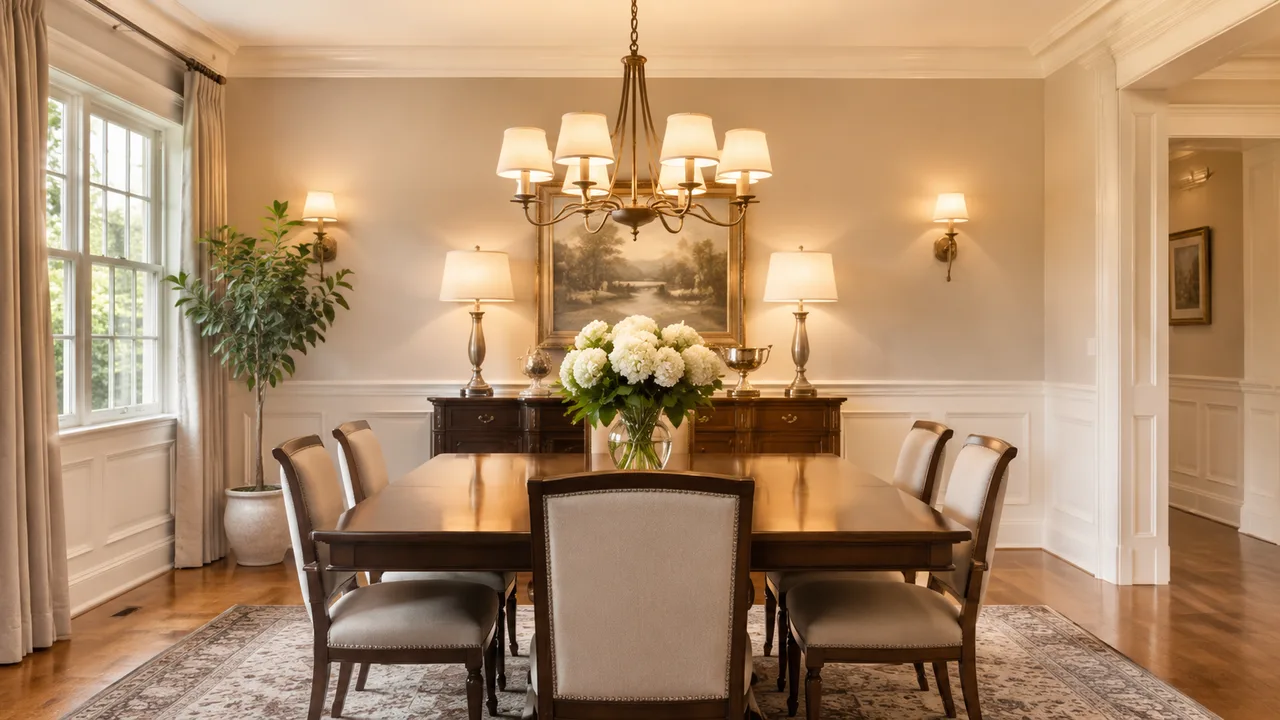
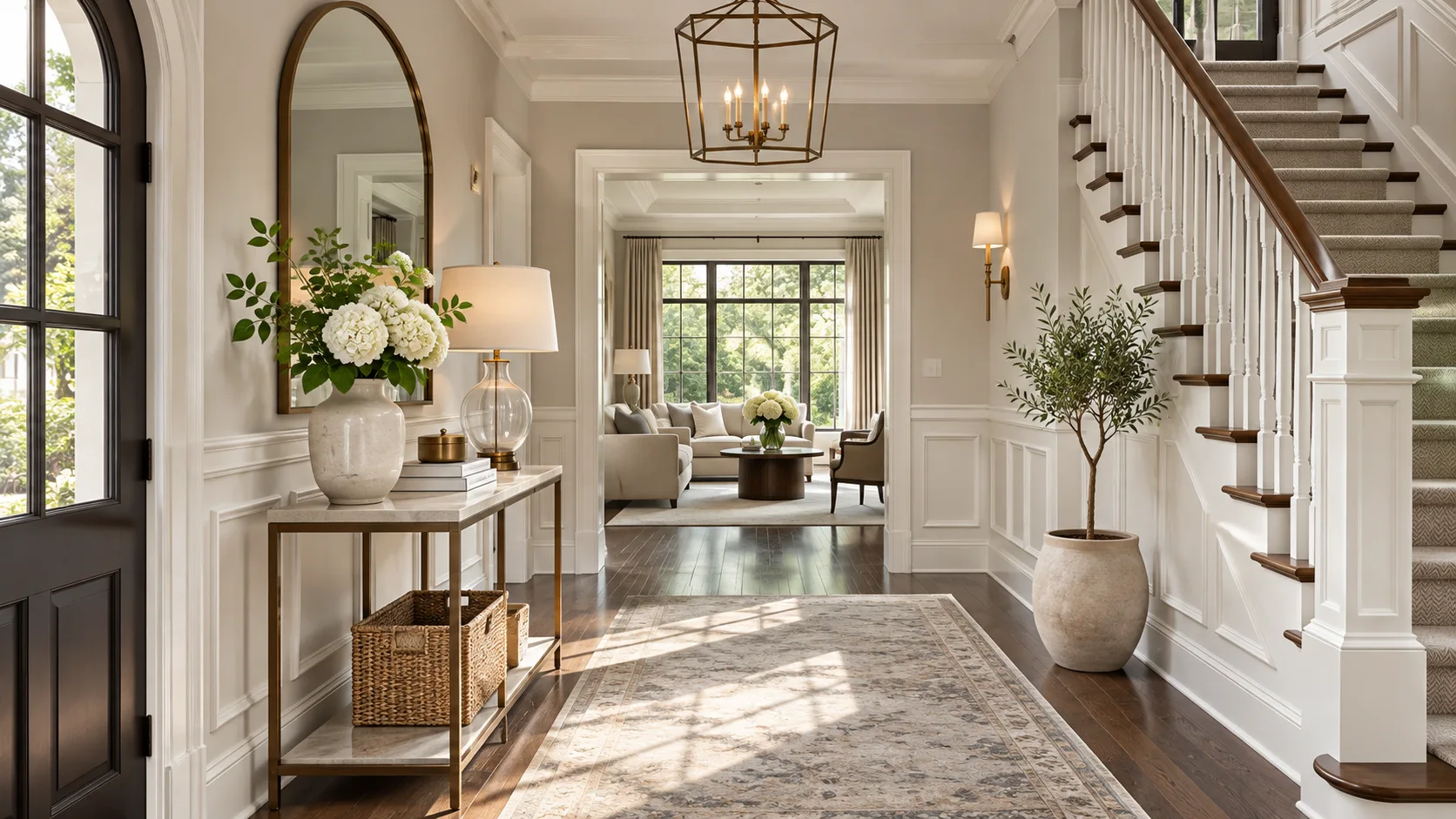
Wainscoting is a decorative treatment applied to the lower portion of a wall — typically one-third to one-half of the wall height — finished with a horizontal cap called the chair rail and a baseboard at the floor. The section below the rail is built from panels (flat, raised or beadboard), while the wall above stays painted or wallpapered.
The idea is older than most people realize. In 16th- and 17th-century Europe, wainscoting was literally salvaged oak paneling hung on walls to insulate cold stone rooms. Over centuries it evolved from a functional cladding into a refined design language. Today it is usually paint-grade and applied for two reasons: to give a room structured, intentional detail, and to shield high-traffic lower walls from damage.
Wainscoting vs Wall Paneling vs Board and Batten
These three terms get used interchangeably online, but they are different treatments with different coverage, looks and installation effort. Getting the distinction right helps you specify the correct material to designers, contractors and suppliers.
| Treatment | Coverage | Look | Best rooms | Install effort |
|---|---|---|---|---|
| Wainscoting | Lower wall (1/3–1/2 height) + chair rail | Formal, architectural, classic | Dining room, hallway, entry, powder room | Medium (multi-step, painted) |
| Wall paneling | Full wall, floor to ceiling | Maximum impact, focal-point | Living room, bedroom, study, fireplace wall | High (full coverage, more joints) |
| Board and batten | Vertical boards + battens; half or full height | Casual, farmhouse, modern rhythm | Bedroom, mudroom, kids’ room, laundry | Low–Medium (fast to run) |
In short: wainscoting dresses and protects the lower wall, wall paneling treats the entire wall as a design surface, and board and batten adds simple vertical rhythm that can run at any height.
Wainscoting Styles
Within wainscoting there are several panel profiles, each reading differently in a room:
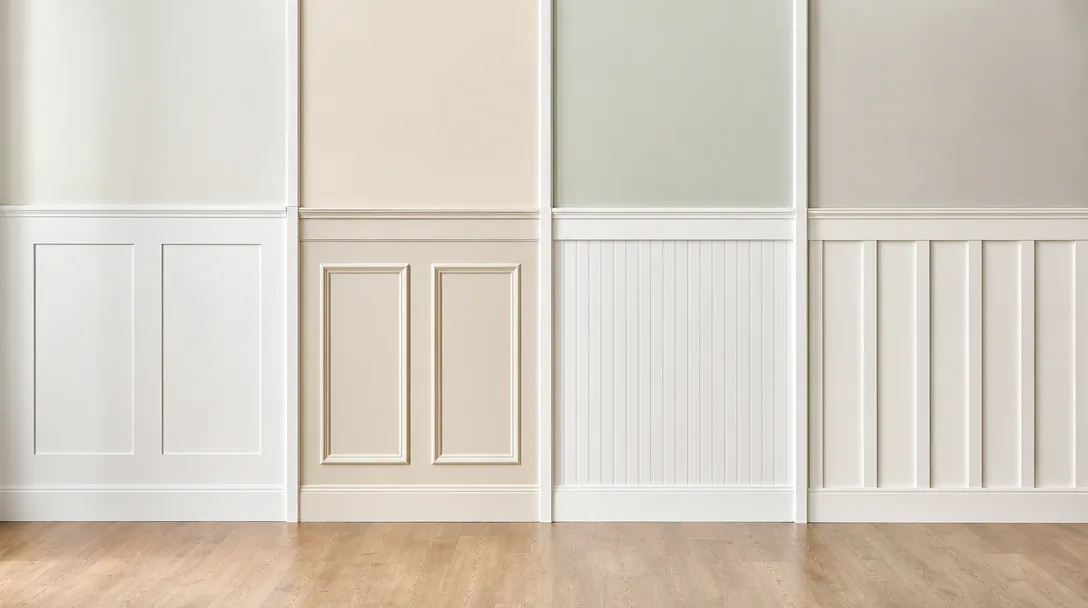
- Flat / Shaker panels — clean recessed rectangles with a simple bevel. The most versatile, suiting transitional and contemporary interiors.
- Raised panels — a molded, dimensional profile. The most formal and traditional choice, ideal for dining rooms.
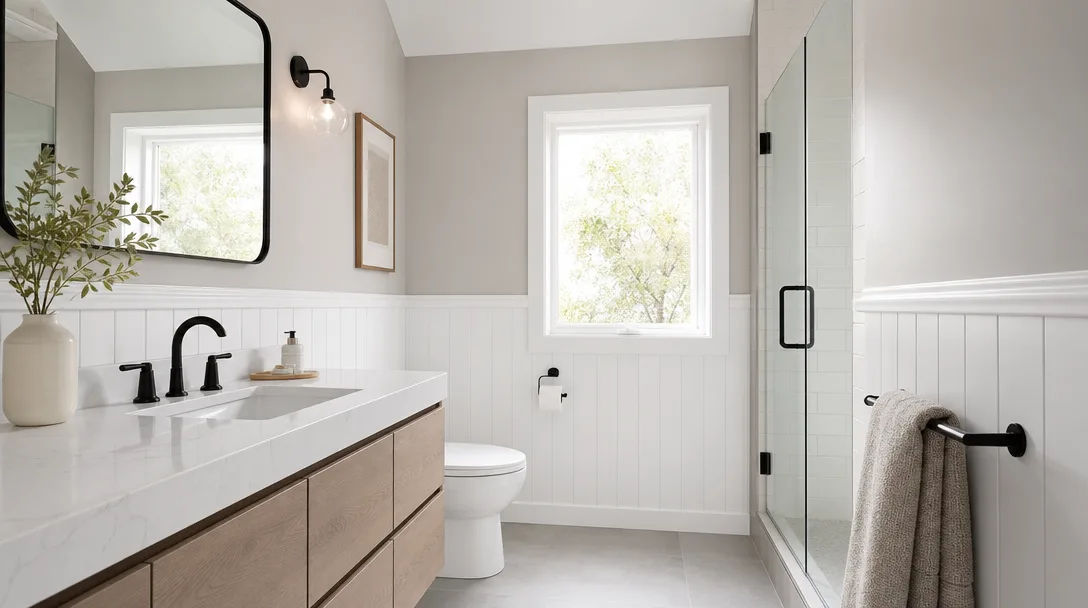
- Beadboard — narrow vertical grooves. The most casual style, at home in bathrooms, porches and cottage spaces.
- Board and batten — wide boards with narrow vertical strips (battens) covering the seams; reads relaxed and modern.
- Picture-frame / shadow-box — moulding outlines applied to the wall, with the existing wall as the infill. Painted together, it mimics panel proportions without solid panels.
Standard Wainscoting Height
The most common mistake is wainscoting that is too short — a thin band in a tall room looks like an afterthought. Use these rules of thumb:
- Rule of one-third: start near one-third of the ceiling height for the chair rail.
- 8-foot ceilings: set the chair rail at 32–36 inches.
- 9-foot ceilings: target 36–42 inches; in a formal dining room you can extend to 48 inches for more presence.
- Never exceed half the wall height, or room proportions look off.
- Align the cap with something real — a window sill, a sideboard top, or a door head — so the line feels intentional.
Wainscoting Materials
Wainscoting is only as good as the material behind the profile. The three mainstream options:
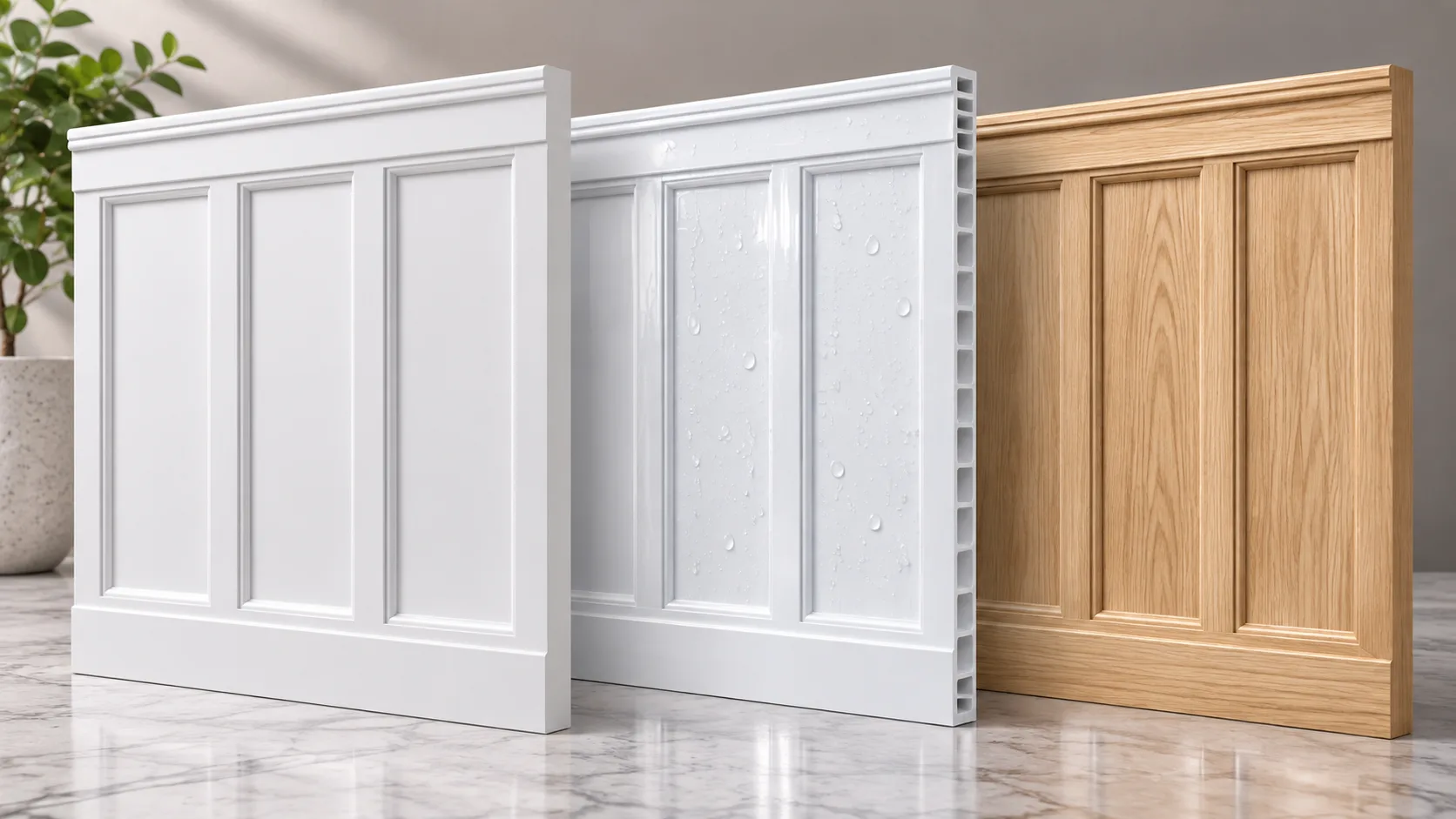
- MDF (paint-grade): stable, smooth and affordable. It stays flat and does not crack at joints, which is why it is the default for painted wainscoting.
- PVC / WPC (waterproof): moisture-resistant and washable. The right call for bathrooms, kitchens, basements and any humidity-exposed wall.
- Solid wood / veneer (stain-grade): shows real grain and reads premium, but costs more and must acclimate on site in humid climates to avoid gaps.
For a deeper dive into panel substrates — including ALC, SPC and calcium silicate boards — see our Wall Panel Materials 2026 Buyer’s Guide. If your project spans exterior or stone surfaces, our Natural Stone Wall Cladding guide covers those options.
Best Rooms for Wainscoting
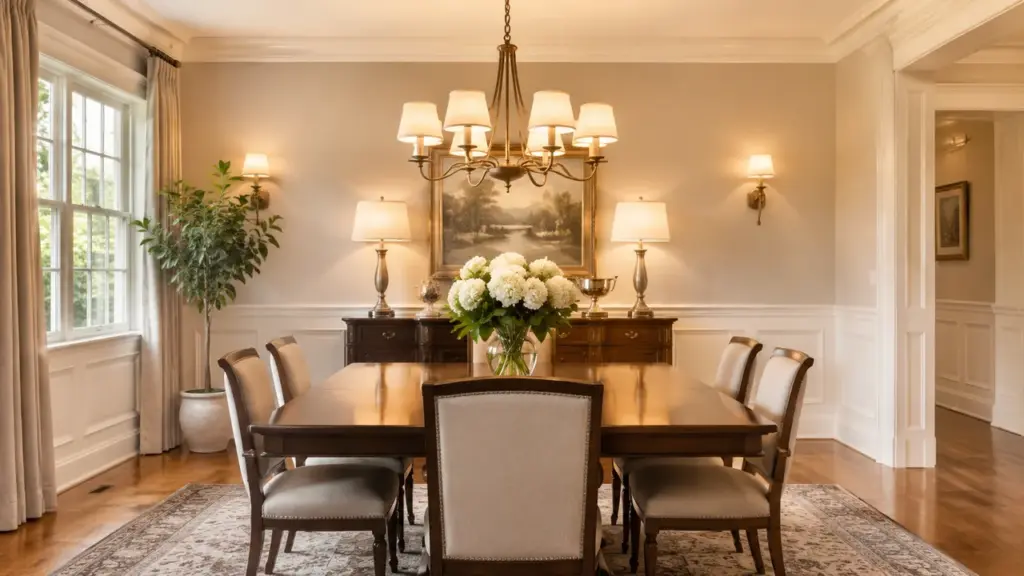
- Dining room — the classic setting; protects walls from chair backs and adds formality.
- Hallway & stair hall — high-traffic areas that benefit most from scuff protection and grounding detail.
- Entryway — sets a refined first impression.
- Powder room — a small space where wainscoting reads as custom millwork.
- Bathroom — use waterproof PVC/WPC wainscoting; it handles steam far better than MDF.
- Bedroom — board and batten adds texture without overwhelming the room.
Wainscoting Installation Overview
A proper wainscoting install is a layered, multi-day project: measure and mark, cut and fasten the panels and rails, fill nail holes, caulk seams, sand, prime and paint. Even when the carpentry moves quickly, dry time adds to the schedule. That is the trade-off for a built-in, finished result.
For a faster, renter-friendly alternative, peel-and-stick decorative panels deliver an accent wall in an afternoon — but they read as a surface finish, not architectural millwork. Choose wainscoting when you want classic detail that integrates with the home’s existing trim; choose peel-and-stick when you want high impact with less construction. For custom raised-panel or full-height work, bring in a professional.
Wainscoting Cost
Costs vary by material, room size and whether you DIY or hire a pro. As a general range:
- MDF wainscoting kits: the most economical — typically the lowest material cost per linear foot.
- PVC / WPC: moderately higher than MDF, justified in wet areas.
- Solid wood / veneer: the premium tier, with material and labor both higher.
DIY lowers labor but adds your time and tooling; professional install improves proportion and joint quality, especially for raised panels. Always measure the wall, pick the proportion, and budget for paint and trim.
Maintenance & Repair
One of wainscoting’s quiet advantages is serviceability. A washable painted finish handles everyday marks; when style fatigue sets in, a fresh coat of paint revives the whole treatment. Minor damage — a chipped edge or a cracked caulk line from seasonal movement — is patched and repainted in place, so the wall stays consistent.
Why Source Wainscoting Panels from FenSo Building
FenSo Building is a Foshan-based building-materials manufacturer supplying wainscoting and wall-panel systems to distributors, contractors and brands worldwide. Our advantages:
- Full material range — paint-grade MDF, waterproof PVC/WPC, and wood-veneer options in one supply chain.
- OEM / ODM & customization — custom panel sizes, profiles (shaker, raised, beadboard, board and batten) and finishes to match your catalog.
- Export-ready — experience shipping to North America, Europe, the Middle East and beyond, with consistent quality control.
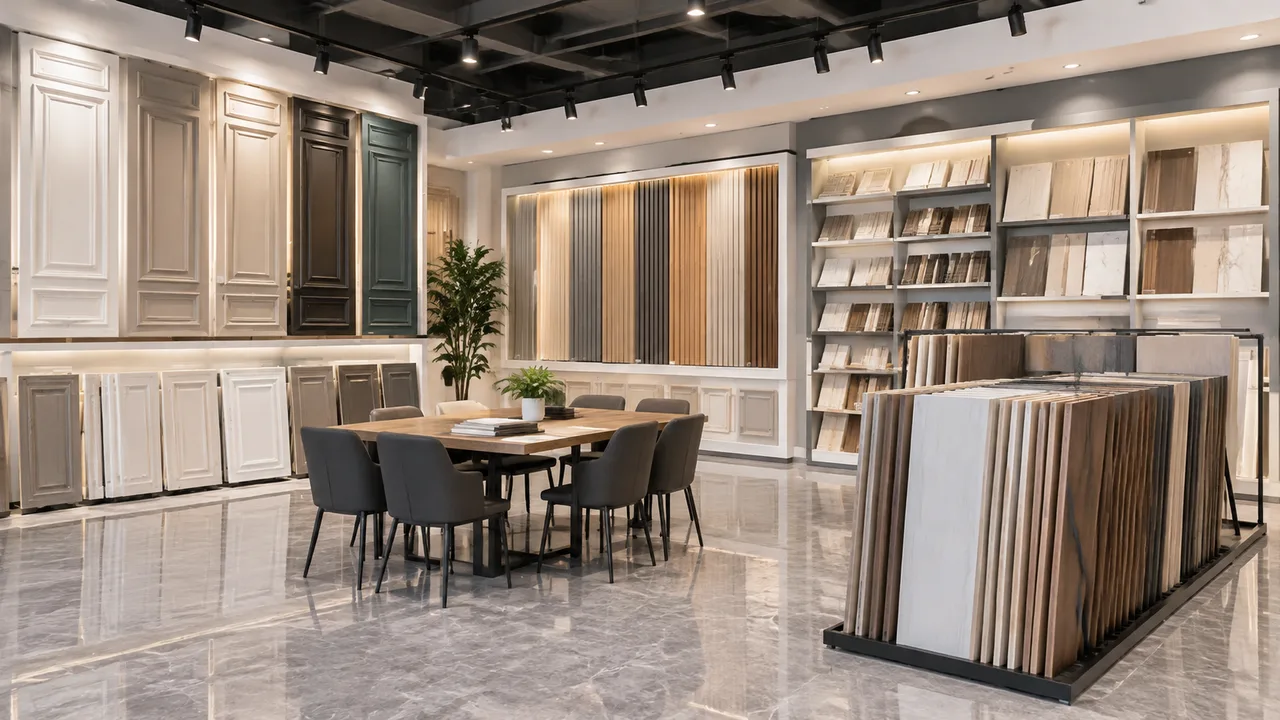
Whether you need a container of MDF wainscoting kits or a custom PVC line for humid climates, contact our team for samples and a quote.
Frequently Asked Questions
How high should wainscoting be?
A good starting point is about one-third of the wall height — roughly 32–36 inches for 8-foot ceilings and 36–42 inches for 9-foot ceilings. Keep it under half the wall height.
Is wainscoting out of style in 2026?
No. Paneled walls are part of a broader return to warmer, more traditional interiors. Well-proportioned wainscoting has been used for centuries and does not date like trendy accent walls.
Can you use wainscoting in a bathroom?
Yes — specify waterproof PVC or WPC wainscoting and a durable enamel finish. Avoid standard MDF in steam-prone areas.
Wainscoting vs wall paneling: which is cheaper?
Wainscoting usually uses less material (lower wall only), so it is often the lower-cost option; full wall paneling covers more area and costs more in both material and labor.
MDF vs wood wainscoting?
MDF is stable, smooth and affordable for painted finishes; solid wood or veneer shows grain and reads premium but costs more and needs climate acclimatization.
Wainscoting remains one of the highest-return ways to add architectural character and protect walls at the same time. Choose the profile for your room, the height for your ceiling, and the material for your conditions — and the result will look original rather than added-on.
 English
 German
 Chinese
 Arabic
 French
 Spanish
 Turkish
 Russian
 Italian