
Specifying wood flooring for a project usually comes down to one fork in the road: solid vs engineered hardwood flooring. Both use real hardwood on the surface, but they behave very differently once they meet moisture, heat and a shipping container. This guide compares construction, performance, cost and best-use rooms so you can put the right product on the purchase order.
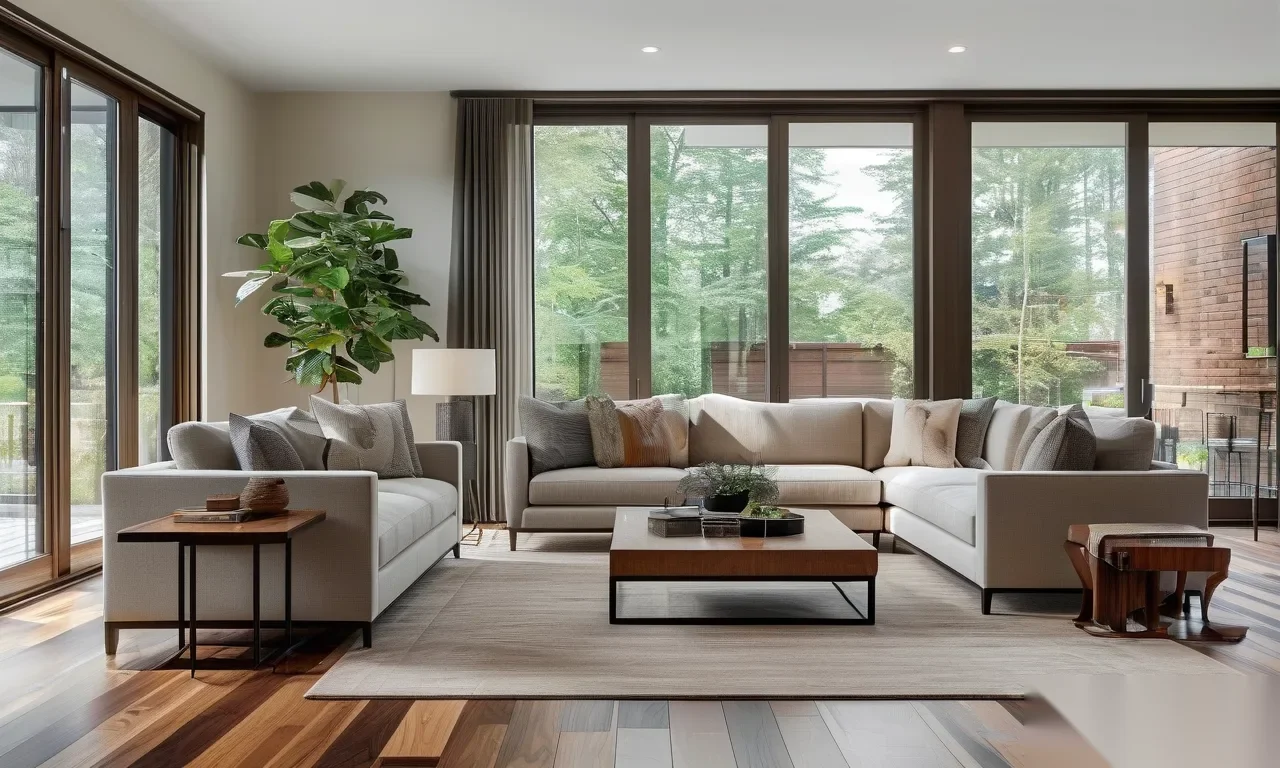
What is solid hardwood flooring?
Solid hardwood flooring is milled from a single piece of timber — typically oak, walnut, maple or hickory — with the same species from top to bottom. It is traditionally 18-22mm thick and installed by nail-down or glue-down over a wood subfloor.
Its biggest advantage is longevity: because the entire thickness is refinishable wood, a solid floor can be sanded and refinished 4-6 times, easily outlasting the building’s first owner. It also reads as the most “authentic” wood floor in premium residential specs.
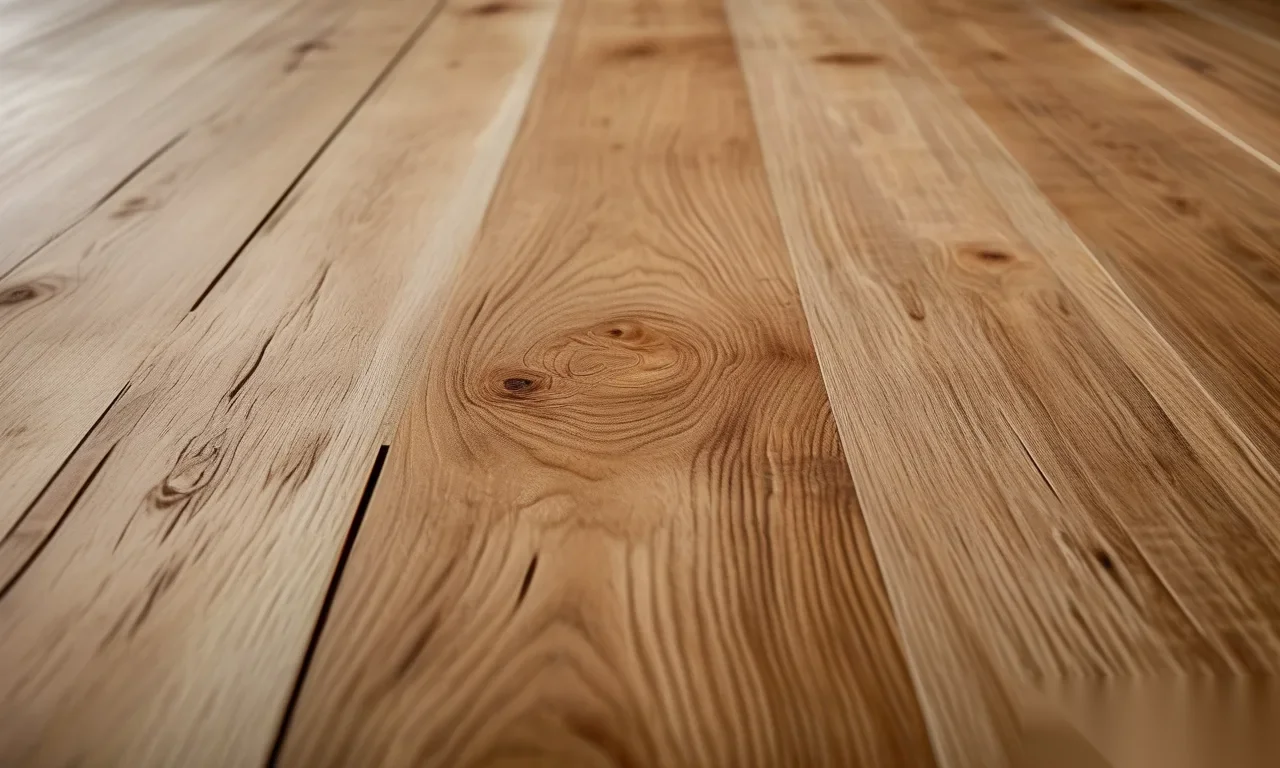
What is engineered hardwood flooring?
Engineered hardwood flooring pairs a real hardwood veneer (usually 2-6mm) with a cross-layered plywood or HDF core. The top is genuine wood you see and walk on; the layers below are engineered for stability.
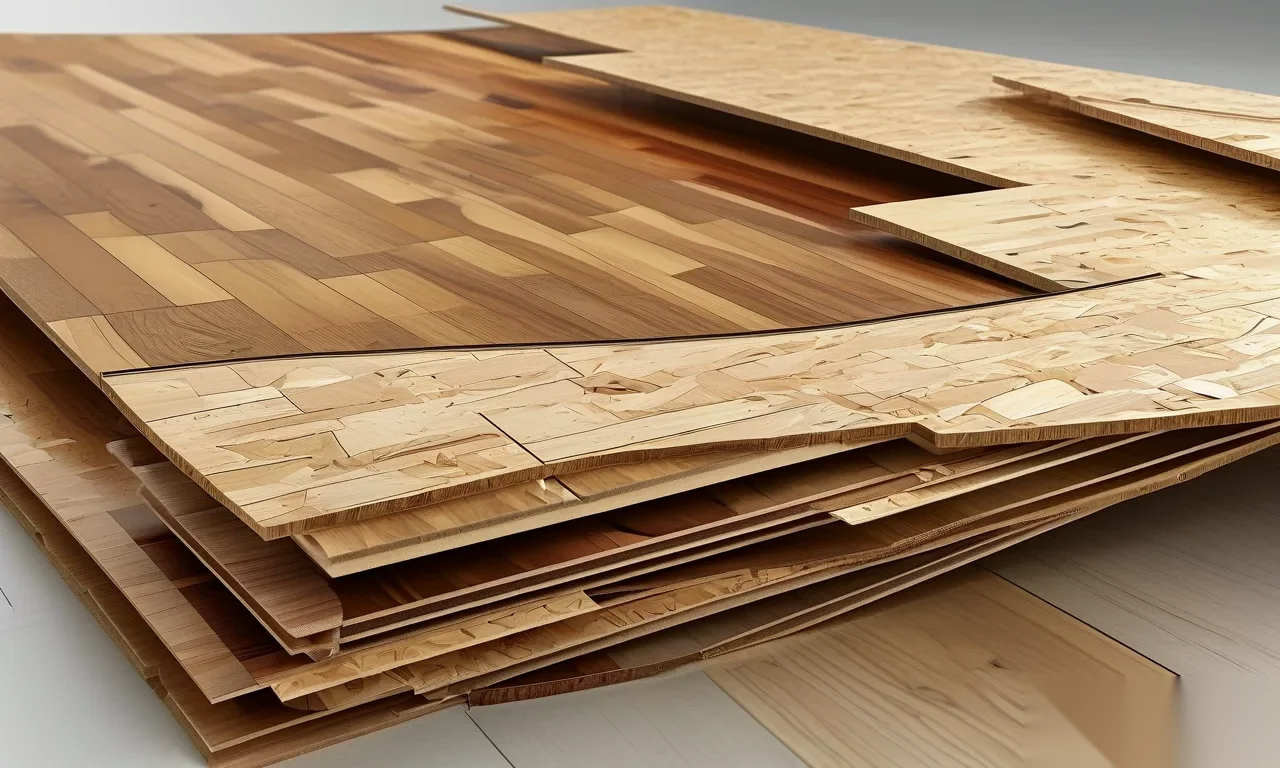
That cross-laid core is the whole point. By alternating grain direction, the plank resists the swelling and shrinking that makes solid wood cup or gap. Engineered floors handle radiant heat, concrete slabs and basements that solid floors simply cannot.
Solid vs engineered hardwood: head-to-head
| Factor | Solid hardwood | Engineered hardwood |
|---|---|---|
| Construction | One solid wood piece | Wood veneer + plywood/HDF core |
| Water / humidity resistance | Low — cups in damp areas | High — stable over slabs & basements |
| Radiant heat | Not recommended | Recommended |
| Refinishing | 4-6 times | 0-2 times (veneer dependent) |
| Install location | Above grade, dry | Any grade, incl. below |
| Plank width | Wider = more movement | Wider planks stay stable |
| Typical lifespan | 50+ years | 20-40 years |
| B2B landed cost | Moderate, rejects higher in humid markets | Often lower total with fewer rejects |
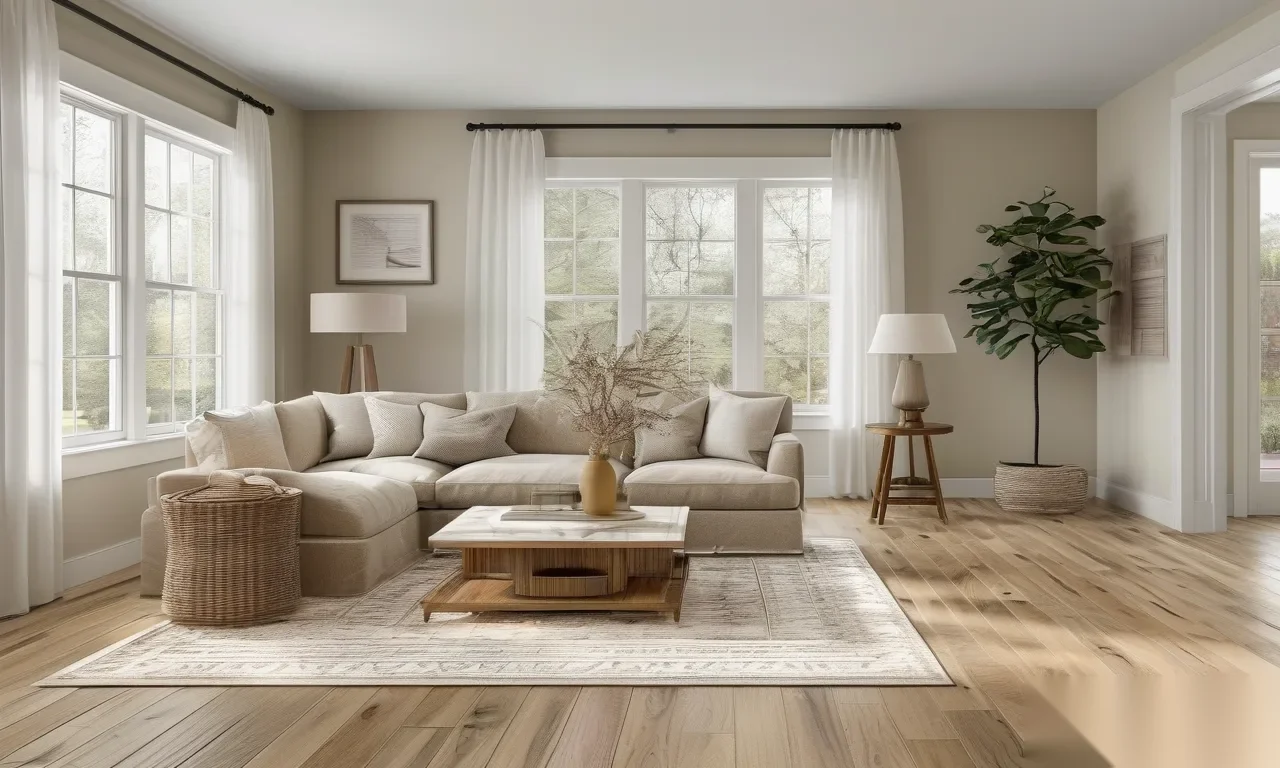
When to choose solid hardwood
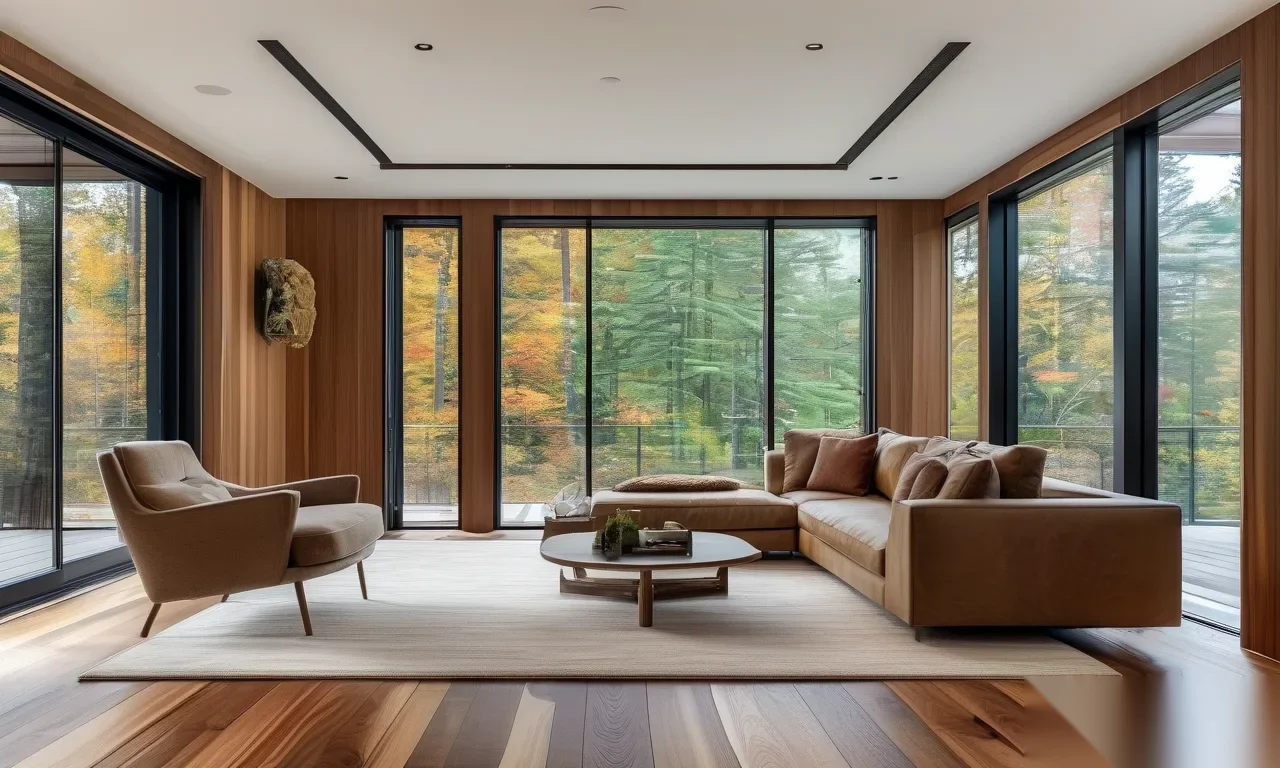
Pick solid wood floors for above-grade, climate-controlled spaces where the brief values heritage and refinishability — heritage homes, executive residences and show homes. The ability to sand back to bare wood decades later is a genuine asset.
When to choose engineered hardwood
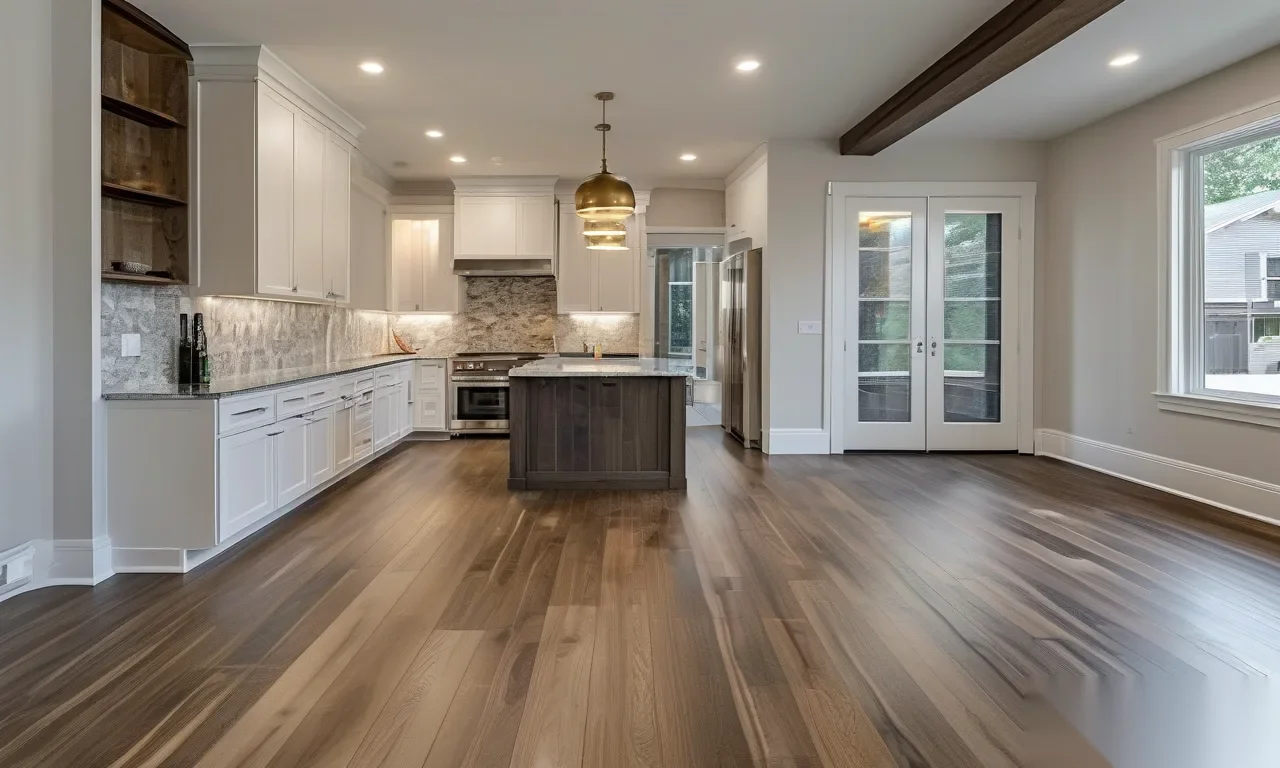
Pick engineered wood floor for anything close to moisture or heat: basements, kitchens, bathrooms (with care), radiant systems and ground-level concrete. For exporters, engineered is also the safer container product — it tolerates the humidity swings of a sea voyage far better than solid.
Installation and subfloor
Solid needs a wood subfloor and nail-down or full-glue; it demands acclimation and a dry environment. Engineered supports glue-down, floating click-lock and nail-down, which gives contractors flexibility on tight schedules.
Cost and B2B specification
Entry engineered is often cheaper per square metre; thick-veneer premium engineered can exceed solid. The smarter comparison is landed cost: engineered’s wider installation tolerance and lower reject rate frequently win on total project price. On a PO, specify veneer thickness, core type, finish (UV lacquer vs oil), plank width, moisture content and locking profile — these define performance more than the label alone.
Durability and maintenance
Both need the same everyday care: mat entryways, control humidity at 35-55%, and clean with a wood-safe cleaner. Solid wins on repair depth; engineered wins on day-one stability. Neither likes standing water.
Sustainability and sourcing
Look for FSC/PEFC chain-of-custody, and prefer suppliers that finish with low-VOC UV-cured lacquers. A responsible Foshan building-materials manufacturer will provide both documentation and consistent batch colour.
Choosing by room
- Living room (dry, above grade): solid or engineered — your call on budget.
- Kitchen / basement / radiant: engineered, every time.
- Heritage / resale premium: solid for the refinish story.
Frequently asked questions
Conclusion
There is no universal winner in solid vs engineered hardwood flooring — only the right match for the room, climate and budget. Solid leads on longevity and refinish value; engineered leads on stability, moisture and install flexibility. Specify to the site, and back it with documented quality from a supplier you trust.
 English
 German
 Chinese
 Arabic
 French
 Spanish
 Turkish
 Russian
 Italian