








A well-chosen shower faucet set can change the way a bathroom looks, feels, and functions every day. The right set brings together the valve, trim, shower head, handle style, and finish so your shower feels intentional rather than pieced together. Whether you are updating a sleek primary bath, restoring a traditional space, or planning a tub-shower combo, the goal is to choose fixtures that match your plumbing, your design style, and your comfort needs.
What should a shower faucet set include?
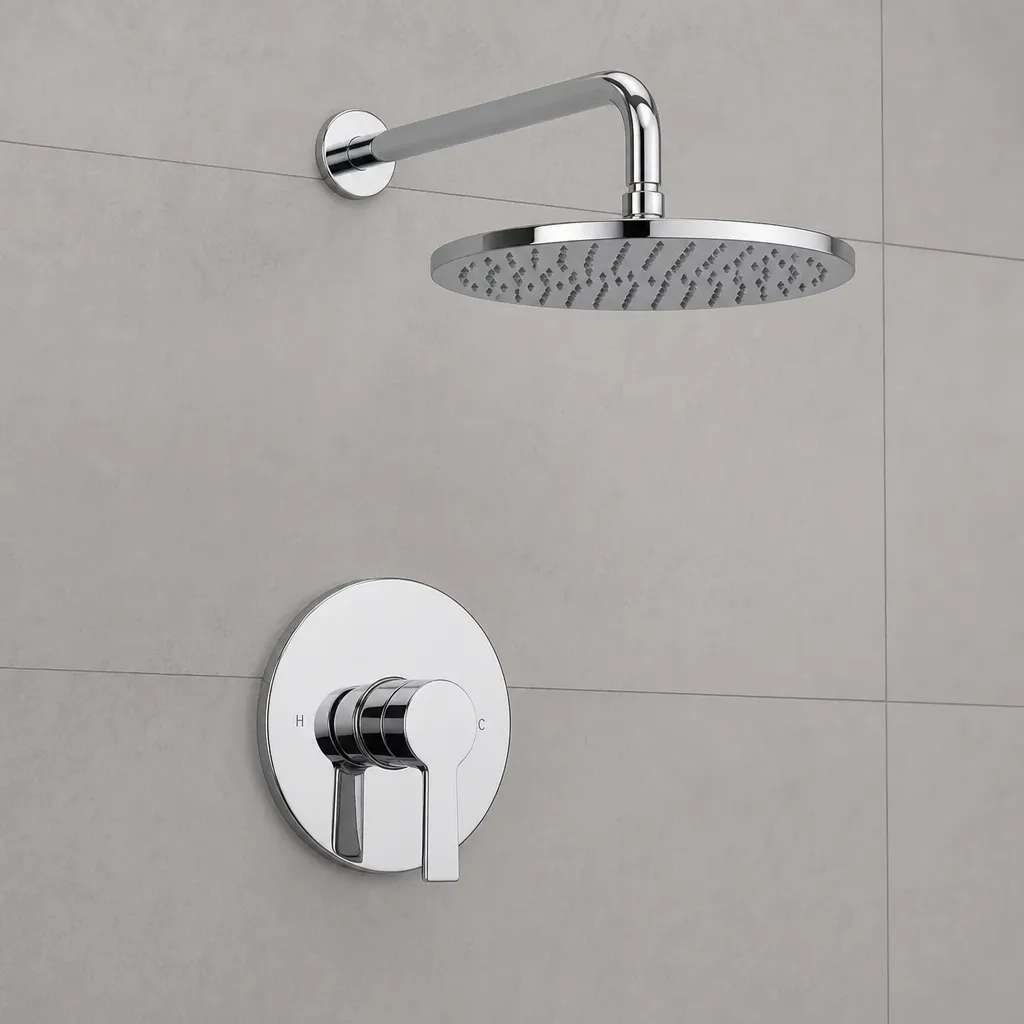
A complete shower faucet set typically includes the visible trim, handle or controls, shower head, shower arm, and the valve components that regulate water flow and temperature. Some sets also include a tub spout, handheld sprayer, diverter, or matching accessories, depending on whether the setup is for a walk-in shower, alcove shower, or tub-shower combination.
The most important thing to understand is that the attractive exterior pieces are only part of the system. The valve behind the wall determines how the shower operates, how temperature is controlled, and whether the trim you like will actually work with your plumbing. That is why a beautiful showerhead combo may still be the wrong choice if the valve type, connection size, or configuration does not match your project.
A typical shower faucet kit may include:
- Shower valve set: The behind-the-wall component that controls water flow and temperature.
- Handle or trim plate: The visible control area that gives the shower its design character.
- Shower head: The fixed spray outlet, available in rain, standard, high-pressure, or multi-function styles.
- Shower arm and flange: The pipe and cover plate that connect the shower head to the wall.
- Tub spout: Included when the set is designed for a tub-shower combo.
- Diverter: Used to switch water between outlets, such as a fixed shower head and handheld sprayer.
- Hand shower: A flexible option that adds convenience for rinsing, cleaning, bathing children, or washing pets.
The valve choice matters more than most people expect
The valve is the working heart of the shower system. It sits behind the wall, so it is easy to overlook during design planning, but it has a major impact on comfort, safety, and future maintenance. If you only choose based on the finish or shape of the trim, you may miss the practical differences that affect everyday use.
A shower valve set should be selected early, especially during a remodel where walls may be open. Replacing trim is usually easier than changing the valve, so it pays to get this part right before tile, wall panels, or waterproofing are finished. If you are working with a contractor, ask which valves are compatible with the selected trim and whether future replacement parts are likely to be easy to source.
Pressure-balanced valves suit many everyday bathrooms
A pressure-balanced valve helps reduce sudden temperature swings when water pressure changes elsewhere in the home. For example, if someone flushes a toilet or starts a washing machine, the valve responds to the pressure shift and helps keep the shower from turning unexpectedly hot or cold.
Many common shower setups use a single handle that controls both temperature and volume together. This style is familiar, straightforward, and often practical for family bathrooms, guest baths, and budget-conscious updates. It may not offer the same level of separate control as a thermostatic system, but it is a reliable choice for many standard renovations.
Thermostatic valves offer more precise comfort
A thermostatic valve is designed to maintain a consistent water temperature. In many configurations, it separates temperature control from volume control, which means you can set the warmth you prefer and adjust water flow independently. This can feel more refined, especially in a larger shower with multiple outlets.
Thermostatic systems are often appealing for primary bathrooms, luxury remodels, and households that prioritize comfort and safety. They can also be useful when the shower system includes a rain head, handheld sprayer, or body sprays, because more complex setups benefit from clearer control. The tradeoff is that thermostatic systems may require more planning, compatible components, and a higher fixture budget.
How do thermostatic and pressure-balanced systems differ?
Thermostatic valves focus on maintaining a set temperature, while pressure-balanced valves respond to pressure changes to help prevent sudden temperature shifts. In simple terms, pressure-balanced controls are practical and common, while thermostatic controls give you more precise temperature management and often a more premium shower experience.
Here is a practical way to compare them without getting lost in technical details:
- Choose pressure-balanced if:
- You want a dependable standard shower control.
- You prefer a simpler single-handle setup.
- You are updating a guest bath, kids’ bath, or rental-style space.
- Your budget prioritizes good function over advanced control.
- Choose thermostatic if:
- You want more consistent temperature control.
- You like the idea of separate temperature and volume settings.
- You are building a spa-inspired or high-end primary shower.
- Your setup includes multiple outlets or a more elaborate showerhead combo.
Neither option is automatically “best” for every bathroom. The better choice depends on your expectations, plumbing layout, fixture plan, and how much control you want from the shower each day.
Materials and finishes shape both durability and style
A bathroom fixture has to look good, but it also has to survive moisture, daily handling, cleaning products, and mineral exposure. Solid brass and stainless steel are commonly valued because they resist corrosion and provide a sturdy feel. When comparing modern shower fixtures, pay attention not only to the finish color, but also to the underlying construction and the availability of compatible parts.
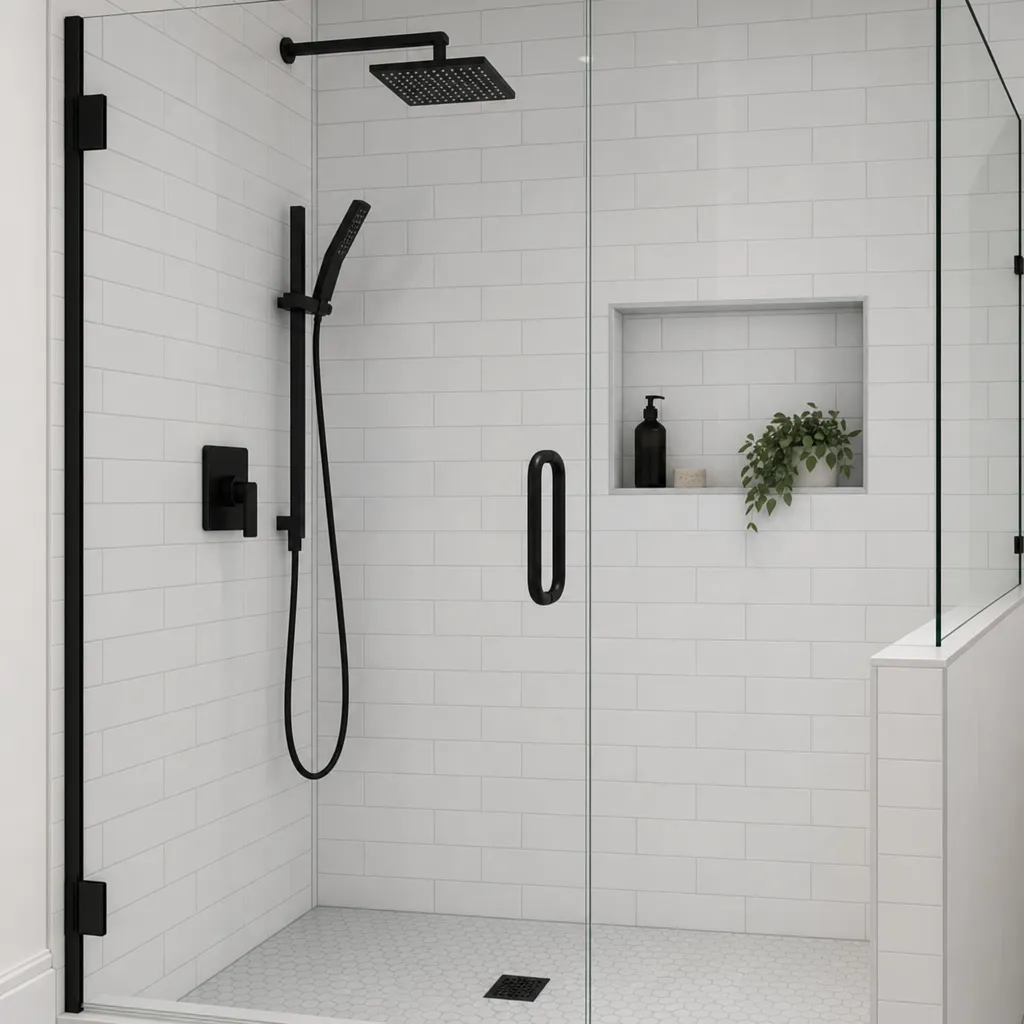
Finish choice should support the room’s overall design. Chrome remains popular because it is bright, versatile, and easy to coordinate with many sink faucets and accessories. Matte black creates strong contrast and works well in minimalist, industrial, or contemporary bathrooms. Brushed nickel and stainless finishes tend to feel softer and are often chosen for transitional spaces.
A vintage shower faucet set usually leans into warmer or more decorative finishes. Polished brass can bring a classic, refined look, while oil-rubbed bronze adds depth and an aged character. Chrome can also work in vintage bathrooms, especially when paired with cross handles, exposed shower pipes, subway tile, or traditional porcelain details.
Brands shoppers often encounter in quality-focused fixture searches include Randolph Morris, Newport Brass, Cheviot, A&E Bath & Shower, Dawn Kitchen & Bath, Huntington Brass, and Kingston Brass. Instead of choosing by brand name alone, compare the valve compatibility, material, finish options, warranty terms, replacement part access, and whether the style fits the rest of your bathroom.
Matching your faucet set to a modern bathroom design
Modern bathrooms tend to favor clean shapes, balanced proportions, and finishes that feel deliberate. A simple round or square trim plate, a streamlined handle, and a rain-style shower head can instantly make the space feel more polished. If your tile, vanity, and lighting are already bold, a quieter faucet design may keep the room from feeling busy.
For a sleek bathroom, consider a bathroom faucet set and shower trim in the same finish family. They do not have to be from the exact same collection, but they should speak the same design language. For instance, a squared-off sink faucet usually pairs better with angular shower trim than with ornate cross handles.
Use these coordination tips when selecting modern shower fixtures:
- Repeat the finish at least twice: Match the shower trim to the sink faucet, towel bars, mirror frame, or cabinet hardware.
- Balance contrast carefully: Matte black fixtures stand out beautifully against light tile, but too many black accents can feel heavy in a small room.
- Watch the undertones: Brushed nickel, stainless steel, polished chrome, brass, and bronze each reflect light differently.
- Match handle style to the room: Lever handles feel simple and modern, while cross handles read more traditional or vintage.
- Think about scale: A large rain head can overwhelm a compact shower, while a tiny fixture may look underwhelming in a spacious enclosure.
Which shower faucet style fits a vintage bathroom?
A vintage bathroom usually looks best with a faucet set that feels intentional rather than artificially old-fashioned. The right vintage shower faucet set may include cross handles, exposed pipe details, porcelain accents, polished brass, oil-rubbed bronze, or chrome with traditional silhouettes.
The key is to match the fixture to the era or mood of the room. A clawfoot tub with a shower riser calls for a very different faucet than a 1920s-inspired tiled alcove shower. If the bathroom has pedestal sinks, hex floor tile, beadboard, or subway tile, a traditional trim design can reinforce the character without making the space feel dated.
Vintage styling does not mean sacrificing performance. You can still look for durable construction, a reliable valve, and a shower head that suits your preferred spray pattern. The best results usually come from blending old-world visual details with modern internal function.
Installation basics before you buy
İyi faucet installation starts before anyone opens the wall. The fixture must match your plumbing layout, water outlet plan, wall depth, and local code requirements. If those basics are ignored, even a high-quality faucet can become frustrating or expensive to install.
Before purchasing, confirm whether you are replacing trim only or changing the valve behind the wall. Trim-only updates are usually more limited because the new trim must be compatible with the existing valve. Full remodels offer more flexibility, but they also require more planning because the valve position, waterproofing, tile layout, and access all matter.
Use this pre-purchase checklist:
- Identify the shower type. Decide whether you need a shower-only set, tub-shower combo, hand shower, or multi-outlet system.
- Check the existing valve. If you are not opening the wall, find out which trim is compatible with what is already installed.
- Confirm rough-in requirements. Make sure the valve depth works with your wall assembly and finished surface.
- Plan outlet locations. A rain head, handheld sprayer, tub spout, and body sprays all need appropriate placement.
- Coordinate with tile layout. Handles and trim should not land awkwardly on grout lines, niches, or decorative borders.
- Ask about service access. Future cartridge replacement is easier when parts are standard and accessible.
- Use professional help when needed. A licensed plumber is often the safest choice for valve replacement, concealed plumbing, or complex systems.
A DIY-friendly update may be realistic when you are replacing a compatible shower head or trim. However, changing the actual valve, moving plumbing, or adding outlets is more involved. Mistakes behind the wall can affect leaks, water pressure, temperature control, and finished surfaces, so this is one area where caution pays off.
Budgeting around features instead of looks alone
Shower faucet pricing can vary widely because you are paying for more than the exterior finish. Valve type, material, brand, finish process, included components, and system complexity all influence the final cost. A basic shower-only kit with a pressure-balanced valve will usually sit in a different budget category than a thermostatic system with a rain head and hand shower.
Rather than shopping by appearance alone, think in feature levels:
- Simple refresh: Replace a compatible shower head, arm, or trim for a cleaner look without changing plumbing.
- Standard remodel: Install a new shower faucet kit with valve, trim, and shower head during a wall or tile update.
- Comfort upgrade: Add a hand shower, better spray options, or a more comfortable control layout.
- Premium system: Choose thermostatic controls, multiple outlets, upgraded materials, and a coordinated fixture collection.
Durability also belongs in the budget conversation. A cheaper fixture that is difficult to service or made with lower-quality internal parts may not feel like a bargain over time. On the other hand, the most expensive option is not always necessary if a simpler set fits your bathroom, plumbing, and daily routine.
A practical way to choose the right set
The best shower faucet set is the one that fits the room, works with the plumbing, and feels good to use every day. Start with function, narrow by compatibility, then choose the style and finish that complete the design.
A simple decision process can help:
- Define the project. Are you replacing visible trim, remodeling the shower, or building a new bathroom?
- Choose the control type. Decide between pressure-balanced and thermostatic based on comfort needs and budget.
- Select the configuration. Pick shower-only, tub-shower, fixed head with handheld, or a more complete shower system.
- Confirm the components. Make sure the kit includes the valve, trim, shower arm, head, spout, or diverter you need.
- Evaluate materials. Prioritize solid brass, stainless steel, or other durable construction where possible.
- Choose the finish. Coordinate with your sink faucet, cabinet hardware, lighting, and bathroom accessories.
- Plan installation. Confirm rough-in details before ordering, especially if tile work is already scheduled.
This approach prevents the most common mistake: falling in love with a fixture before knowing whether it fits the job. Style matters, but compatibility and control type are what make the shower work properly after the remodel is finished.
Final takeaways for a better shower upgrade
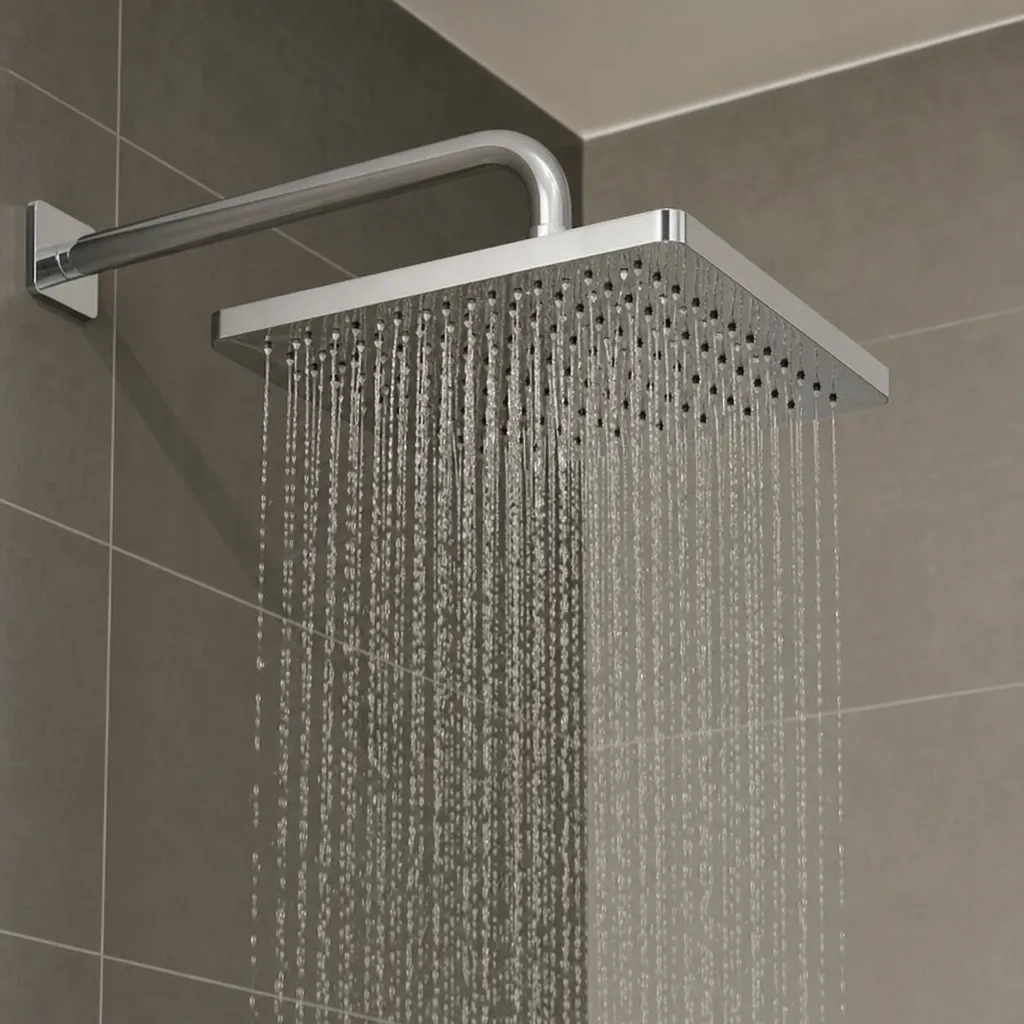
A great shower upgrade is not just about choosing a beautiful finish. It is about building a balanced system where the valve, trim, shower head, material, and installation plan all work together. Once those pieces align, the bathroom feels more comfortable, more cohesive, and easier to enjoy every day.
For most homeowners, the smartest path is to decide first how the shower should function, then choose the look. A pressure-balanced shower valve set may be ideal for a straightforward bathroom update, while a thermostatic setup may be worth considering for a more customized primary bath. From there, the right finish, handle style, and fixture collection can bring the entire room together, whether your taste leans sleek and modern or warm and vintage.