
The fastest way to change how a room feels is the tone of its hardwood flooring. Warm wood floors make a space inviting and grounded; cool flooring reads calm and contemporary. This guide compares warm hardwood floors against cool-toned options – by species, finish and room – so you can specify the right wood floor tone for 2026 projects without second-guessing the sample.
Warm vs cool: what actually changes
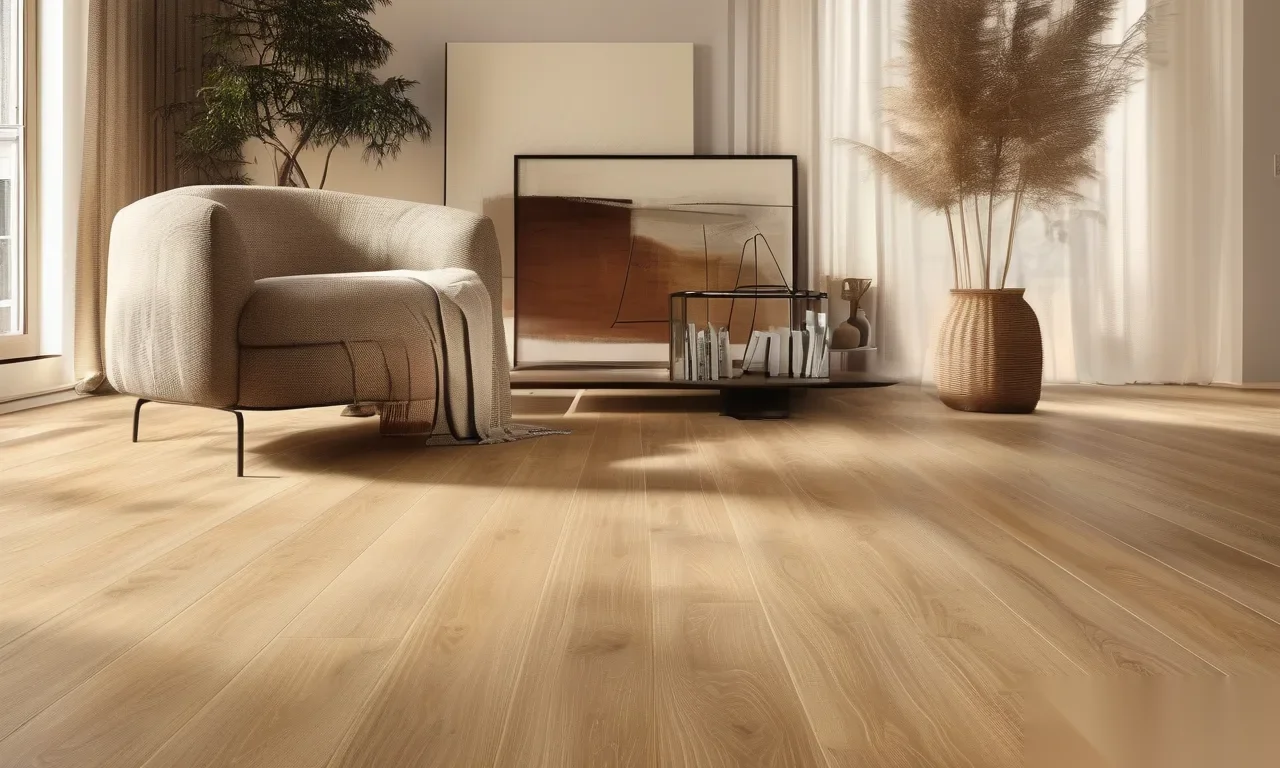
Wood tone is set by two things: the species’ natural colour and the finish/stain on top. Oak, walnut, cherry and hickory sit warm; ash, maple and bleached woods sit cool. A “warm wood floor” leans golden, honey or chocolate; a “cool flooring” leans grey, taupe or near-white. The undertone – not just lightness – is what the eye reads first.
Warm hardwood floors: species and feel

Warm wood floors start with warm species. Honey and natural oak are the everyday warm workhorse; walnut brings deep chocolate warmth; hickory adds rustic golden variation; cherry reddens as it ages. Warm floors pair with cream walls, brass, terracotta and earthy textiles for a cozy, traditional or Scandinavian-hybrid look.
Cool flooring: species and feel
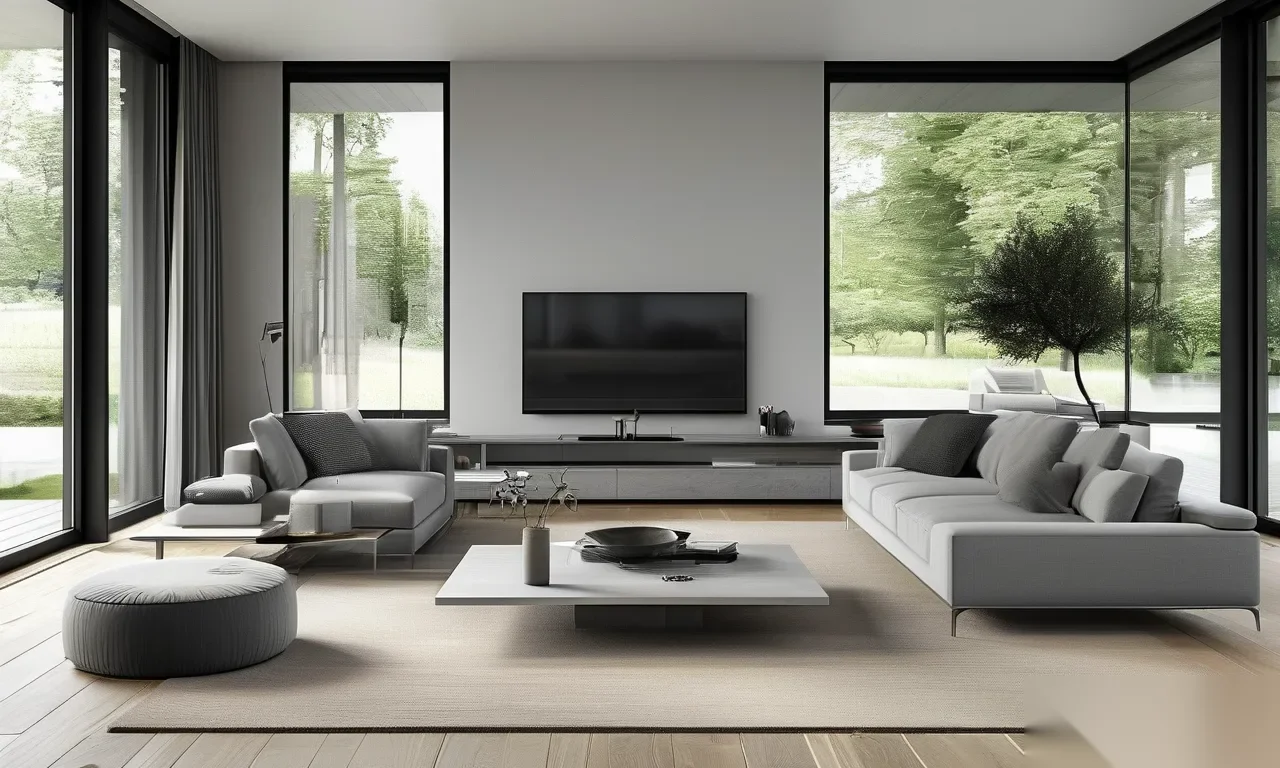
Cool flooring comes from pale ash, maple and birch, or from grey-washed and bleached finishes on oak. Cool tones read modern, airy and gallery-like, and they make a room feel larger. They pair with white walls, black metal, concrete and minimalist interiors – the default for contemporary and coastal builds.
Hardwood flooring tone comparison
| Species | Tone | Hardness (Janka) | Best for |
|---|---|---|---|
| Red / White Oak | Warm (honey) | 1290 / 1360 | Most rooms, versatile |
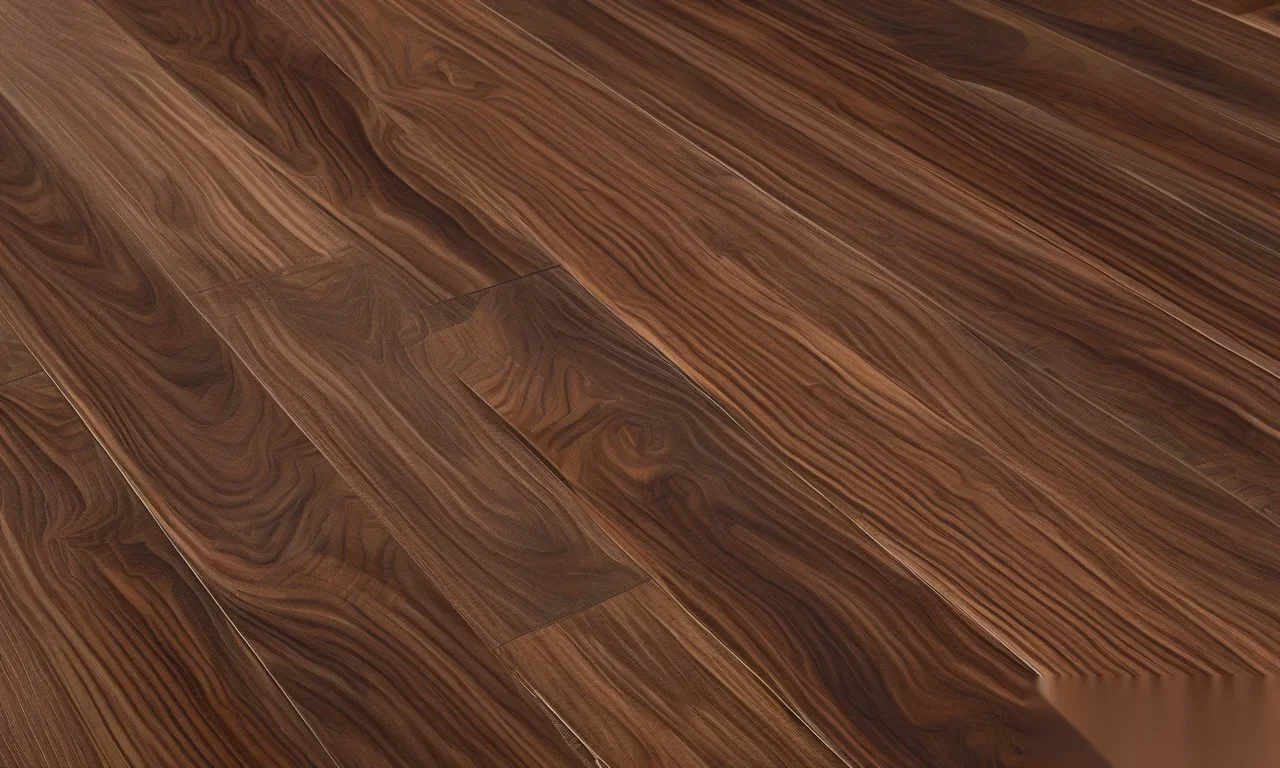
| Walnut | Warm (chocolate) | 1010 | Premium, low-traffic luxury |
| Hickory | Warm (golden, varied) | 1820 | Rustic, high-durability |
| Ash | Cool (pale grey) | 1320 | Modern, airy interiors |
| Maple | Cool (near-white) | 1450 | Contemporary, clean |
| Bleached Oak | Cool (grey-washed) | 1290 | Coastal, minimalist |
Finish and stain decide the tone
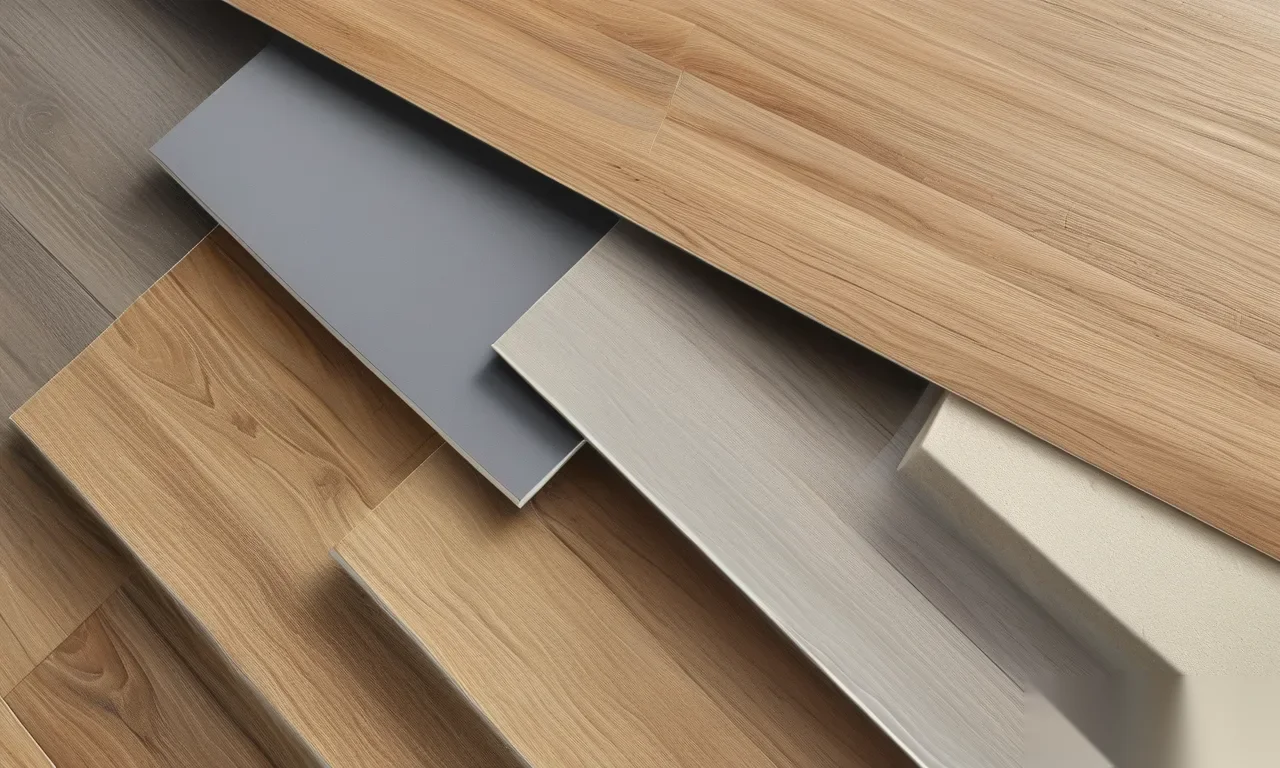
The same wood floor can go warm or cool with finish. Natural-oil and honey stains keep oak warm; grey and whitewashed stains push it cool. Matte and satin sheens feel organic and modern; high-gloss reads formal and warm-traditional. Pick the stain after the cabinets and walls are chosen, so the floor’s undertone harmonises rather than fights them.
Choosing tone by room
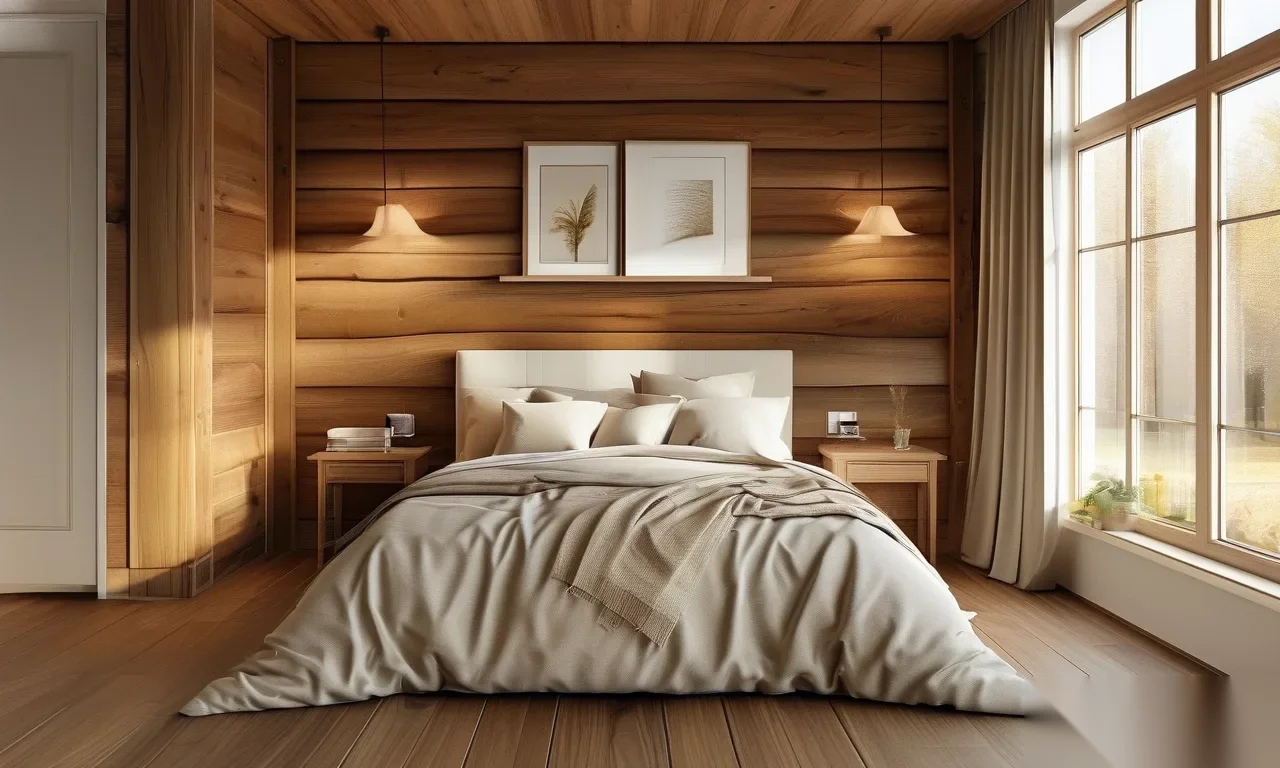
A bedroom is the clearest case for warm wood floors: walnut or honey oak underfoot softens the room and adds comfort without competing with the decor.
- Living room: warm oak or walnut for cozy gathering spaces; cool ash for a clean, open feel.
- Bedroom: warm wood floors (walnut, honey oak) soften the room and add comfort.
- Kitchen: durable warm hickory or cool maple – both handle traffic; match the cabinet finish.
- Small / dark rooms: cool pale flooring visually enlarges and brightens.
Warm wood floors vs cool: quick decision
Choose warm hardwood floors when you want intimacy, tradition or to offset cool stone and tile. Choose cool flooring when you want modern calm, to enlarge a space, or to sit behind bold colour. Mixed-material homes often use warm wood in living/bedrooms and cool stone or tile in wet areas – see our Flooring Buying Guide for the full material map.
Durability and maintenance
Tone does not change hardness, but finish does affect care. Matte and wire-brushed floors hide scratches better than gloss; darker warm floors show dust more than pale cool ones. All hardwood wants pH-neutral cleaner, felt pads and humidity control (30-50%). Refinish every 7-10 years depending on traffic.
B2B specification from a Foshan manufacturer
The Foshan flooring cluster supplies solid and engineered hardwood, including oak, walnut, ash and hickory, in warm and cool stains with matching trims and stairs. As a Foshan-based manufacturer, FenSo Building provides wood floor samples, CAD layouts and export packaging for project-scale orders. Review our Flooring & Marble Solution for the full range.
Frequently asked questions
What is the difference between warm and cool hardwood flooring?
Warm hardwood flooring has golden, honey or chocolate undertones (oak, walnut, hickory); cool flooring has grey, taupe or near-white undertones (ash, maple, bleached oak). The undertone, not just lightness, sets the mood.
Are warm wood floors outdated?
No. Warm wood floors are a timeless choice for cozy, traditional and Scandinavian interiors; grey-washed cool tones are simply the contemporary alternative. Both remain in demand.
Which hardwood flooring is cool toned?
Cool-toned hardwood includes pale ash, maple, birch and grey-washed or bleached oak. They read modern and make rooms feel larger and brighter.
What wood floor goes with grey walls?
Warm honey oak softens grey walls for balance; cool ash or bleached oak extends the cool, monochromatic look. Match the floor’s undertone to the wall’s undertone.
Is walnut flooring warm or cool?
Walnut is a warm hardwood with deep chocolate tones – premium and cozy, best in lower-traffic luxury spaces.
Can I mix warm and cool flooring in a home?
Yes. Many projects use warm wood in living and bedroom zones and cool stone or tile in wet areas, tying rooms together with consistent trim and transitions.
Conclusion
Specify warm hardwood floors for warmth and tradition, cool flooring for calm and modernity, and let species plus stain – not just lightness – set the tone. Explore FenSo Building’s Flooring & Marble Solution or talk to our team about project-scale wood flooring supply.
Flooring Buying Guide 2026 · Natural Stone Buying Guide · Tile Buying Guide 2026 · Flooring & Marble Solution · FenSo Building Manufacturer

 English
 German
 Chinese
 Arabic
 French
 Spanish
 Turkish
 Russian
 Italian