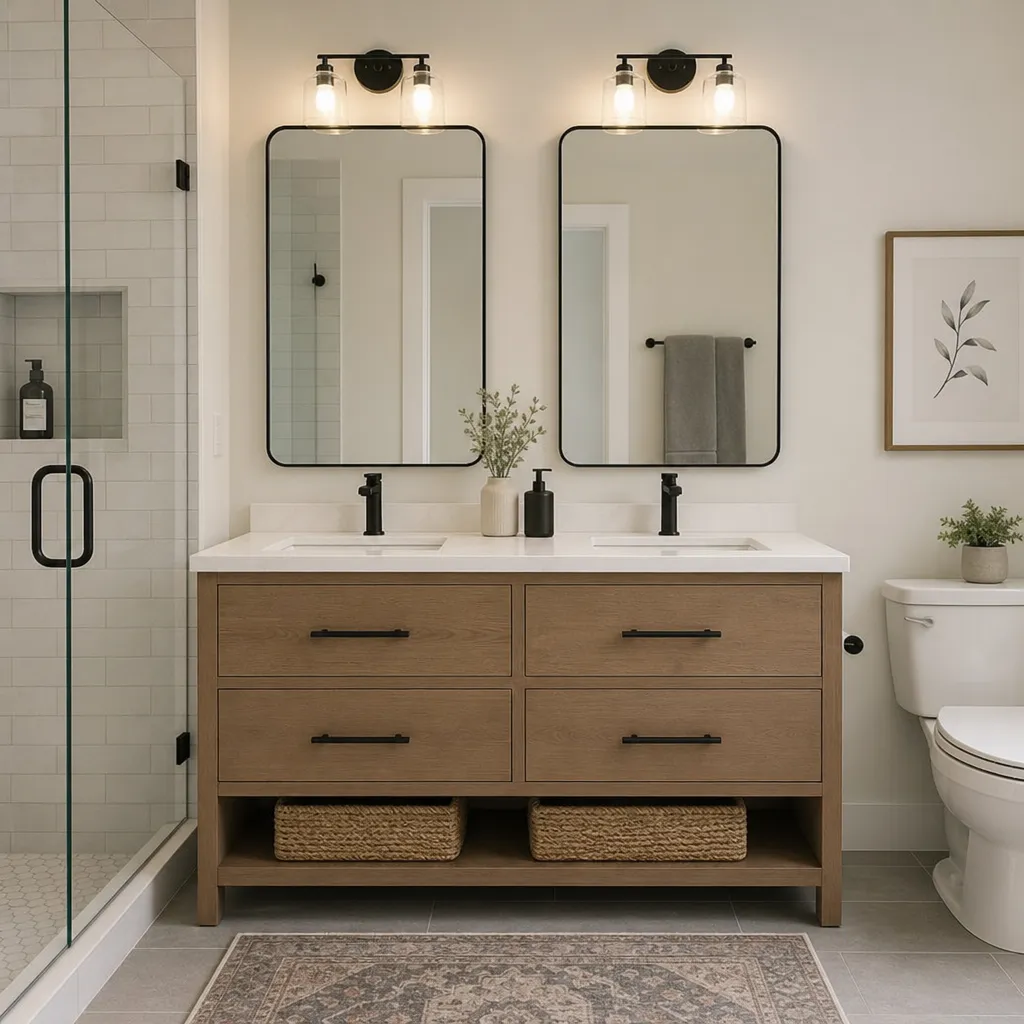
The walk-in shower vs bathtub decision splits every bathroom remodel: showers win on space, accessibility, and modern appeal; tubs win on relaxation and family resale. In 2026 the right answer depends on your buyer, your square footage, and your market. This guide compares resale value, cost, and use case so you can spec with confidence.
As a Foshan bathroom-solutions supplier, FenSo advises distributors and contractors on exactly this trade-off weekly. Here is the framework.
Walk-in Shower: Pros & Cons
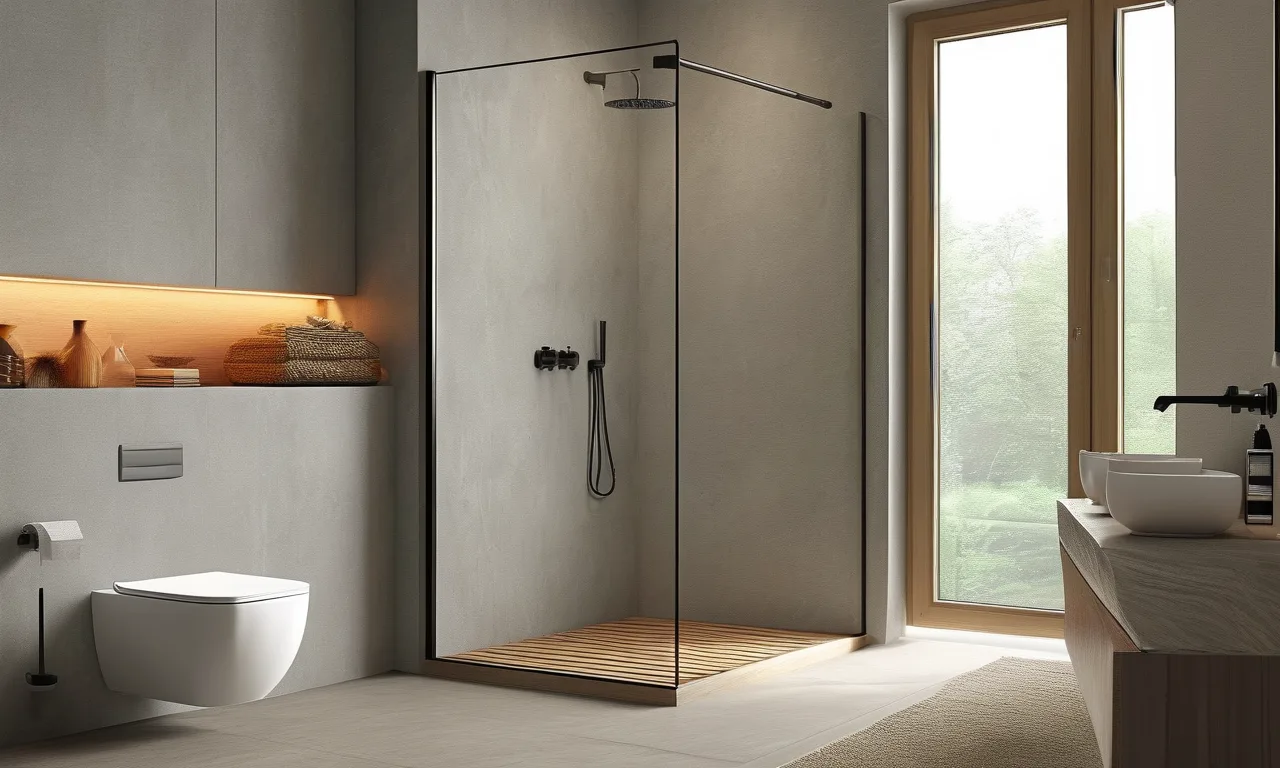
A walk-in (often curbless or low-threshold) shower with a glass enclosure is the default for modern and accessible bathrooms.
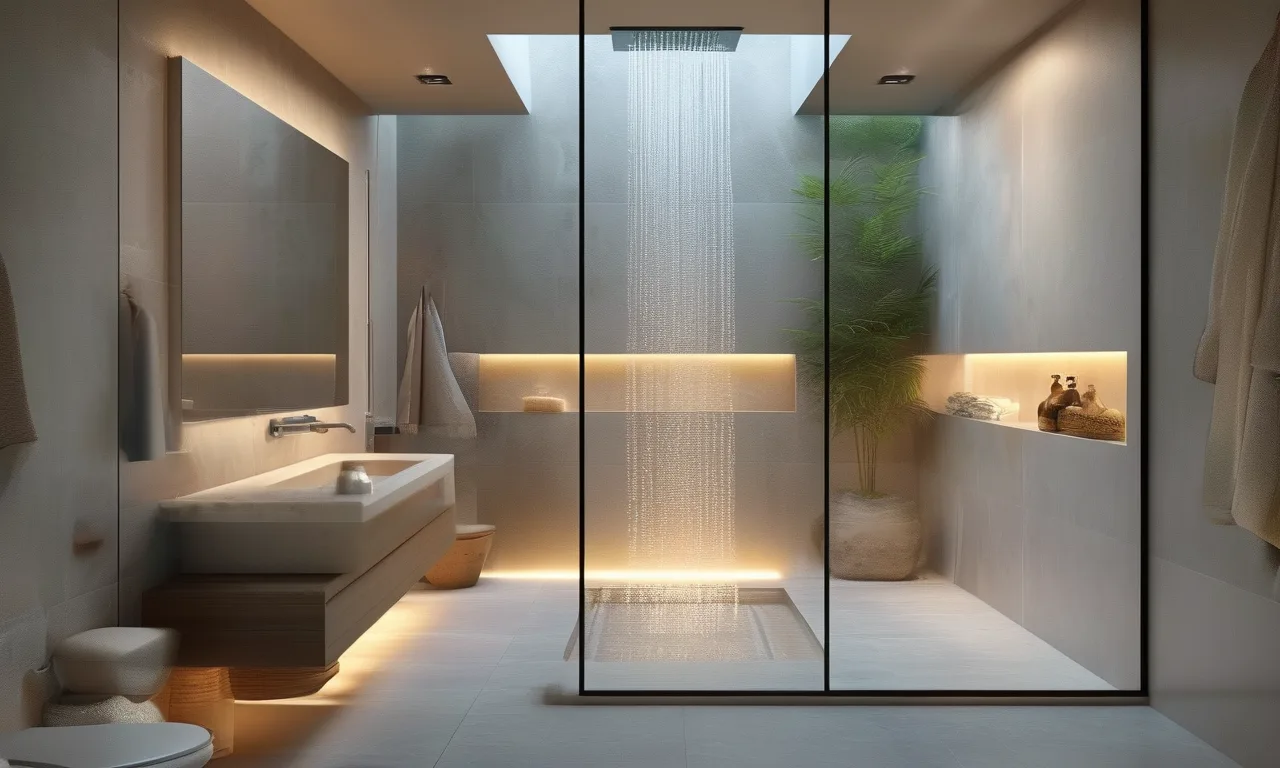
- Pros: space-saving, easy to clean, aging-in-place friendly, contemporary look, faster daily use.
- Cons: less relaxing soak; glass needs regular wiping; can feel cold without heating.
- Best for: small bathrooms, senior-friendly specs, urban/modern homes.
Bathtub: Pros & Cons
A freestanding or built-in tub remains the relaxation centerpiece and a family-market expectation.
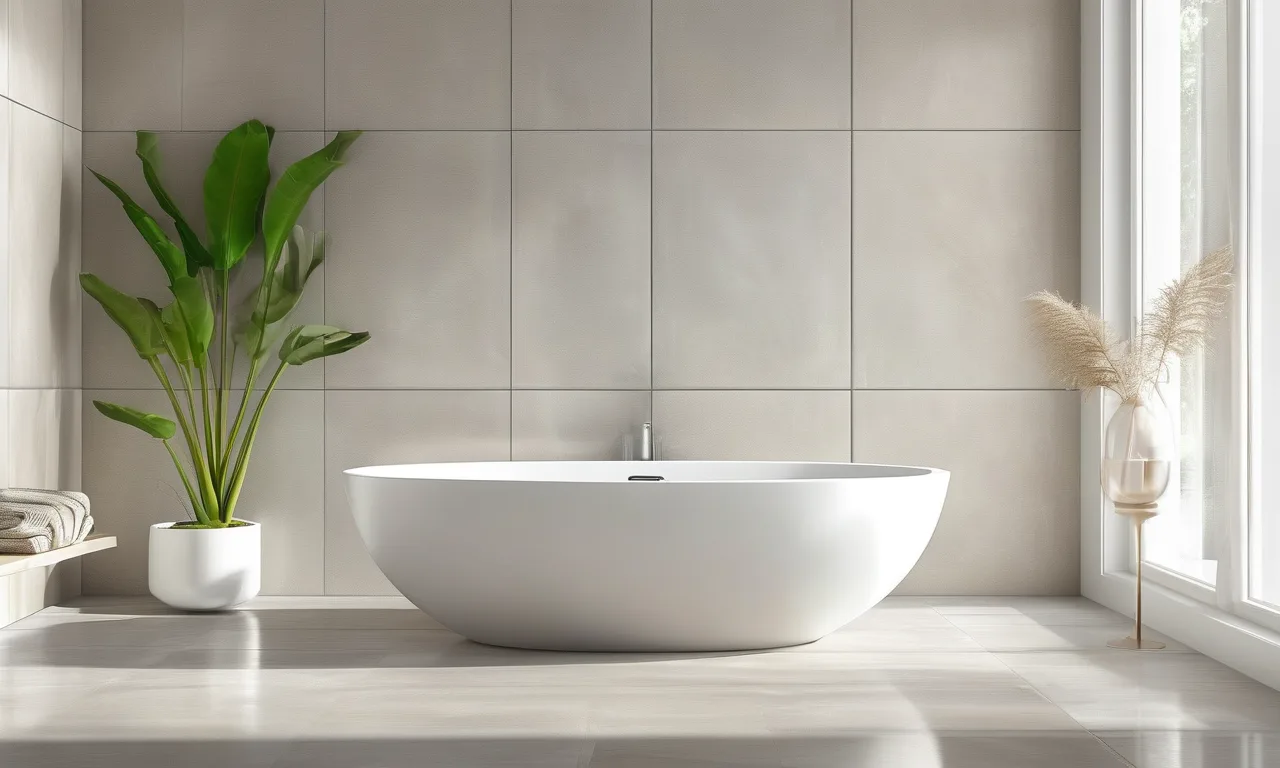
- Pros: relaxing soak, expected in family/suburban homes, strong resale in those markets.
- Cons: uses more floor space, harder to clean, unsafe for mobility-limited users.
- Best for: family homes, master suites, wellness-focused buyers.
Which Adds More Resale Value in 2026?
It is market-dependent, not absolute:
| Home / market | Winner | Why |
|---|---|---|
| Family / suburban | Tub (or tub + shower) | Buyers with kids expect a tub; “no tub” can hurt offers |
| Urban / condo / new-build | Walk-in shower | Space and modern expectation dominate |
| Senior / accessible | Walk-in shower | Safe, step-free, future-proofs the home |
| Luxury master | Both | Double vanity + tub + shower reads premium |
The safe spec for a family home is tub plus shower; for everything else, a quality walk-in shower usually returns more.
Space & Cost Reality
- Space: a walk-in shower frees 1-2 m of floor versus a tub; critical in small bathrooms.
- Cost: a tiled walk-in shower can cost similar to a mid tub, but curbless/luxury glass pushes it higher; acrylic tubs are the budget option.
- Cleaning: showers (especially with good glass coating) are lower effort than scrubbing a tub.
How to Choose by Scenario
- Family home – keep at least one tub; add a separate shower if space allows.
- Small / rental – walk-in shower maximizes usable space and durability.
- Aging-in-place – curbless walk-in shower with seating and grab bars.
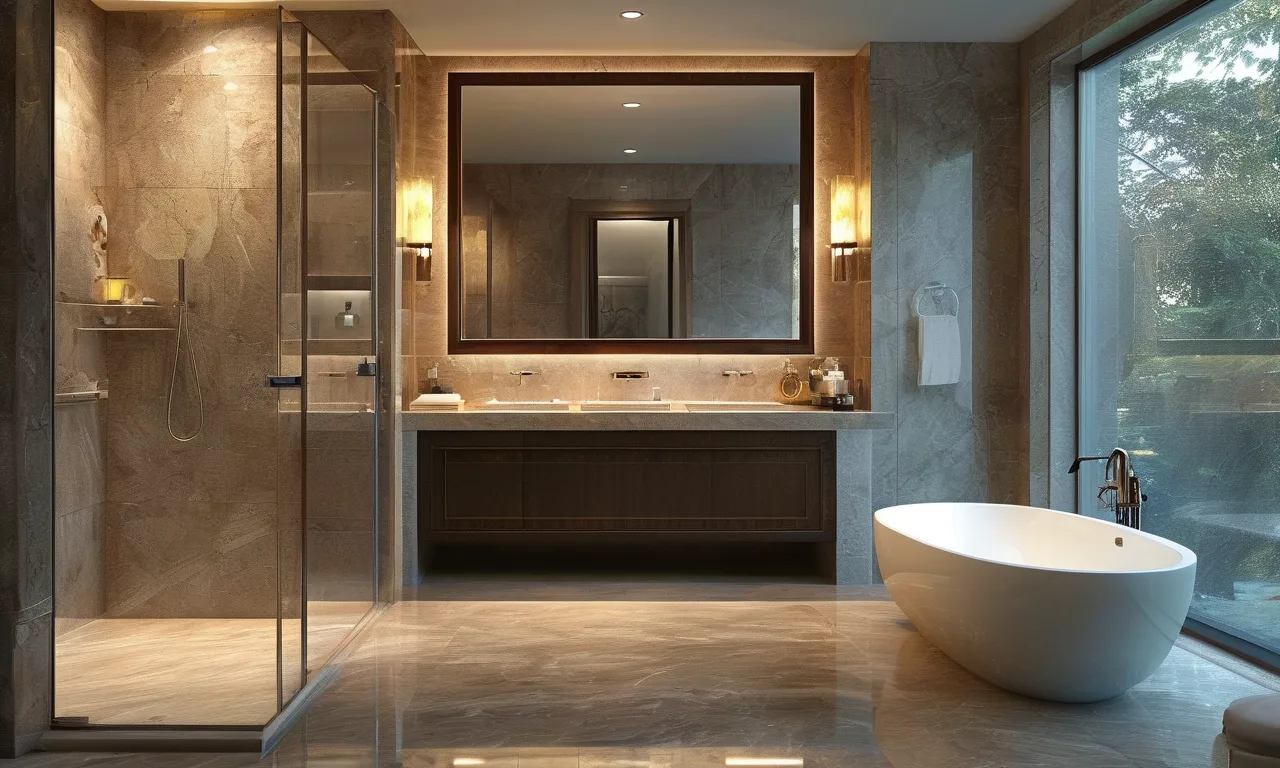
- Luxury – both, with a freestanding tub as the statement piece.
For the rest of the bathroom, pair with our bathroom vanity buyer’s guide and wall-hung toilet guide; for full design context see our 2026 bathroom ideas guide.
FAQ
Does removing a tub hurt resale?
In family/suburban markets, yes – buyers with children expect a tub, and “no tub” can reduce offers. In urban/condo markets, it rarely matters.
Is a walk-in shower cheaper than a tub?
A basic acrylic tub is cheapest; a tiled walk-in shower ranges from similar to more expensive depending on glass and tiling.
Which is better for small bathrooms?
Walk-in shower – it frees floor space and reads larger. A tub dominates a compact room.
What is the best resale-safe spec?
Tub plus separate shower in a family home; walk-in shower only in urban/modern or accessible builds.
Conclusion
Walk-in shower vs bathtub is not about which is “better” but which fits the buyer: showers win on space, accessibility, and modern appeal; tubs win on relaxation and family resale. Spec to the home type and market, and when in doubt for a family property, keep a tub.
Spec-ing a bathroom project? Talk to FenSo’s B2B team for shower enclosures, tubs, and matching fixtures with FOB pricing.