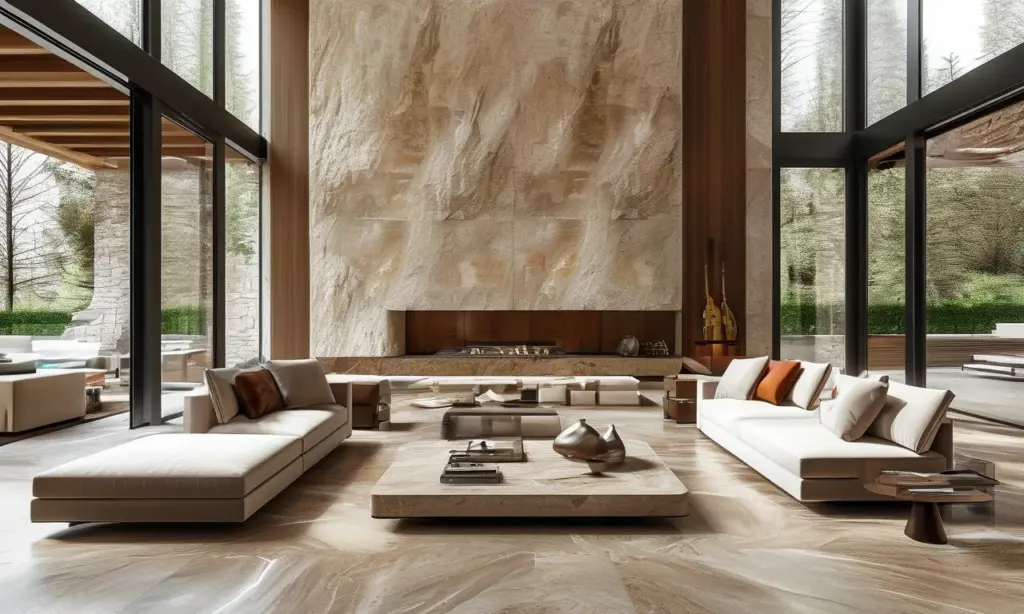
Specifying natural stone is where a project earns its permanence. Unlike printed ceramics or engineered slabs, every piece of marble, granite, travertine or limestone carries a unique veining, density and behaviour that you must match to the room, the traffic and the climate before you order. This natural stone buying guide compares the four stones buyers ask about most, explains where each one belongs, and gives you a 2026 checklist for selection, finish and maintenance.
Why specify natural stone
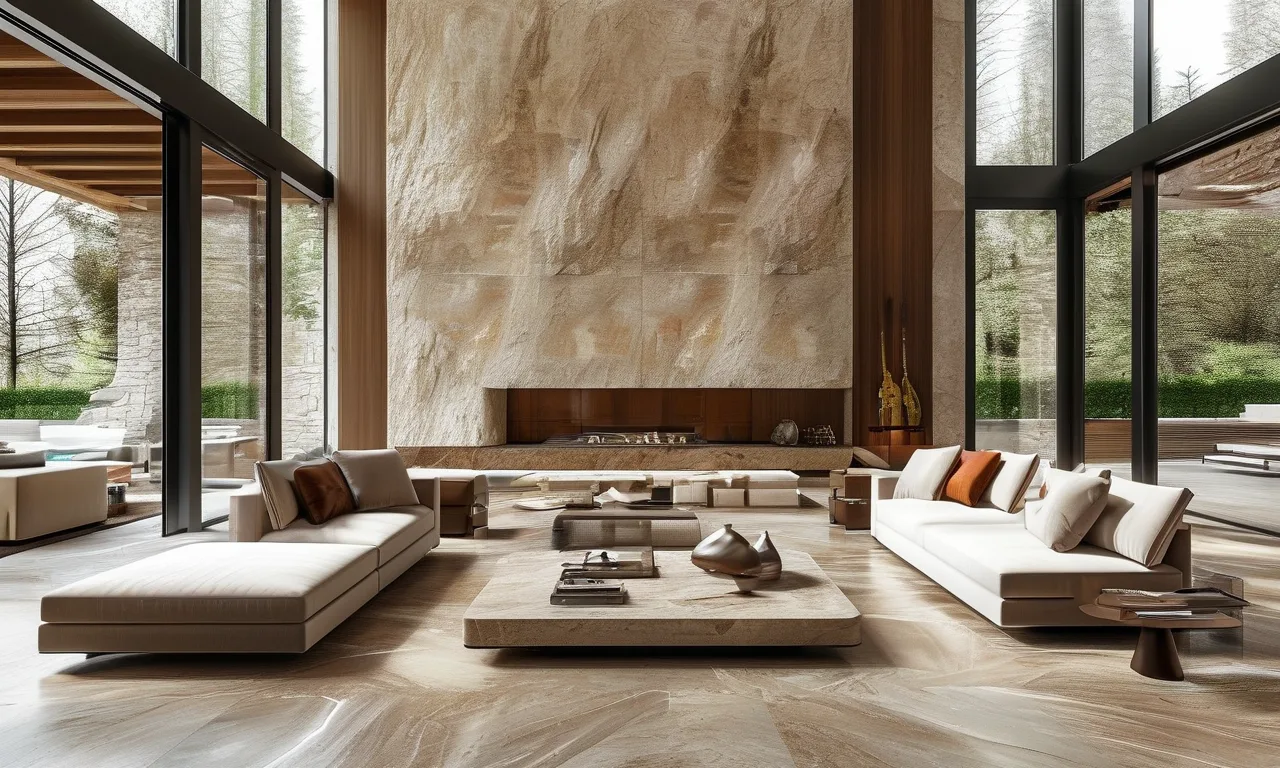
Natural stone is quarried, not manufactured, so it brings depth, variation and a sense of place that printed surfaces cannot fully copy. It is also durable: granite and limestone have clad buildings for centuries. The trade-off is that each material has its own porosity, hardness and sealing needs, so the buying decision is really about fit — matching stone type, finish and format to the application.
The four stones compared
Marble
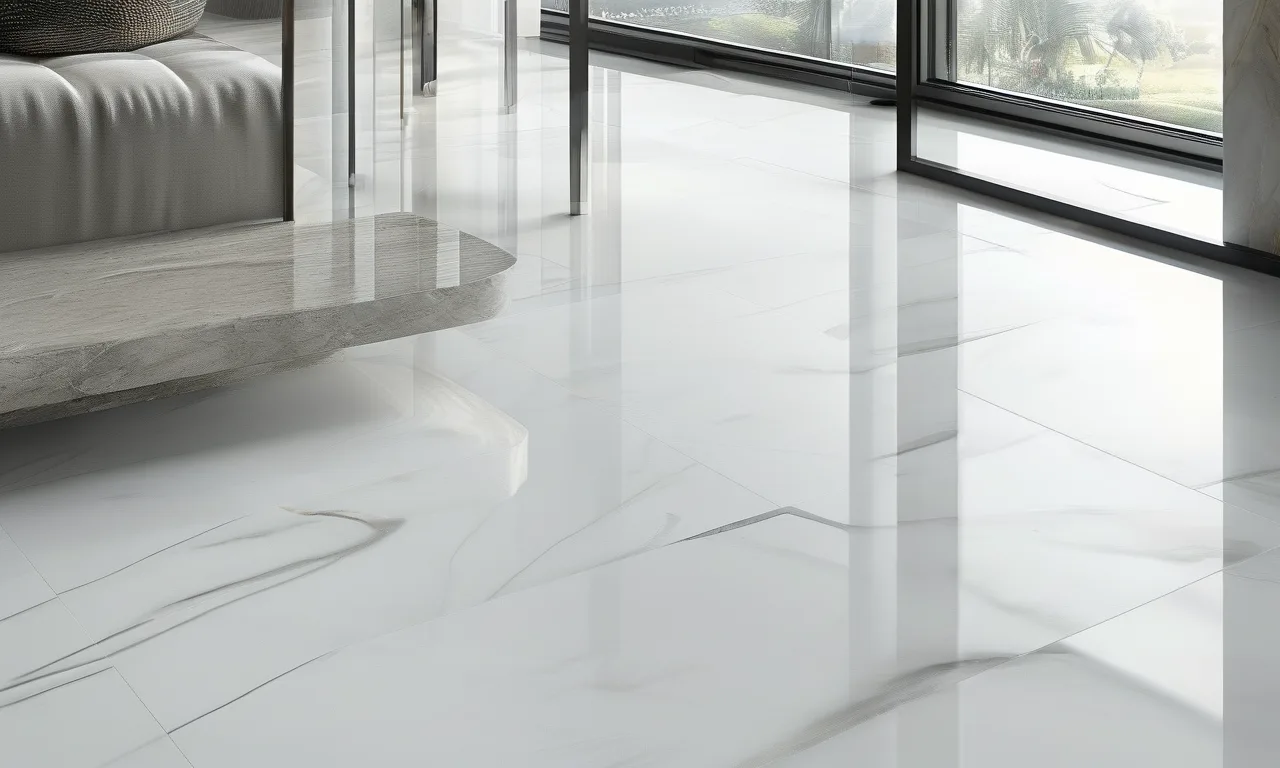
Marble is a recrystallised limestone prized for soft, flowing veins and a cool, luminous surface. It is relatively soft (Mohs 3) and acid-sensitive, so it etches from citrus, wine and many cleaners. Use marble where it is seen and lightly used — feature walls, vanities, low-traffic foyers and luxury bathrooms — rather than busy kitchen counters.
Granite
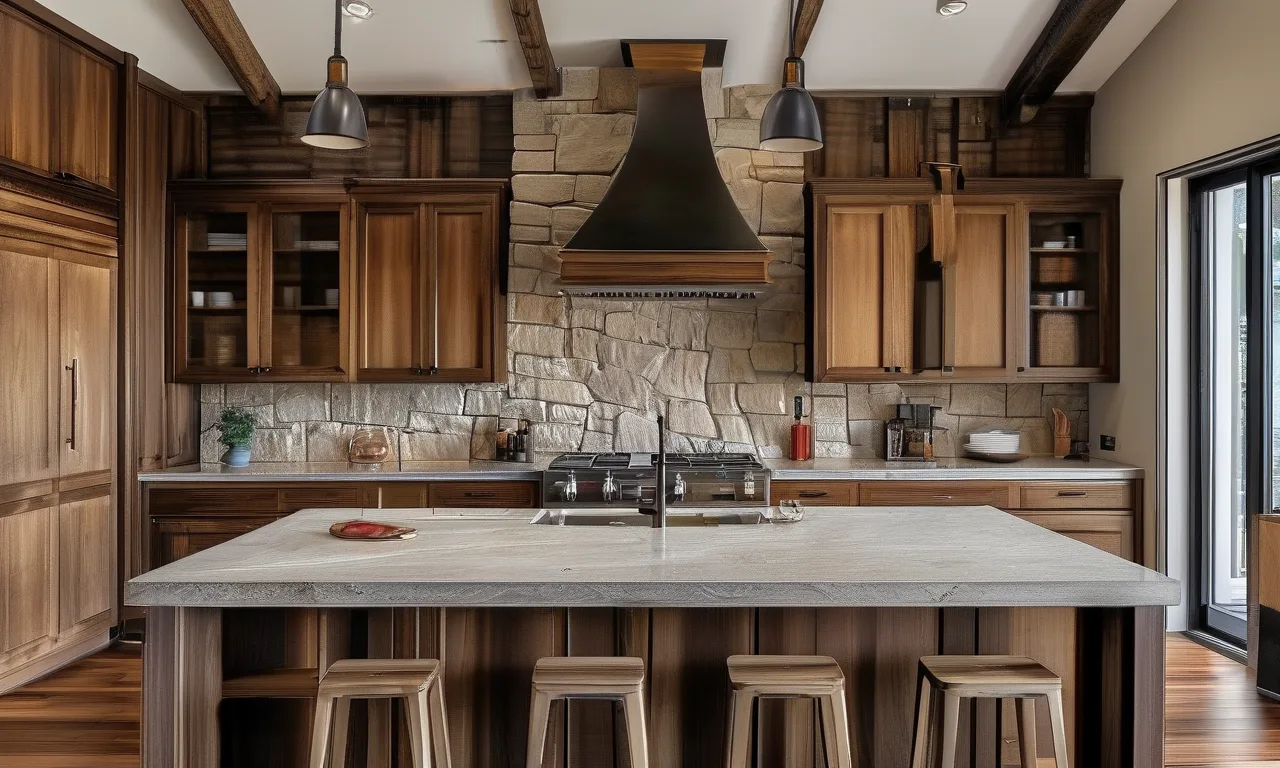
Granite is an igneous rock with interlocking mineral crystals that make it one of the hardest, most scratch- and heat-resistant stones (Mohs 6–7). It shrugs off knives, hot pans and daily abuse, which is why granite countertops remain a default in working kitchens. Its pattern is speckled rather than veined, and it needs far less sealing than marble.
Travertine
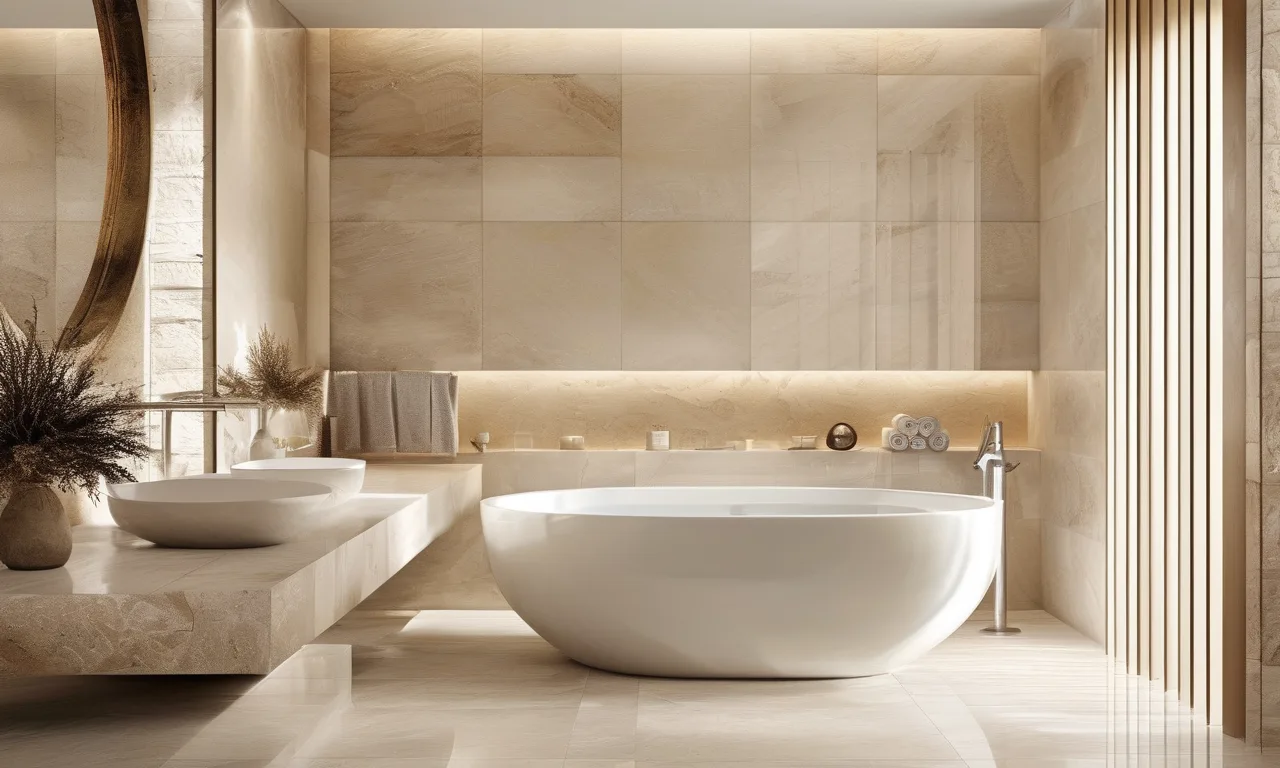
Travertine is a banded limestone formed in hot springs, with a characteristic open, honeycombed texture that reads as warm and organic. Honed travertine wall cladding and floors suit spa, Mediterranean and rustic interiors. It is softer and more porous than granite, so it wants a honed or filled finish and regular sealing.
Limestone
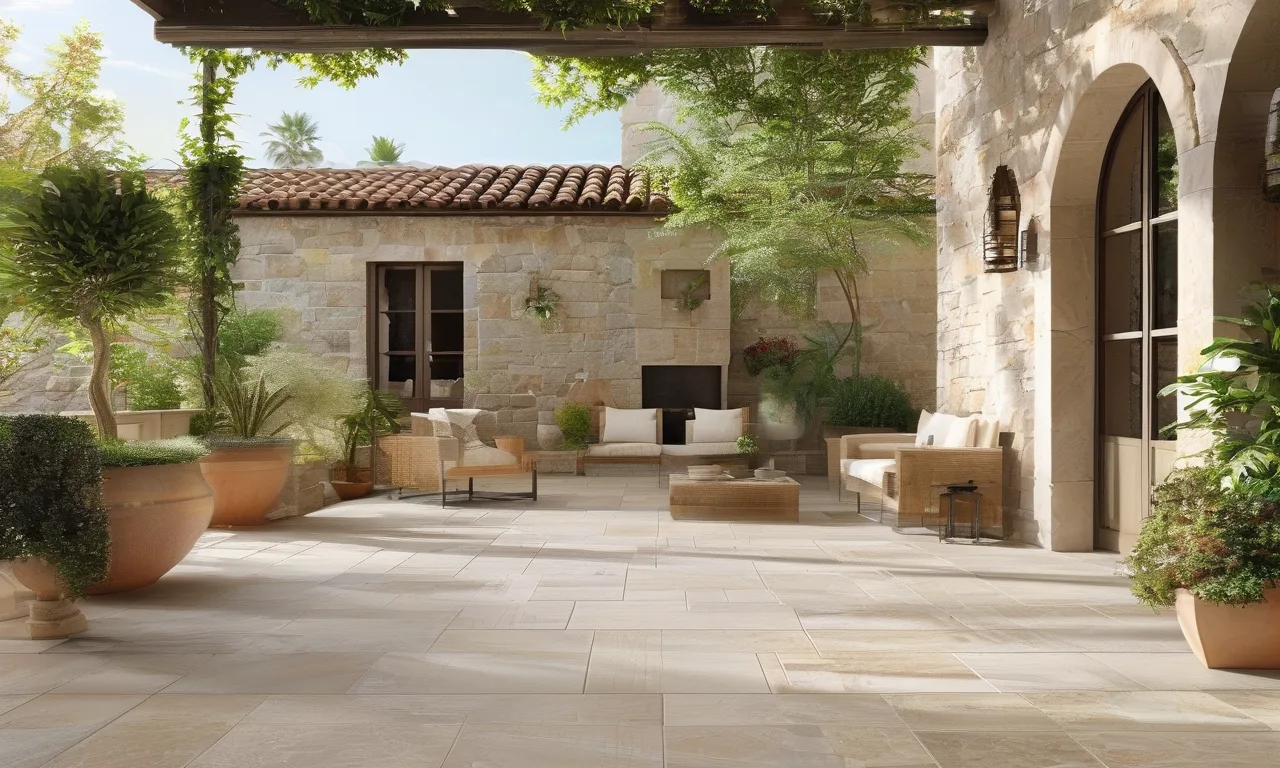
Limestone is a fine-grained sedimentary stone in calm beiges and greys. It wears gracefully and is a favourite for limestone patios, courtyard paving and soft, monolithic interiors. It is more porous than granite and susceptible to acids, so specify a honed or brushed finish and a quality sealer for outdoor use.
| Stone | Hardness | Best for | Acid resistance | Sealing |
|---|---|---|---|---|
| Marble | Low (3) | Walls, vanities, low-traffic floors | Poor (etches) | Regular |
| Granite | High (6–7) | Kitchen countertops, stairs, facades | Good | Light |
| Travertine | Medium-low | Wall cladding, spa floors, backsplashes | Poor | Regular |
| Limestone | Medium | Patios, courtyards, calm interiors | Poor | Regular |
Natural stone vs engineered stone
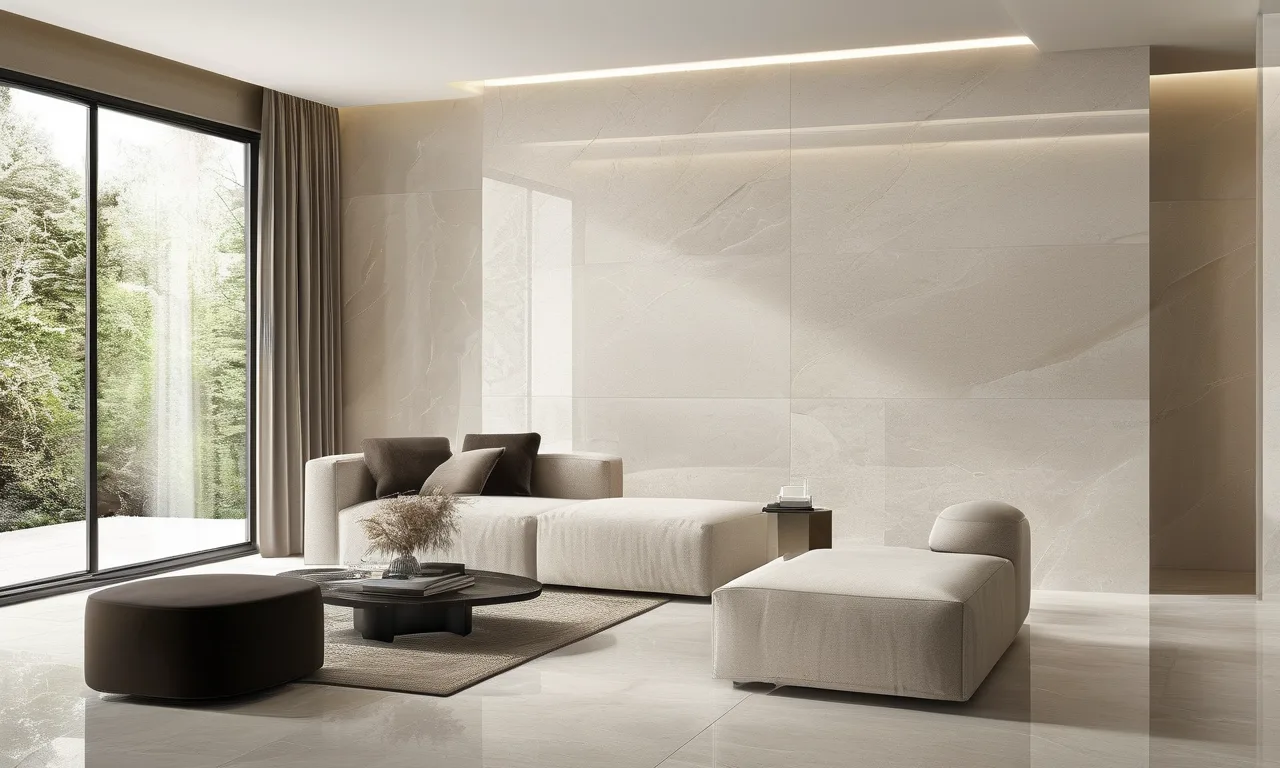
The biggest buying question is natural stone vs engineered stone. Engineered options such as quartz and sintered stone are non-porous, uniform and stain-proof, which makes them effortless for busy kitchens. Natural stone trades some of that convenience for unique pattern, depth and a material story buyers value in premium projects. They are not rivals so much as neighbours: specify natural stone where character matters and engineered stone where zero-maintenance performance leads. See our Quartz vs Sintered Stone guide for the engineered side.
Applications
Natural stone flooring
For natural stone flooring, harder stones (granite, dense limestone) suit entrances and commercial lobbies, while marble and travertine suit lower-traffic residential rooms. Choose honed or brushed finishes for slip resistance, and match tile thickness to the substrate — 12 mm for floors over screed, 20 mm+ for exterior paving on pedestals.
Natural stone wall cladding
Natural stone wall cladding — marble feature walls, travertine bathroom surfaces, limestone reception backdrops — delivers the material’s drama with almost no wear risk. Use book-matched slabs for a mirrored veining effect on premium installs, and confirm mechanical fixing for large-format pieces.
Natural stone countertops
For natural stone countertops, granite is the safe workhorse and marble is the statement piece reserved for baking stations and islands that are seen more than chopped on. Always specify a honed or leathered finish on marble counters to hide etching, and insist on a food-safe sealing schedule.
Finishes and formats
- Polished — mirror sheen that deepens colour and veining; best for low-traffic walls and feature floors.
- Honed — matte, slip-friendly and etch-forgiving; the default for floors and counters.
- Brushed / leathered — textured, hides wear and fingerprints; popular on granite and marble.
- Formats — full slabs for seamless counters and walls, large porcelain-thin stone composites for facades, and calibrated tiles (300–800 mm) for floors.
How to choose by project
- Residential kitchen: granite counters, marble island, limestone or travertine floors in living areas.
- Luxury bathroom: honed marble walls, travertine cladding, granite or marble vanity top.
- Commercial lobby: granite floors, book-matched marble feature wall, brushed limestone accents.
- Outdoor patio: 20 mm+ limestone or granite paving, honed and sealed for weather.
Maintenance and sealing
Most natural stone is sealed, not coated. Penetrating sealers repel water and oil; reapply every 1–3 years depending on traffic and stone. Clean with pH-neutral stone soap — never vinegar or acidic cleaners, which etch marble, travertine and limestone. Wipe spills promptly, use trivets on marble, and have honed floors re-honed if they ever dull.
B2B sourcing from a Foshan manufacturer
The Foshan stone and building-materials cluster lets importers consolidate slabs, tiles, fixing systems and finishing in one supply base, keeping cost and lead time competitive. As a Foshan-based manufacturer, FenSo Building supplies marble, granite, travertine and limestone in slab and tile formats with CAD drawings, sample approval and export packaging for project-scale orders. Review our Flooring & Marble Solution for the full range.
Frequently asked questions
Which natural stone is best for kitchen countertops?
Granite is the best all-rounder: hard, heat- and scratch-resistant and low-maintenance. Marble is chosen for looks on low-use islands but etches from acids, so it needs more care.
Is natural stone more expensive than engineered stone?
Premium marble and exotic granite can cost more than entry quartz, but common granites and limestone are price-competitive. The bigger cost driver is slab rarity, thickness and finishing, not “natural vs engineered” alone.
Does natural stone need sealing?
Yes. Porous stones — marble, travertine, limestone — need a penetrating sealer and periodic reapplication. Granite needs far less but still benefits from an initial seal.
Can natural stone be used outdoors?
Yes. Dense granite and properly sealed limestone make excellent patios and facades. Avoid polished marble outdoors in freeze-thaw or staining environments.
Natural stone vs engineered stone — which should I choose?
Choose natural stone for unique character, warmth and prestige surfaces; choose engineered stone for zero-maintenance, uniform, stain-proof performance in busy kitchens. Many projects use both.
How do I clean natural stone?
Use a pH-neutral stone cleaner and soft cloth, wipe spills fast, and avoid acidic products. Reseal on the schedule your supplier recommends for the specific stone.
Conclusion
A good natural stone spec starts with the room, not the showroom: match marble, granite, travertine or limestone to traffic and finish, seal on schedule, and let the material’s character do the talking. Explore FenSo Building’s Flooring & Marble Solution or talk to our team about project-scale natural stone supply.
Flooring & Marble Solution · Flooring Buying Guide 2026 · Quartz vs Sintered Stone · Tile Buying Guide 2026 · FenSo Building Manufacturer