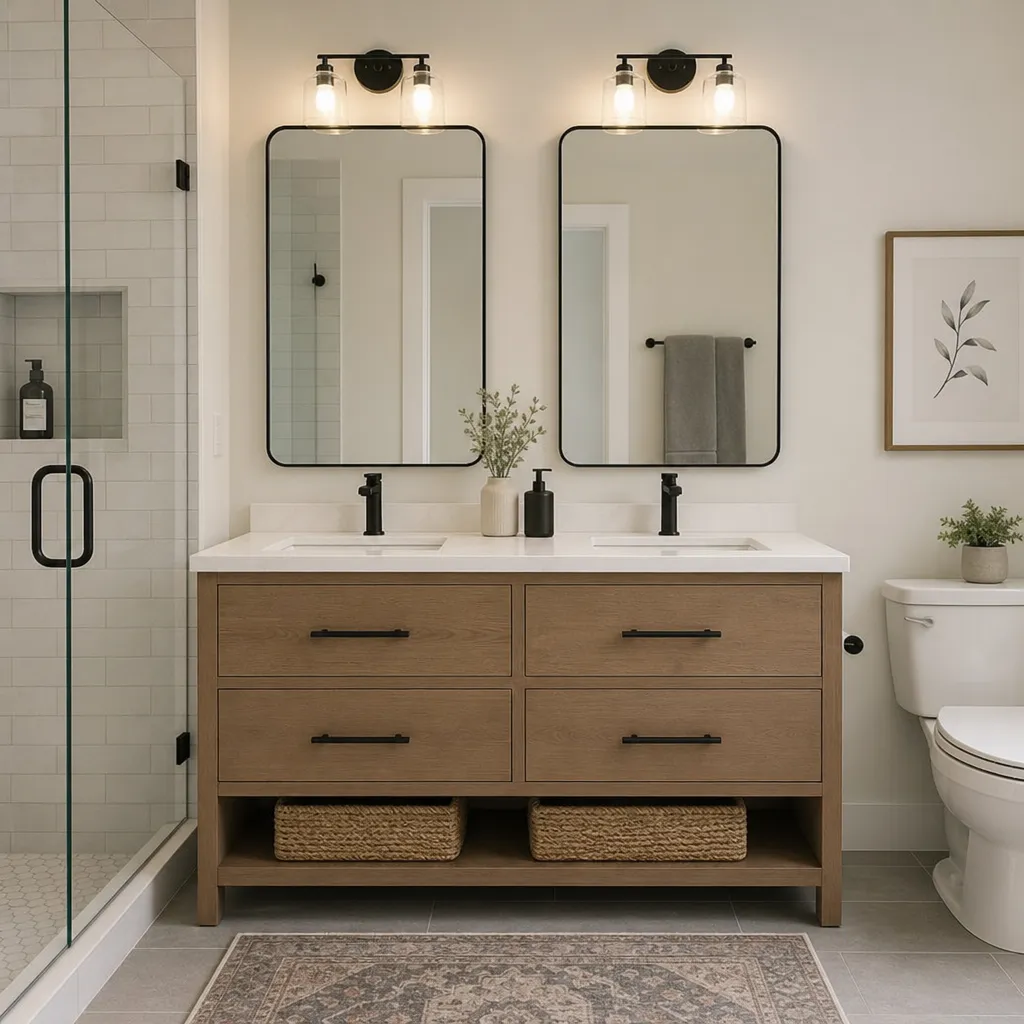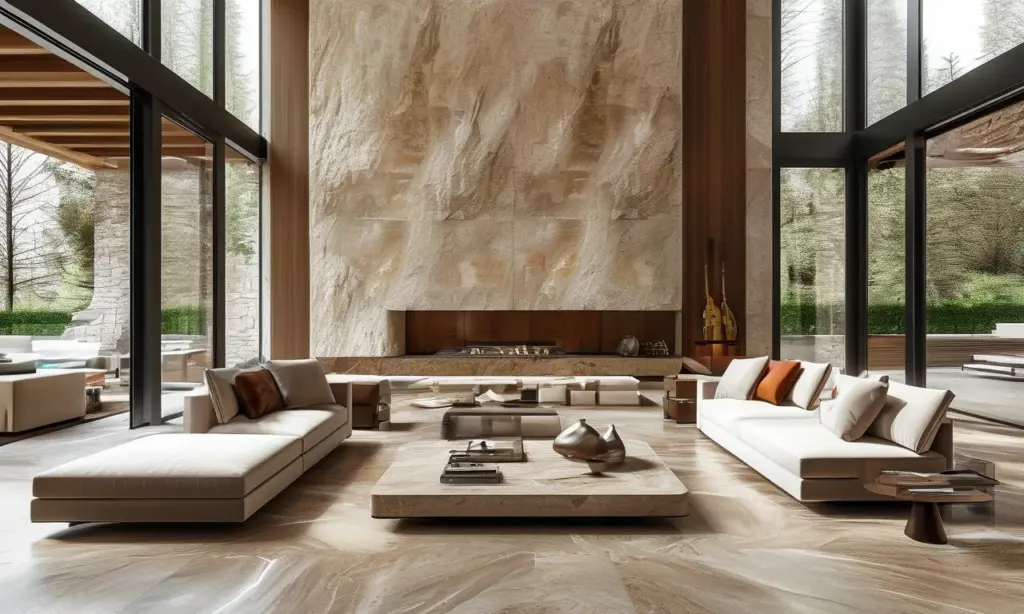
Specifying the right worktop material can make or break a kitchen, bathroom, or commercial fit-out project. For contractors, importers, and developers sourcing from China, the three materials that dominate 2026 specifications are quartz, sintered stone, and porcelain slabs. They look similar on a showroom wall but differ sharply in composition, durability, cost, and how they behave on site.
This B2B sourcing guide compares quartz vs sintered stone vs porcelain head to head — so you can specify with confidence and avoid costly mistakes on your next order.
What Each Material Actually Is
Quartz (Engineered Stone)
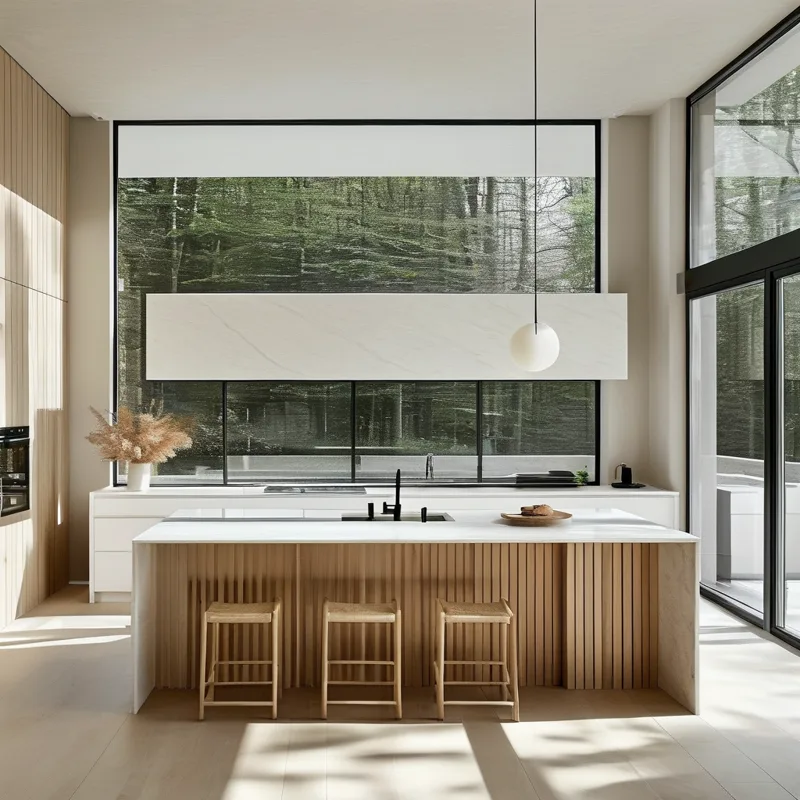
Quartz surfaces are roughly 90–95% crushed natural quartz bound with polymer resin. The result is a non-porous, consistent slab that is easy to fabricate and available in a huge range of colors. It is the workhorse of residential and hospitality countertops.
Sintered Stone
Sintered stone (brands like Dekton and Neolith) is made by compact particles of natural minerals under extreme heat and pressure — no resin at all. It is essentially a full-body porcelain pushed to its technical limit: ultra-dense, UV-stable, and resistant to heat, scratches, and stains.
Porcelain Slabs
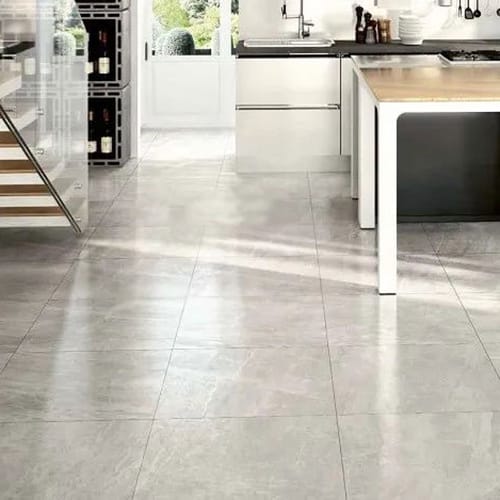
Porcelain slabs are a thinner, lighter ceramic tile format fired at high temperature. They are more affordable than sintered stone, highly stain-resistant, and excellent for both floors and walls — though more brittle to fabricate than quartz.
Quartz vs Sintered Stone vs Porcelain: Key Differences
| Factor | Quartz | Sintered Stone | Porcelain Slab |
|---|---|---|---|
| Composition | Quartz + resin | Mineral particles, sintered | Fired ceramic clay |
| Heat resistance | Moderate (resin scorches) | Excellent | Excellent |
| Stain resistance | Very good | Excellent | Excellent |
| Fabrication | Easy, well-supported | Hard (needs specialist tools) | Brittle, careful handling |
| UV stability | Can yellow outdoors | Full UV stable | UV stable |
| Typical cost | $$ | $$$ | $ |
| Best for | Indoor kitchens, vanities | Outdoor, high-heat, facades | Floors, walls, budget tops |
Which Should You Specify? A Decision Checklist
Choose Quartz When…
- The project is indoor kitchens, bathrooms, or vanities.
- You want the widest color range and easiest fabrication.
- Budget sits in the mid-range and lead time matters.
Choose Sintered Stone When…
- Surfaces face high heat (around cooktops) or direct sunlight (outdoor kitchens, facades).
- You need a full-body material with zero resin and maximum durability.
- Brand reputation (Dekton/Neolith-style specs) is a selling point for the end client.
Choose Porcelain Slabs When…
- You are cladding floors, walls, or large vertical surfaces.
- Budget is tight but you still want a premium, stain-proof look.
- Weight and thickness need to stay low for retrofit projects.
Sourcing Quartz, Sintered Stone & Porcelain from China
China is the world’s largest producer of both engineered quartz and porcelain slabs, with mature sintered-stone capacity expanding every year. Buying factory-direct gives you the best landed cost — but only if you control quality. Here is a practical sourcing checklist:
- Request physical samples — check edge finish, veining consistency, and thickness tolerance.
- Confirm certifications — NSF/CE for food-contact surfaces and ISO 9001 for the factory.
- Clarify fabrication support — sintered stone and porcelain need specialist cutting; confirm your fabricator’s capability.
- Agree on packaging — A-frame crates with edge protection prevent slab breakage in transit.
- Get a landed-cost quote — material + fabrication + crating + sea freight to your port.
FenSo Building supplies stone, quartz, and tile solutions for projects across the Gulf, Africa, and Southeast Asia. Explore our flooring and marble solution page, or compare natural options in our quartz vs granite vs marble countertop guide.
Frequently Asked Questions
Is sintered stone better than quartz?
For heat, UV, and scratch resistance, yes — sintered stone outperforms quartz because it contains no resin. But quartz is easier and cheaper to fabricate, making it the better default for standard indoor countertops.
Can porcelain slabs be used as kitchen worktops?
Yes. Porcelain slabs are stain-proof and heat-resistant, but they are more brittle than quartz, so fabrication and handling need care. They suit budget-conscious projects and vertical cladding especially well.
Which is the most cost-effective for bulk orders?
Porcelain slabs are typically the most affordable, followed by quartz. Sintered stone carries a premium for its performance and brand positioning. For most B2B projects, quartz offers the best balance of price and practicality.
Do these materials need sealing?
None of the three need sealing — all are non-porous by design. That is a key advantage over natural marble and granite, which require periodic sealing.