Bathtub Buying Guide 2026: Types, Materials & What B2B Buyers Should Specify
Choosing a bathtub looks simple until you are specifying it for a project, a showroom, or a wholesale container order. The gap between a “nice tub” and the right tub is measured in material, wall thickness, footprint, and certification. This 2026 guide walks through bathtub types, shell materials, sizing, installation reality, and the exact parameters B2B buyers should put on a purchase order.
Bathtub Types: Which Form Factor Fits the Space
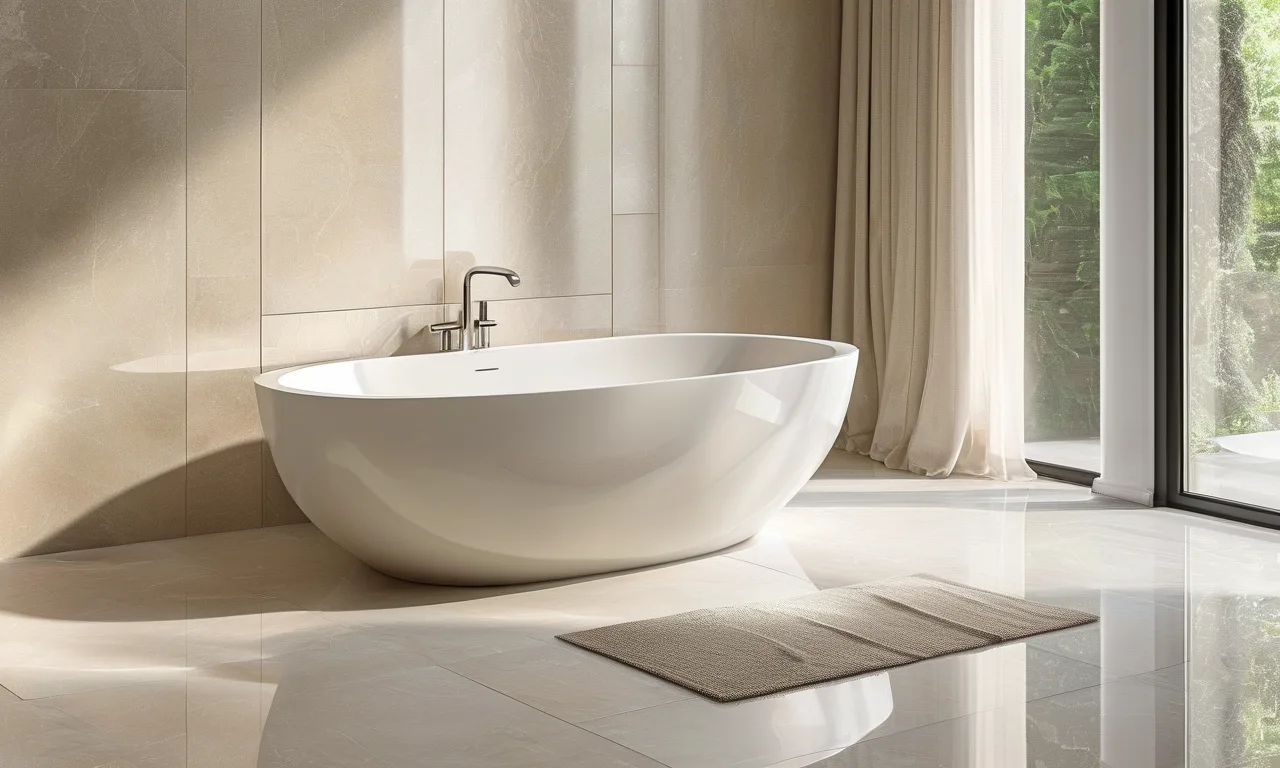
The first decision is geometry. A bathtub is defined less by how it looks and more by how it meets the wall and the floor.
- Freestanding: sits away from walls, finished on all sides. Highest design impact, needs floor-access plumbing and more floor area.
- Alcove / built-in: three-wall recessed tub, the default for residential bathrooms and the most cost-efficient to install.
- Drop-in: inserted into a framed deck or platform, giving a custom, integrated look.
- Corner: triangular footprint for compact or awkward rooms; common in small apartments.
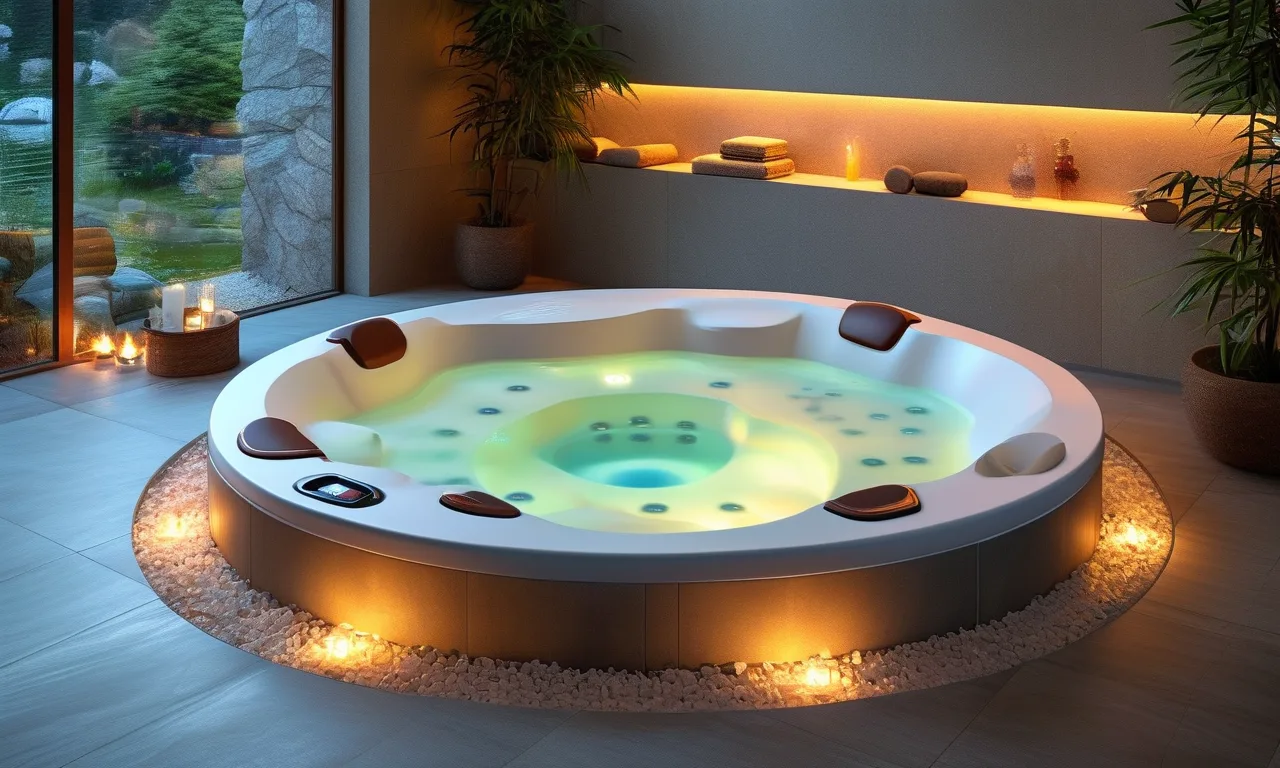
- Jacuzzi / whirlpool: built-in air or water jets for hydrotherapy; higher plumbing and electrical complexity.
| Type | Best for | Floor space | Install complexity | Typical use |
|---|---|---|---|---|
| Freestanding | Statement bathrooms, hotels | High | Medium | Premium / spa |
| Alcove | Standard homes, rentals | Low | Low | Volume / residential |
| Drop-in | Custom decks, master suites | Medium | High | Mid-to-high |
| Corner | Compact apartments | Low | Medium | Space-saving |
| Jacuzzi | Spa, wellness, luxury | Medium | High | Luxury / therapy |
Bathtub Materials: Acrylic, Cast Iron, Steel & Stone Resin
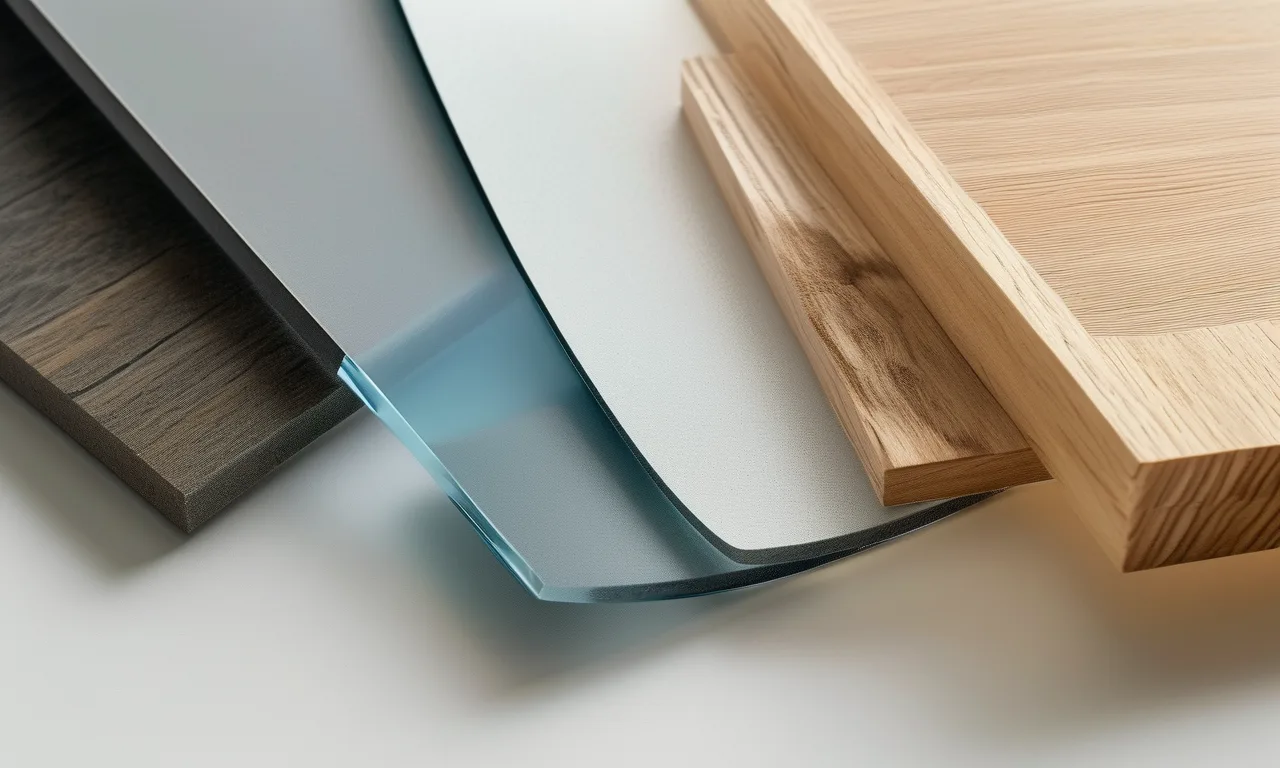
The shell material drives weight, heat retention, durability, and price. For B2B sourcing this is the single most important line on a spec sheet.
| Material | Weight | Heat retention | Durability | Price band |
|---|---|---|---|---|
| Acrylic | Light | Good | Good (scratches repairable) | $ |
| Cast iron (enamel) | Very heavy | Excellent | Excellent | $$$ |
| Steel (enamel) | Light | Low (cold fast) | Good | $$ |
| Stone resin / solid surface | Medium | Excellent | Excellent (renewable) | $$$ |
Acrylic dominates wholesale and project volumes because it is light, warm to touch, and easy to mould into complex shapes. Cast iron is the longevity choice but ships heavy and raises freight cost. Stone resin is the premium freestanding material, renewable by light sanding.
Sizing & Dimensions: Standard, Soaking Depth & Small Rooms
Most markets standardise on a 1500×700 mm or 1700×750 mm footprint. Soaking depth (water depth, not outer height) matters more than total length for comfort.
| Footprint (mm) | Soaking depth (mm) | Room type |
|---|---|---|
| 1200×700 | 350–380 | Compact / corner |
| 1500×700 | 380–420 | Standard residential |
| 1700×750 | 400–450 | Master / hotel |
| 1800×800 | 450+ | Spa / luxury |
Installation Reality: Alcove vs Freestanding
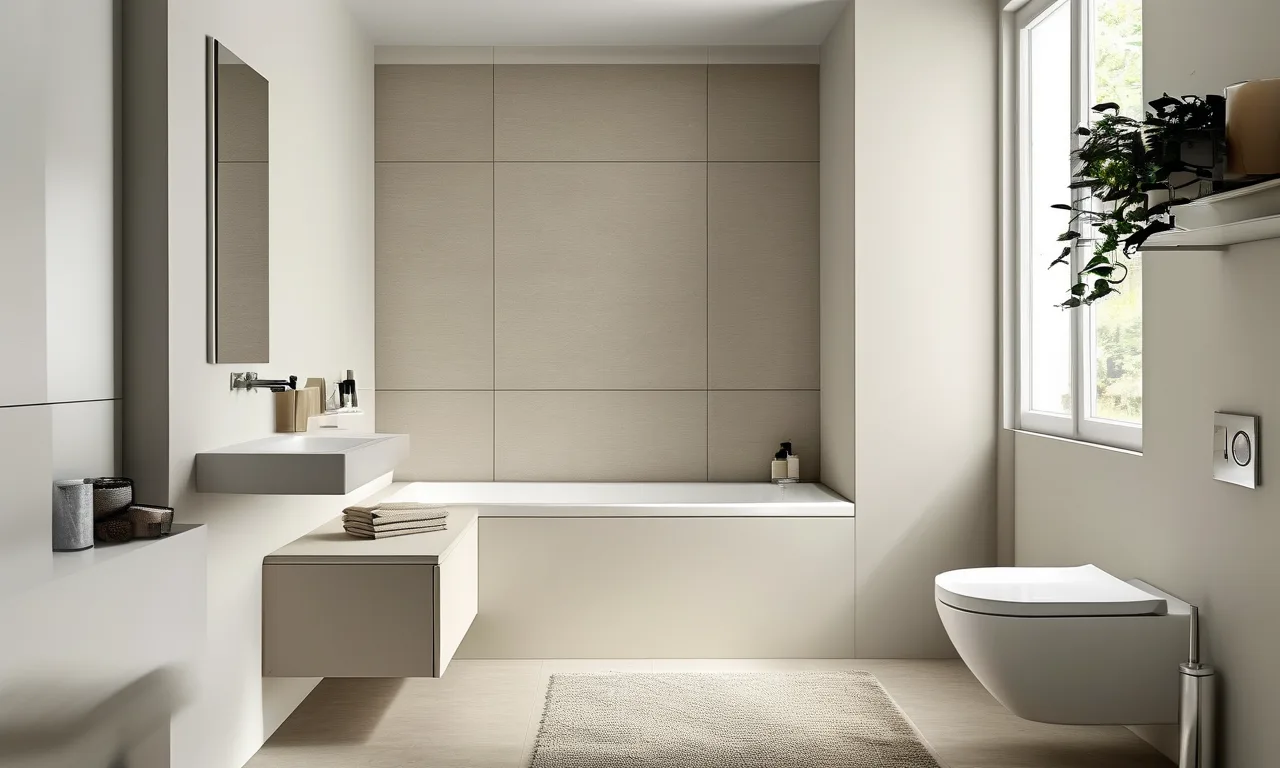
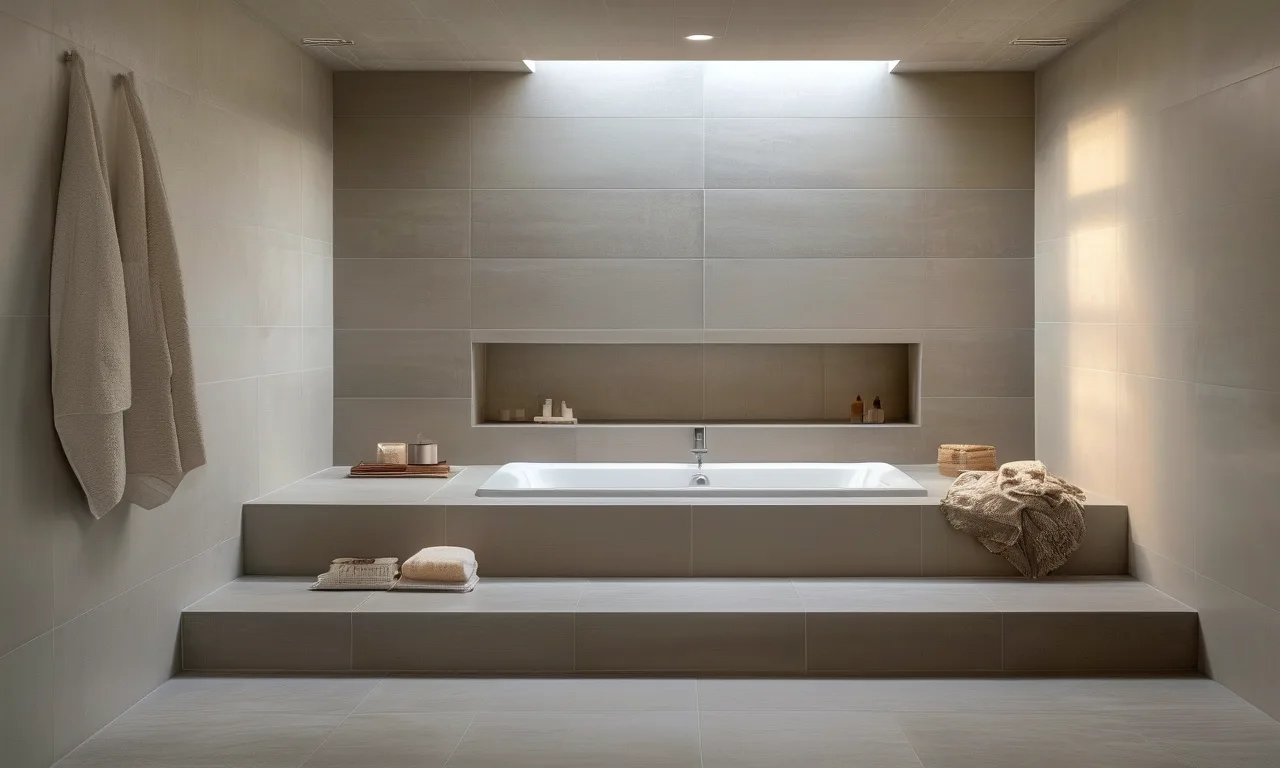
Installation is where projects go wrong. An alcove tub needs a three-wall recess, a tile flange, and a standard waste-and-overflow rough-in. A freestanding tub needs floor-mounted or wall-mounted filler and clear floor access for the drain line.
| Factor | Alcove | Freestanding |
|---|---|---|
| Plumbing access | Behind wall | Through floor |
| Structural support | Ledger board | Level floor + feet |
| Tile flange | Required | Not required |
| Fit-out cost | Lower | Higher |
Features That Move the Spec: Jets, Overflow & Drain
For spa and wellness projects, jets are the headline feature. Distinguish air jets (gentle, hygienic, drier lines) from water jets / whirlpool (powerful, needs regular disinfection). Position of the waste-and-overflow and the drain (centre vs end) must match the rough-in drawing before production.
What B2B Buyers Should Specify on the PO
When you source bathtubs at volume, the purchase order should be unambiguous. Put these on the line item:
- Type & footprint: freestanding / alcove / drop-in, exact mm dimensions.
- Shell material: acrylic thickness (e.g. 3–5 mm), cast iron, or stone resin.
- Soaking depth: specify water depth, not outer height.
- Drain & overflow position: centre / end, left / right handed.
- Surface finish: gloss / matte, colour code.
- Options: jets (air / water), grab bars, anti-slip base.
- Compliance: CE / cUPC / Watermark as required by market.
- Packaging: carton + foam, palletised, container load count.
FenSo Building manufactures acrylic and stone-resin bathtubs at its Foshan facility, with OEM/ODM moulding, private-label packaging, and certification support for export markets. See the Bathroom Solutions hub for the full sanitary-ware range.
Frequently Asked Questions
What is the most durable bathtub material?
Cast iron with enamel and stone resin (solid surface) are the most durable. Cast iron lasts decades but is heavy and costly to ship; stone resin is renewable by light sanding and lighter to handle.
Which bathtub is best for a small bathroom?
A corner or compact alcove tub around 1200×700 mm keeps a small room functional. Freestanding tubs need more clearance and are better suited to larger master bathrooms.
Do jacuzzi bathtubs need special plumbing?
Yes. Whirlpool and air-jet tubs need a power supply for the pump and a planned drain line. Confirm electrical and rough-in requirements before production to avoid on-site rework.
How thick should an acrylic bathtub be?
Quality acrylic shells are typically 3–5 mm with a reinforced backing. Thicker acrylic resists flex and heat loss better; specify the grade on the PO for consistent quality across a container order.
What certification do bathtubs need for export?
It depends on market: CE for Europe, cUPC for North America, Watermark for Australia. Ask your supplier for the matching test reports and mark them on the commercial invoice.
Conclusion
The right bathtub is a function of space, material, and how the tub meets the wall and the floor. Start from the room footprint, pick the shell material by volume and durability, then lock the drain position and compliance before production. For project or wholesale sourcing, a precise purchase order beats a vague “send me a tub” every time.