
Maintaining a toilet is crucial for a functional home. Understanding its parts can simplify repairs and prevent issues.
Toilets consist of several components that work together for efficient operation. Knowing these parts can save time and money.
From the tank to the bowl, each part plays a vital role. Identifying these parts is the first step in effective maintenance.
This guide will explore essential toilet parts for home maintenance. You’ll learn about their functions and how to address common problems.
With this knowledge, you can tackle minor repairs and keep your toilet running smoothly. Let’s dive into the world of toilet maintenance.
Understanding the Anatomy of a Toilet: Basic Components
Toilets might seem simple, but they have intricate parts working in harmony. Understanding these components can ease troubleshooting. A well-maintained toilet ensures better hygiene and lower water bills.
The main parts of a toilet include:
- Toilet Bowl: The bowl collects and directs waste.
- Toilet Tank: Holds the water necessary for a flush.
- Seat and Lid: Provide comfort and hygiene.
Many internal parts are hidden but crucial. These parts help the toilet function efficiently.
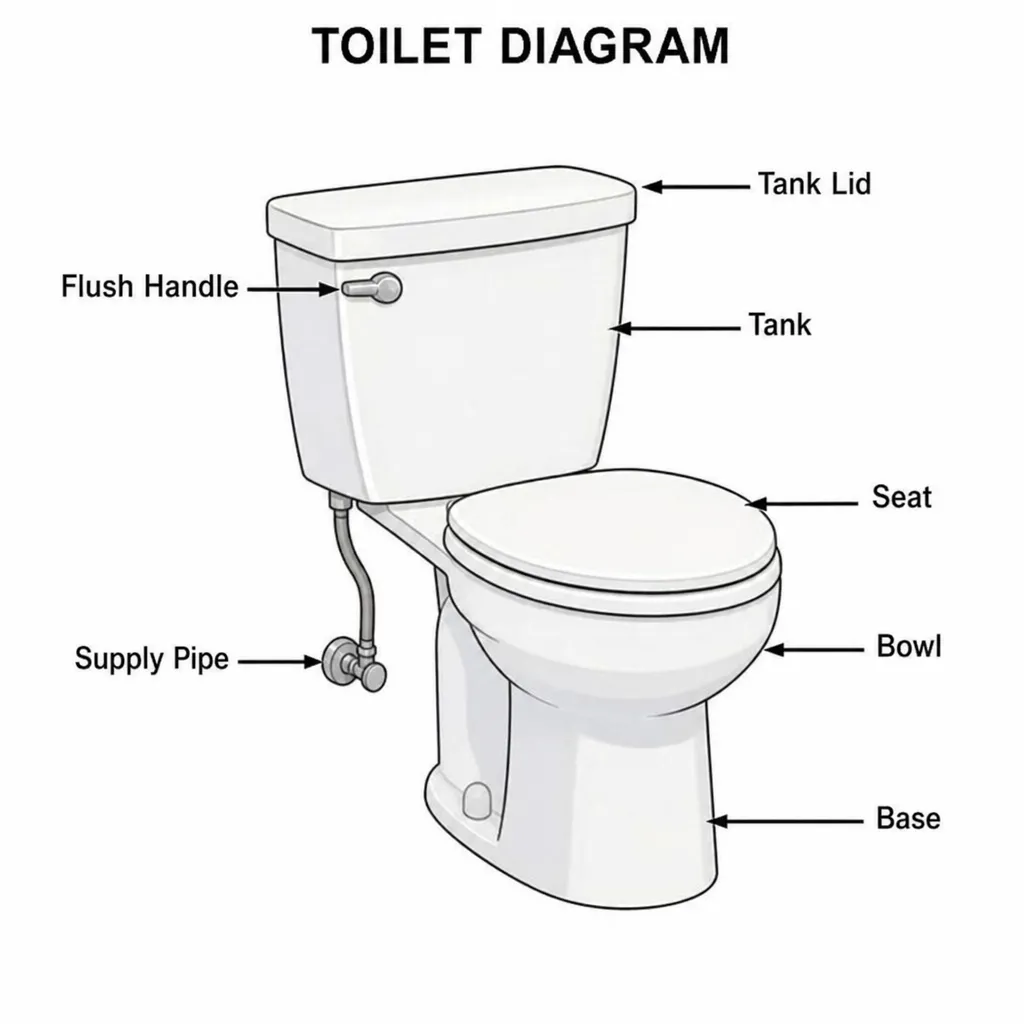
A clear grasp of these components’ functions empowers you to handle basic repairs. This knowledge is invaluable for any DIY enthusiast or homeowner. With the right tools and understanding, maintaining your toilet becomes a manageable task.
Toilet Tank Parts: Names, Functions, and Diagrams
The toilet tank is a vital component in the plumbing system. It stores water needed to flush the toilet. Understanding the parts inside can simplify repairs and maintenance.
Key parts of a toilet tank include:
- Fill Valve: Controls water level in the tank.
- Flush Valve: Releases water to initiate a flush.
- Flapper: Seals the flush valve, preventing leaks.
Each part plays a specific role in the flushing process. The fill valve ensures the tank refills correctly after each flush. The flush valve and flapper work together to create an efficient flow of water.
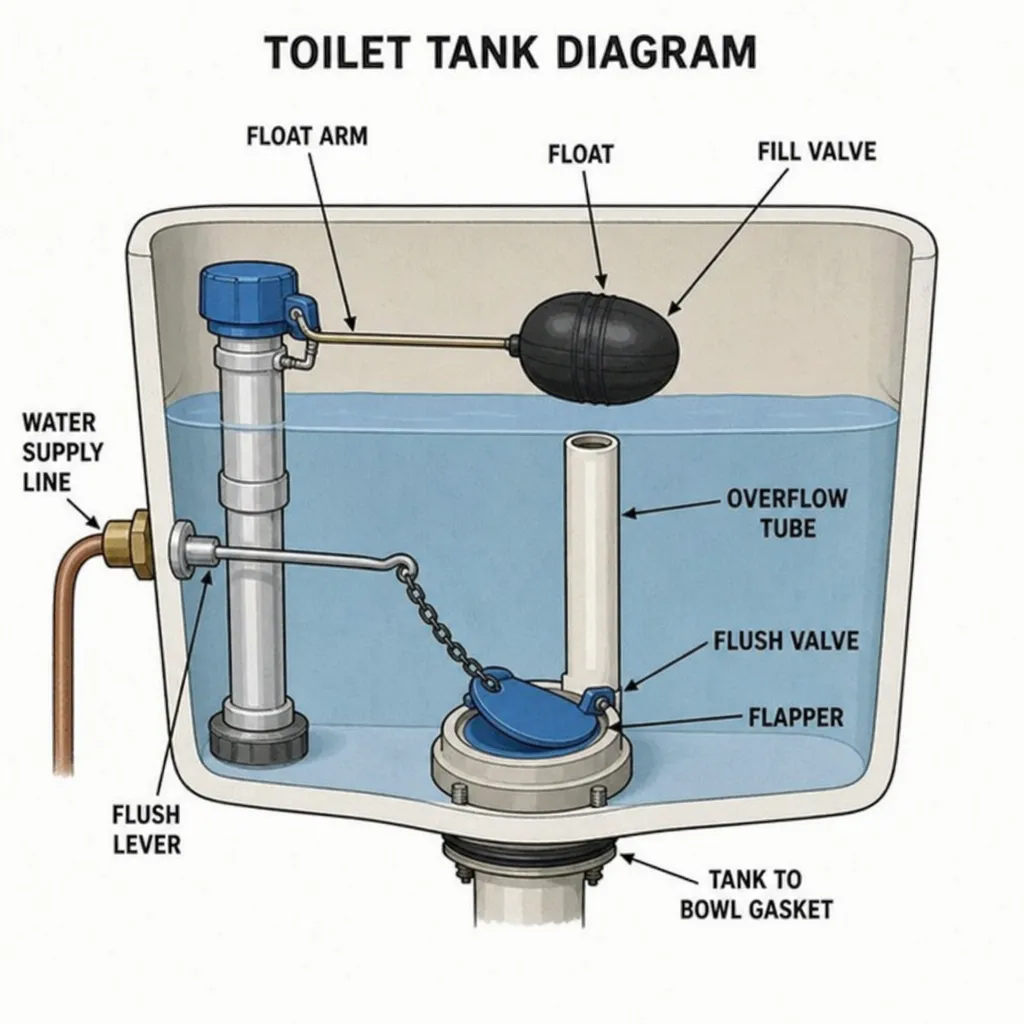
Detailed diagrams can help identify parts in need of adjustment. When any of these components fail, it can lead to issues like constant running or incomplete flushing. Replacing these parts with compatible models is usually straightforward with basic tools. Understanding the tank’s anatomy enhances your ability to diagnose and resolve common problems effectively. This knowledge is crucial for maintaining a functional and efficient toilet system.
Inside the Toilet Bowl: Key Parts and Their Roles
The toilet bowl is designed for optimal waste removal. Its structure creates a siphon effect to efficiently flush waste. Understanding its components can improve maintenance efforts.
Key parts inside the toilet bowl include:
- Rim Holes: Allow water to flow into the bowl evenly.
- Trapway: The curved channel directing waste to the drain.
- Jet: Directs water into the trapway, boosting the flush.
Each of these parts plays a role in flushing performance. Rim holes ensure an even distribution of water to sweep waste away. The trapway, with its curved design, helps in preventing clogs while directing waste. The jet aids the flush by directing water, enhancing the bowl’s efficiency. Maintenance of these elements is vital to a well-functioning toilet. Regular cleaning can keep them free of debris. By knowing these key parts, you can troubleshoot and address performance issues, ensuring effective waste management in your home.
Toilet Plumbing Parts: Seals, Flanges, and Supply Lines
Toilet plumbing parts ensure effective water flow and sealing. Understanding these components can prevent leaks and water damage. Each part serves a critical function in the toilet system.
Essential plumbing parts include:
- Wax Ring: Seals the toilet to the floor, preventing leaks.
- Flange: Connects the toilet to the drain pipe, providing support.
- Supply Line: Delivers water from the main valve to the toilet tank.
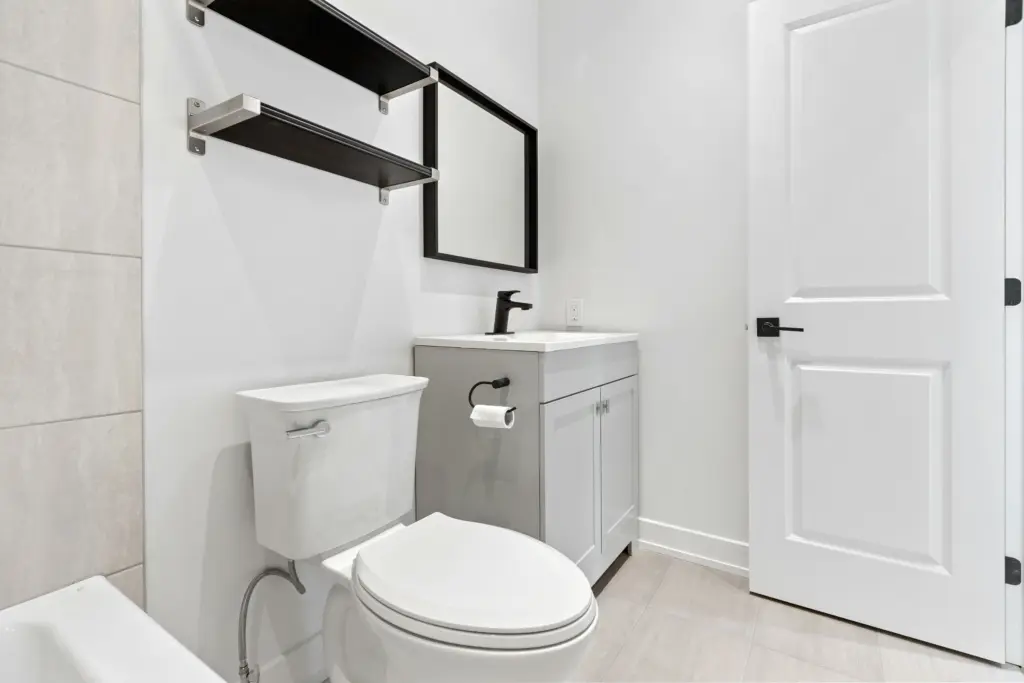
The wax ring forms a watertight seal, keeping odors and leaks at bay. Meanwhile, the flange stabilizes the toilet, ensuring a firm connection to the drain pipe. The supply line plays a crucial role by consistently providing water to the tank. Proper installation and maintenance of these plumbing parts are vital for a leak-free and efficient toilet. By checking these components regularly, homeowners can avoid costly repairs and maintain their plumbing system’s integrity.
Common Toilet Repair Parts and Replacement Tips
Keeping your toilet in top condition may require replacing certain parts over time. Some parts are prone to wear and need regular checks. Understanding common repair parts can save both money and time.
Popular toilet repair parts include:
- Fill Valve: Regulates the water level in the tank.
- Flapper: Prevents leaks between the tank and bowl.
- Flush Handle: Initiates the flushing process.
Replacing a fill valve involves turning off the water supply, draining the tank, and swapping the old valve with a new one. Changing a flapper is simple—remove the old one and snap the replacement into place. Most flush handles attach with a single nut, making them easy to unscrew and replace.
Armed with basic tools, most repairs can be done by DIY enthusiasts. Regular inspections help catch issues early, maintaining your toilet’s efficiency.
How a Toilet Works: Step-by-Step Diagram and Explanation
Understanding the operation of a toilet can assist in effective troubleshooting. The process follows a simple cycle, yet each part plays a crucial role in its function. Visualizing this cycle can make repairs straightforward.
Here’s a step-by-step breakdown:
- Flushing: Lifting the handle pulls the flapper up, releasing water into the bowl.
- Siphoning: Water exits the bowl, removing waste through the trapway.
- Refilling: As the tank empties, the fill valve opens, refilling the tank.
- Sealing: The flapper reseals, stopping water flow from the tank to the bowl.
Each stage requires precise timing and coordination between components. Even a minor issue can disrupt the entire cycle.
A clear diagram reveals the interplay of these parts. By studying this diagram, DIY repairs become much more manageable.
Troubleshooting and Maintenance: Preventing Common Issues
Regular toilet maintenance can avert common problems. Frequent checks ensure optimal performance and extend the toilet’s lifespan. Knowing potential issues helps in addressing them promptly.
Consider these common problems and solutions:
- Running toilet: Adjust the chain or replace the flapper.
- Weak flush: Ensure water level in the tank is correct.
- Leaks: Tighten connections or replace washers.
Preventive measures are key. Inspect seals and flanges for wear. Clean parts regularly to prevent buildup. Addressing small issues early can save time and money in the long run, maintaining your toilet’s efficiency and reducing water waste.
Essential Toilet Supplies for Homeowners
Having the right supplies simplifies toilet maintenance. With these tools, homeowners can efficiently manage repairs.
Consider stocking up on these essential items:
- Plunger: For clearing minor clogs.
- Adjustable wrench: Useful for tightening fixtures.
- Replacement parts: Keep spare flappers and fill valves.
- Cleaning agents: For maintaining hygiene and preventing buildup.
Equipped with these supplies, homeowners can handle most toilet issues with ease. Regular checks and timely repairs can ensure the longevity of your toilet system and maintain its efficient performance.
Conclusion: Empowering DIY Toilet Maintenance
Taking charge of your toilet maintenance can be both empowering and cost-effective. Understanding the essential toilet parts helps simplify troubleshooting and repairs.
By staying informed and having the right tools, homeowners can address minor issues independently. This approach not only saves money but also extends the life of your toilet. Remember, regular maintenance is key to preventing major problems and ensuring a well-functioning system.