Pine vs Oak Flooring: Durability, Cost & Which Wood Floor Is Best
Choosing the right wood flooring can be a daunting task. Pine and oak are two popular options. Each has its own unique characteristics.
Pine is a softwood, known for its rustic charm. Oak, a hardwood, is celebrated for its durability. Both offer distinct advantages.
Understanding the differences between pine and oak is crucial. It helps in making an informed decision. Factors like durability, cost, and style play a significant role.
Pine flooring is often more affordable. It develops a warm, aged look over time. Oak, on the other hand, is more resistant to wear and tear.
This guide will explore the key aspects of pine vs oak flooring. It will help you decide which wood floor is best for your needs.
Understanding Wood Flooring: Pine vs Oak
Wood flooring offers timeless beauty and warmth to any space. Pine and oak are among the top choices for homeowners. Both have distinct attributes.
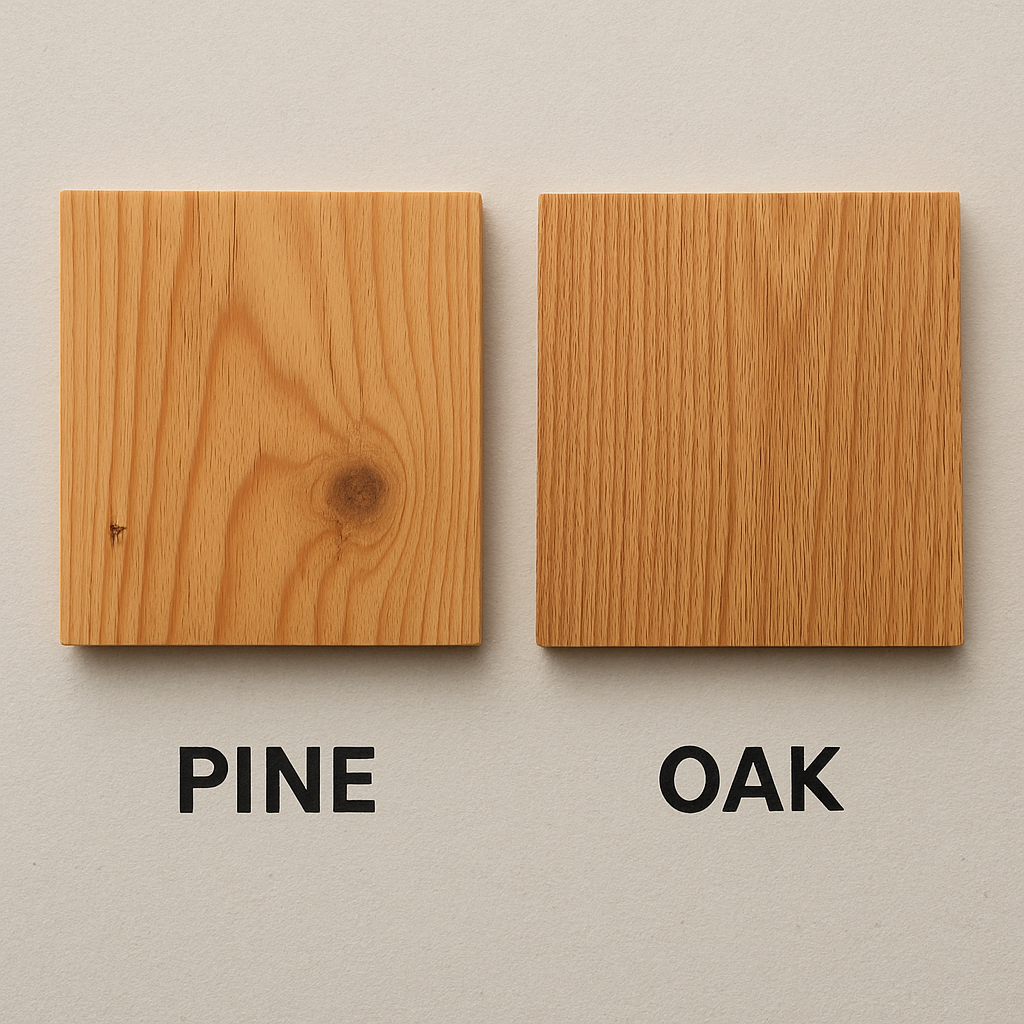
Pine is a softwood, characterized by its warm, natural tones and unique grain patterns. It is often favored for creating a rustic or country-style look. Meanwhile, oak is a hardwood with a reputation for strength and resilience.
Oak boasts a variety of finishes and colors. This makes it versatile and suitable for both modern and traditional designs. Pine, however, remains popular for its affordability and charming imperfections.
When considering wood flooring options, think about these key points:
- Durability: Oak is harder and more durable.
- Cost: Pine is generally less expensive.
- Appearance: Pine is warm and rustic; oak is elegant and classic.
Both types of wood flooring offer unique benefits. Your choice depends on personal preferences, budget, and the specific needs of your space.
Durability and Longevity: Which Wood Lasts Longer?
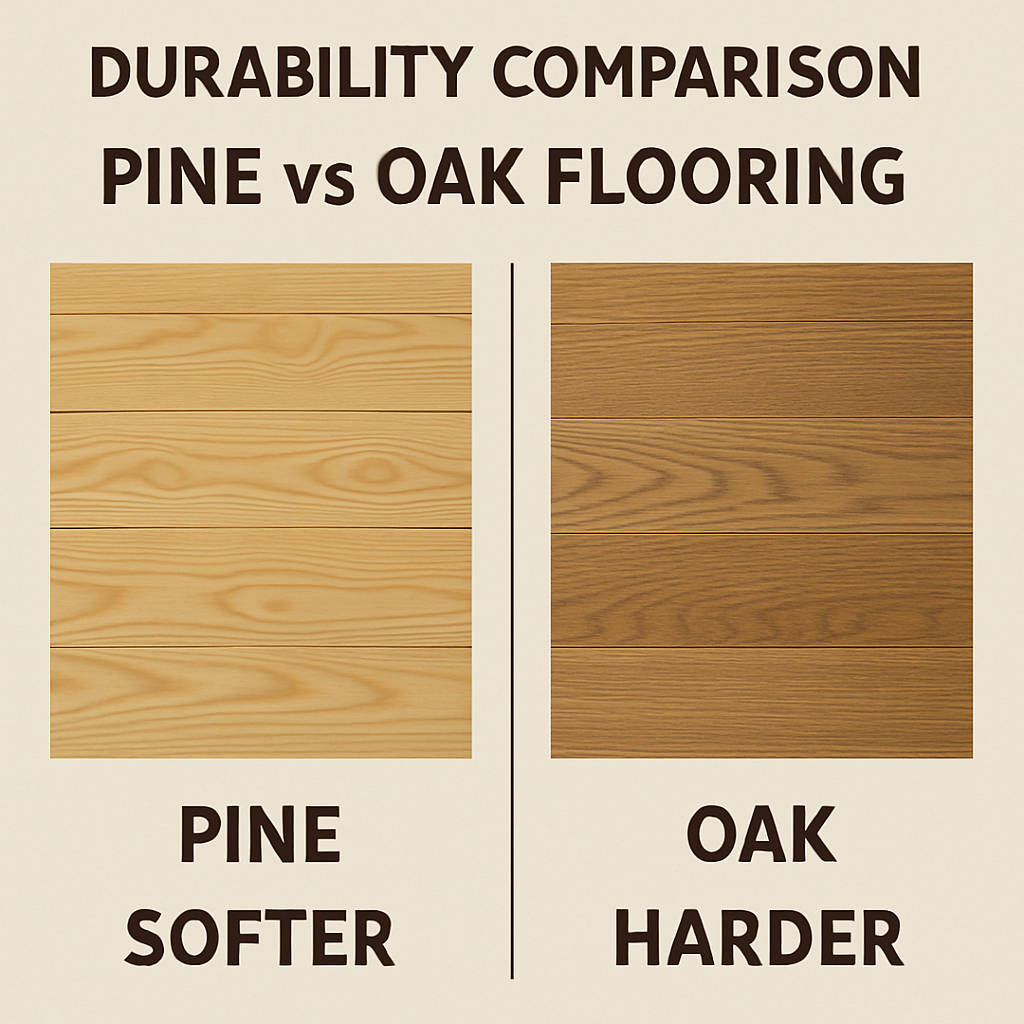
Durability is a crucial factor when selecting wood flooring. Oak, a hardwood, excels in durability compared to pine. Its dense grain structure makes it resistant to dents and scratches.
Pine, being a softwood, shows wear more quickly. It is more prone to damage, especially in high-traffic areas. Yet, this susceptibility adds to its rustic charm, developing a unique, aged patina over time.
The longevity of flooring also depends on maintenance. Oak flooring typically requires less upkeep, maintaining its elegant appearance longer. Pine floors may need more frequent refinishing to address wear marks and preserve their look.
Consider these points when comparing flooring durability:
- Resistance to Scratches: Oak is stronger against scratches.
- Wear and Tear: Pine tends to wear faster.
- Maintenance Needs: Oak requires less maintenance.
Additionally, oak’s resistance to moisture helps prevent warping. This makes it suitable for various environments. Pine’s softer nature may cause expansion and contraction, especially under temperature changes.
For homes with pets or children, oak’s durability is ideal. Pine may work better in less active spaces, where its cozy feel is appreciated.
Ultimately, your flooring choice affects longevity, maintenance, and overall experience.
Cost Comparison: Pine vs Oak Flooring
Cost is often a deciding factor for homeowners. Generally, pine flooring is the more affordable option. This makes it attractive for budget-conscious renovators.
Oak’s higher price reflects its durability and classic aesthetic. It’s seen as a long-term investment that can increase home value. However, the upfront cost can be a deterrent for some.
When comparing costs, it’s essential to consider the total price of materials and installation. Pine’s softer nature can make installation less demanding. Oak, on the other hand, may require more careful handling and precise cutting, impacting installation costs.
Here’s a quick breakdown of cost considerations:
- Material Cost: Pine is less expensive.
- Installation Cost: Oak may incur higher labor costs.
- Long-term Investment: Oak adds more resale value.
While pine offers affordability, oak presents a blend of durability and appeal. Ultimately, the choice depends on your budget and long-term flooring goals. Consider your priorities and budget when making your decision.
Appearance and Style: Grain, Color, and Aesthetic Appeal
The aesthetic qualities of your flooring can define your space’s overall feel. Pine and oak each offer unique visual characteristics.
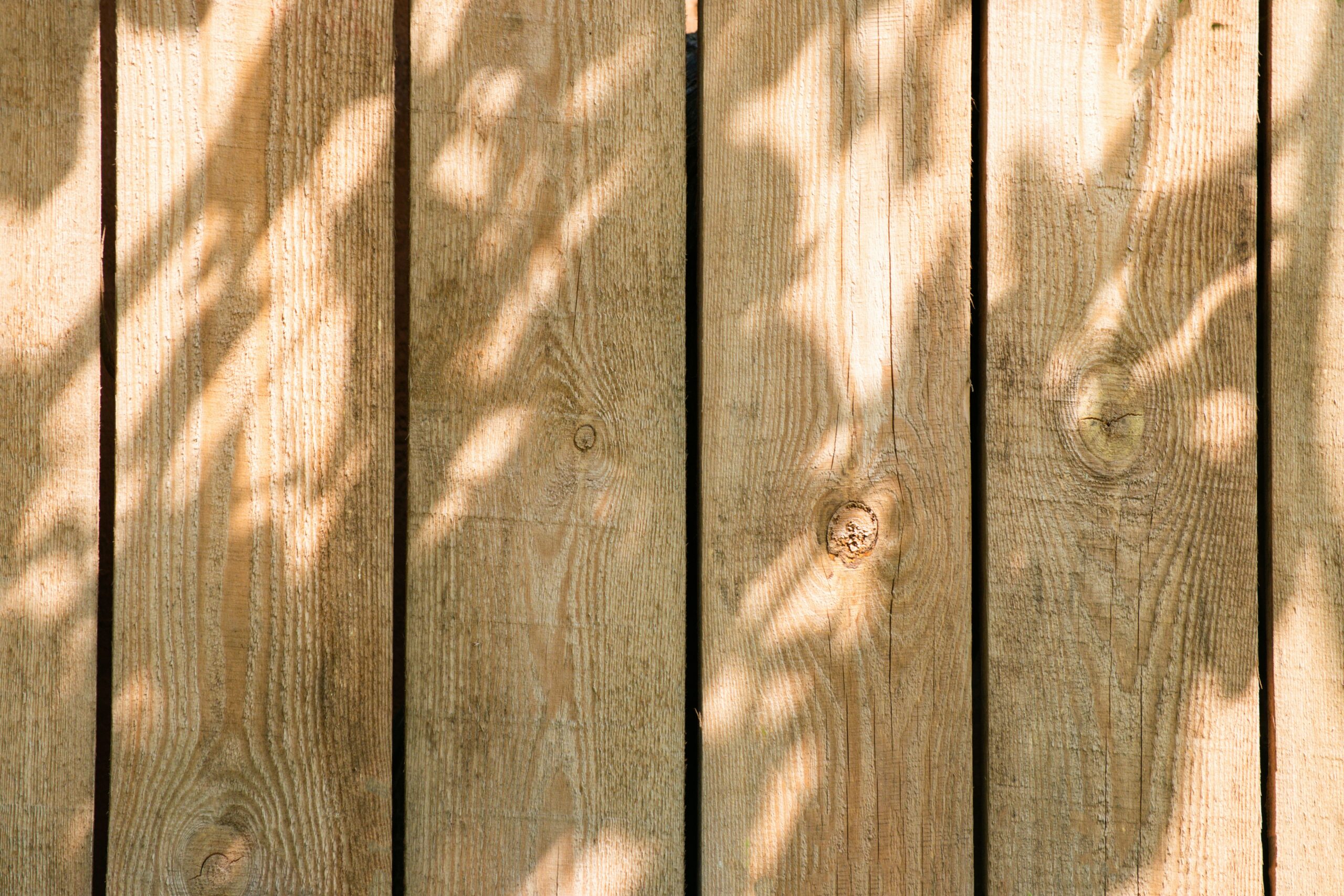
Pine is known for its warm, natural tones. It often features distinctive knots and imperfections. These features contribute to a rustic charm that many find appealing.
Oak, in contrast, is celebrated for its timeless elegance. It offers a range of finishes and colors, from light blond to rich browns, catering to diverse tastes.
Pine Flooring Highlights:
- Natural warmth and rustic appeal
- Unique grain patterns and knotty features
- Complements farmhouse and country styles
Oak Flooring Highlights:
- Classic beauty and elegant look
- Uniform grain with diverse color options
- Suits both traditional and modern interiors
The grain patterns in oak are more pronounced, adding depth and character to a room. Pine offers a more organic, less uniform look, ideal for creating cozy, inviting spaces.
Both wood types can be stained to match your desired design. While oak handles staining evenly, pine can create more varied results, enhancing its natural appeal.
In choosing between pine and oak, consider the tone and mood you want to set. Your floor choice can transform the look and feel of your home.
Maintenance and Care: What to Expect
Maintaining wood flooring involves specific tasks to ensure longevity. Pine and oak differ in maintenance needs.
Pine flooring, being softer, requires more attentive care. Its surface is prone to dents and scratches. Regular sweeping helps prevent dust buildup, which can cause damage.
Oak, by contrast, is more durable. It can withstand heavy use with less need for frequent attention. However, both woods benefit from occasional polishing to maintain their shine.
Key Maintenance Tasks:
- Sweep floors regularly to remove debris.
- Use protective pads under furniture to avoid scratches.
- Apply a protective finish annually to preserve the wood.
Both types of flooring should avoid excessive moisture. Humidity can cause both pine and oak to warp over time. Consider using a humidifier to control indoor moisture levels.
Proper care ensures your wood flooring remains a beautiful and lasting feature in your home. By following these simple steps, you can enjoy your flooring’s natural beauty for years to come.
Installation and Refinishing: Ease and Flexibility
The installation process of wood flooring varies depending on the type of wood. Pine and oak have distinct characteristics affecting installation.
Pine’s softer nature makes it easier to cut and handle. This quality makes pine a great choice for DIY enthusiasts seeking an affordable project.
Oak’s density demands precise tools and skilled installation. Its hardness can pose challenges for those new to flooring projects.
Both types of wood can be sanded and refinished. This ability allows homeowners to extend the life of their floors through renewal.
Installation and Refinishing Tips:
- Ensure the subfloor is level and clean before installation.
- Choose proper tools depending on the wood’s hardness.
- Refinish floors periodically to remove wear and tear.
Both pine and oak offer flexibility and long-term usability. With proper installation and care, either wood can provide decades of service and beauty in your home.
Environmental Impact and Sustainability
Considering the environmental impact of your flooring choice is crucial. Pine and oak differ significantly in sustainability aspects.
Pine trees grow faster, which makes pine flooring a more eco-friendly option. This rapid growth contributes to easier replenishment of forests.
Oak takes longer to mature, meaning more resources are needed to produce oak flooring. This aspect may impact long-term sustainability efforts.
Key Sustainability Factors:
- Pine trees have shorter growth cycles.
- Responsibly sourced pine can be a sustainable choice.
- Oak’s slower renewal rate requires careful forest management.
Both pine and oak can be sustainable when harvested responsibly. Consider factors such as forest management practices and certification labels when making your choice.
Pros and Cons: Pine Flooring
Pine flooring offers a unique blend of advantages and disadvantages. Understanding these can help in making an informed decision.
Pros of Pine Flooring:
- Affordability: Pine is generally cheaper than other wood options.
- Aesthetic Charm: Its rustic look appeals to many design styles.
- Eco-friendly: Fast growth rates make it a sustainable option.
The softer nature of pine also translates into several drawbacks. Being aware of these cons is crucial before choosing pine flooring.
Cons of Pine Flooring:
- Durability Concerns: Prone to dents and scratches due to its softwood properties.
- Maintenance Needs: Requires more upkeep to maintain appearance.
- Sensitivity to Change: More likely to expand or contract with temperature variations.
Pine’s unique benefits and challenges make it suitable for certain environments but less ideal for others.
Pros and Cons: Oak Flooring
Oak flooring is well-loved for its many benefits. However, like any material, it also has some downsides to consider.
Pros of Oak Flooring:
- High Durability: Known for its strength, oak resists wear and tear.
- Timeless Appearance: Oak’s classic style enhances any room.
- Increases Home Value: Its appeal adds real estate value.
Despite these advantages, oak flooring also has a few negatives to weigh before making a decision.
Cons of Oak Flooring:
- Higher Cost: Oak is more expensive than softer woods like pine.
- Installation Complexity: Requires precision due to its hardness.
- Heavy Weight: More difficult to handle during installation.
Choosing oak provides exceptional durability and aesthetic appeal, but these come with certain trade-offs.
Which Wood Floor Is Best for You?
Choosing between pine and oak flooring depends on several factors. Your lifestyle, budget, and design preferences will guide your decision.
If you prioritize affordability and a rustic look, pine might suit your needs. It’s also ideal for those who enjoy a warm and cozy atmosphere.
Oak may be your choice if durability and elegance are paramount. Its ability to withstand heavy use makes it a long-lasting investment.
Factors to Consider:
- Budget
- Desired Style
- Durability Needs
- Environmental Factors
Your ultimate choice should reflect your unique priorities and home environment.
Conclusion: Making the Right Choice for Your Home
Deciding between pine and oak flooring requires careful consideration. Each option offers distinct benefits. Pine is perfect for those who seek charm and affordability, ideal for rustic aesthetics. Meanwhile, oak excels in durability and elegance, appealing to homeowners prioritizing long-term value.
Ultimately, selecting the right wood flooring hinges on your personal needs and preferences. Consider your home’s demands and the environment, ensuring your choice complements your lifestyle.