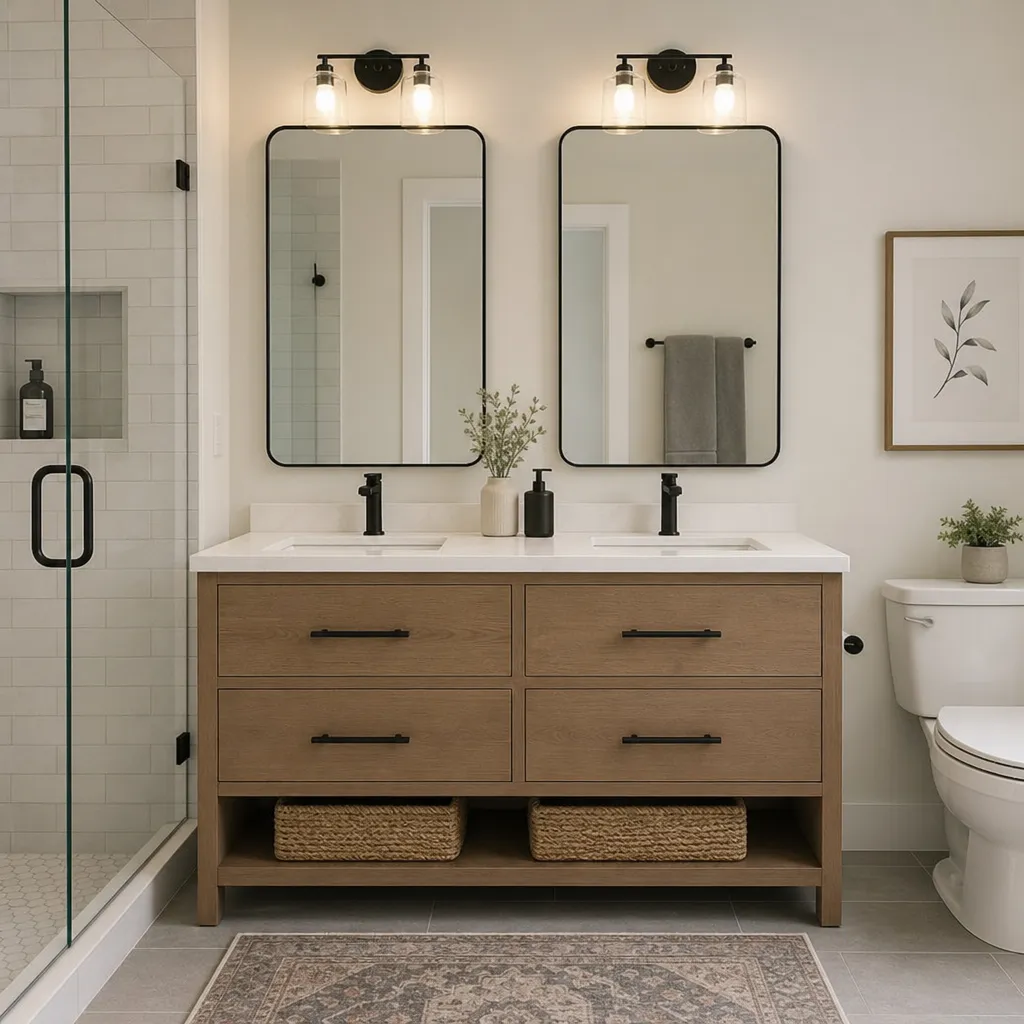
A shower enclosure is one of the few bathroom products that has to be watertight, structurally sound, and visually prominent — all at once. Spec the wrong glass thickness, the wrong door swing, or the wrong finish, and you’re dealing with leaks, binding doors, or a warranty call. This 2026 buyer’s guide covers every decision: enclosure types, glass specs, hardware finishes, sizing, and a B2B checklist for contractors, distributors, and developers sourcing at volume.
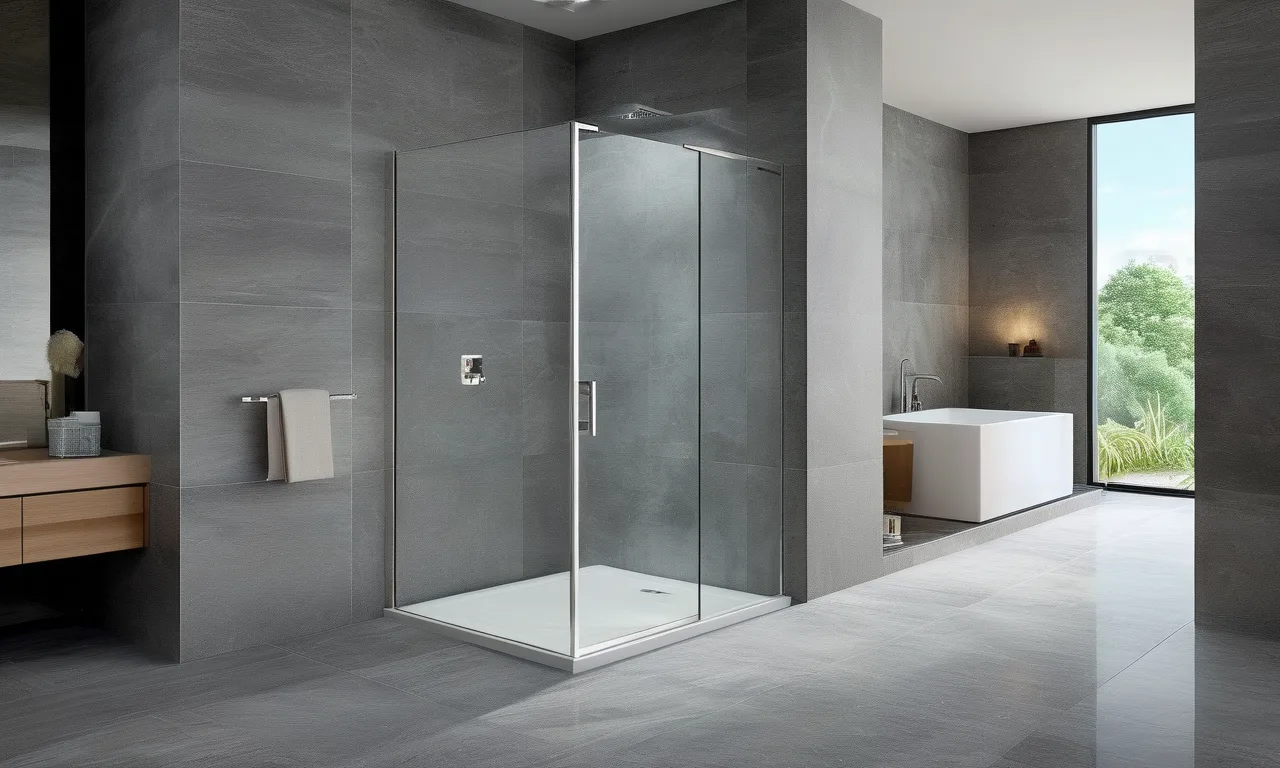
Enclosure Types in 2026
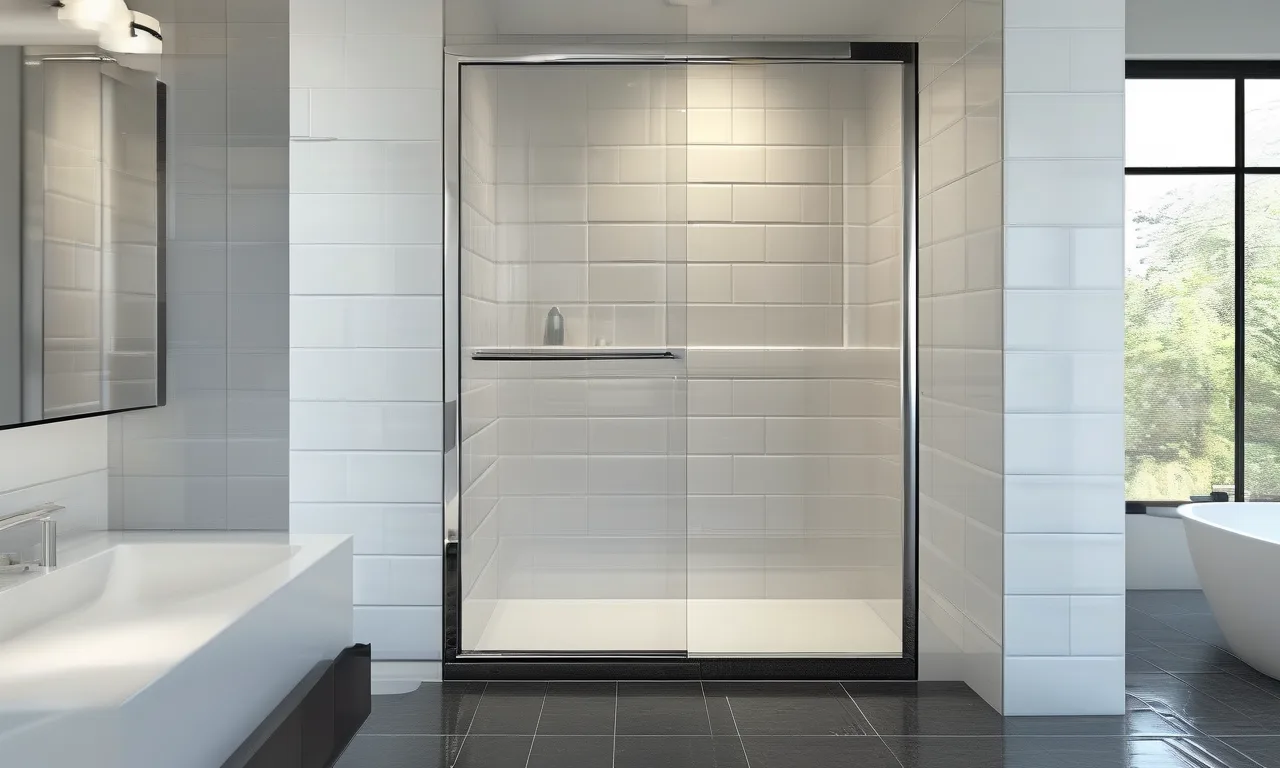
- Framed: aluminium or stainless steel frame around every glass panel. It’s the most affordable, the most leak-resistant (the frame acts as a gasket), and the easiest to install on uneven walls. The downside: frames collect soap scum and look dated in premium specs. Budget projects and rental apartments still default to framed.
- Semi-frameless: framing on the perimeter but not around the door itself — a middle ground that reads cleaner than fully framed while costing less than frameless.
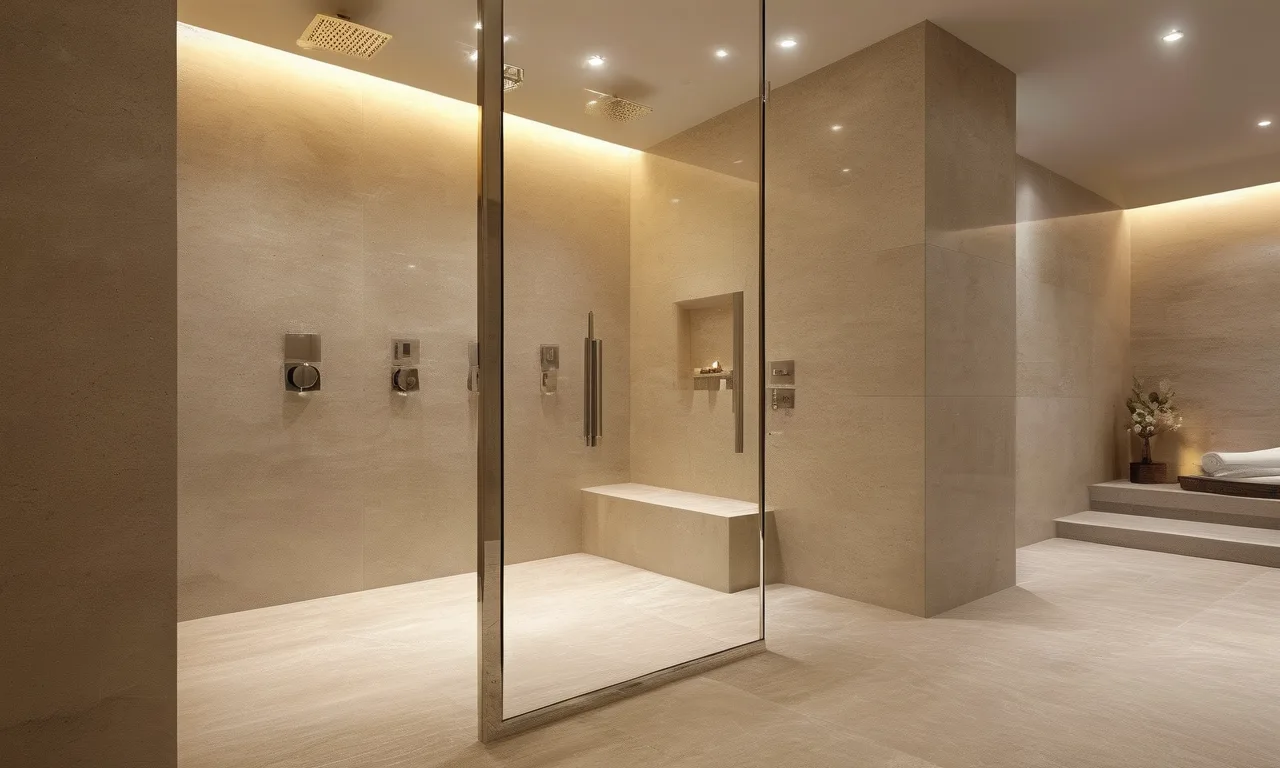
- Frameless: heavy tempered glass (10mm or 12mm) with minimal hardware — hinges, clamps, and handles only. This is the look buyers want in 2026: it makes small bathrooms feel larger and reads premium. The trade-off: it requires perfectly plumb walls, costs more to fabricate and install, and needs thicker glass.
Door Styles
- Sliding / bypass: panels slide on tracks. Space-saving, ideal for tub-shower combos and narrow bathrooms. Best with framed or semi-frameless.
- Pivot / hinged: swings open like a door. Needs clearance (typically 24–30 inches in front). The go-to for frameless walk-in showers.
- Bi-fold: folds inward. Rare in new builds but useful for retrofits where neither sliding nor pivot fits.
- Fixed panel (no door): a single glass panel with a walk-in opening. The minimalist choice — works only in larger showers where splash-out isn’t an issue.
Glass: Thickness, Coating, and Safety
All shower glass must be tempered safety glass — this is non-negotiable and required by code in most markets. Thickness ranges:
- 6mm (1/4 inch): minimum for framed enclosures. Lighter and cheaper but feels thin.
- 8mm (5/16 inch): the residential sweet spot for semi-frameless.
- 10mm (3/8 inch): minimum for frameless. Heavy, solid feel.
- 12mm (1/2 inch): premium frameless. Feels like a luxury hotel.
Glass coating matters as much as thickness. Standard clear glass shows every water spot. ShowerGuard or equivalent factory-applied protective coatings (not aftermarket sprays) resist hard-water etching and soap buildup for years. For B2B buyers, specifying coated glass upfront eliminates a major end-user complaint — it’s worth the 15–25% premium per panel.
Hardware Finishes
- Chrome: the default. Bright, affordable, matches most faucets.
- Brushed nickel: warmer tone, hides fingerprints better than chrome. The most-spec’d finish in 2026 mid-to-premium bathrooms.
- Matte black: high-contrast statement. Pairs well with white subway tile and black-framed mirrors. Growing fast.
- Brass / gold: the luxury option. Works in traditional and art-deco bathrooms.
Sizing and Fit
The enclosure must match the shower base or tiled floor opening exactly. Standard widths: 48, 60, and 72 inches for tub-shower combos; custom widths for walk-in showers. Height is typically 72 inches (6 feet) or 76 inches for taller users. Always measure after tiling, not before — a 1/4-inch discrepancy can mean a door that binds or a gap that leaks.
Shower Enclosure vs Walk-in Shower vs Bathtub
If you’re deciding between a dedicated shower enclosure and a bathtub, our walk-in shower vs bathtub comparison covers the resale-value and space trade-offs in detail. For the broader bathroom design context, the 2026 bathroom ideas guide shows how enclosures pair with vanities, tile, and lighting.
B2B Buyer’s Checklist (Distributors, Contractors, Developers)
- Glass certification: confirm tempered safety glass (ANSI Z97.1 / EN 12150 / AS/NZS 2208) for your target market.
- Coating: factory-applied protective coating vs bare glass — specify upfront; aftermarket sprays are a support headache.
- Hardware warranty: hinges and rollers are the failure points. Look for 5+ year warranty on moving parts.
- Wall condition: frameless requires plumb walls (within 3mm tolerance). Framed tolerates up to 10mm out of plumb.
- MOQ & mix: how many sizes and finishes can combine per container.
- Packaging: glass requires plywood crating with foam separation — never carton-only for sea freight.
- Lead time: Foshan production typically 20–35 days for standard sizes, plus ocean freight.
Why Source Shower Enclosures from a Foshan Manufacturer Like FenSo
As a Foshan building-materials supplier, FenSo manufactures framed, semi-frameless, and frameless shower enclosures with OEM/ODM customization — tempered glass, coated or clear, in chrome, brushed nickel, matte black, or brass hardware. Our bathroom solutions page covers the full range: enclosures, vanities, sanitary ware, and smart bathroom technology — all consolidatable in a single container for project efficiency.
Related Guides
Complete the bathroom spec with our walk-in shower vs bathtub guide, 2026 bathroom ideas, and the bathroom solutions overview.