







“Akıllı banyo” eskiden bir teknoloji vitrini anlamına gelirdi. 2026 yılında ise çok daha pratik bir anlam kazanıyor: su tasarrufu sağlayan, temizlik işini azaltan ve günlük sıkıntıları ortadan kaldıran özellikler. Gerçekten bu teknolojiye geçiş yapan alıcılar, tuvalette bir ekran istemiyor; onlar güvenilirlik, hijyen ve daha düşük bir fatura istiyor. Bu kılavuz, satılan akıllı banyo teknolojilerini toz toplayan teknolojilerden ayırıyor.
Bir Foshan banyo çözümleri tedarikçisi, FenSo her hafta oteller, geliştiriciler ve distribütörler için akıllı özellikleri inceliyor. İşte 2026 yılında alıcıların tercih edeceği özellikler.
2026 Yılında “Akıllı Banyo” Ne Anlama Geliyor?
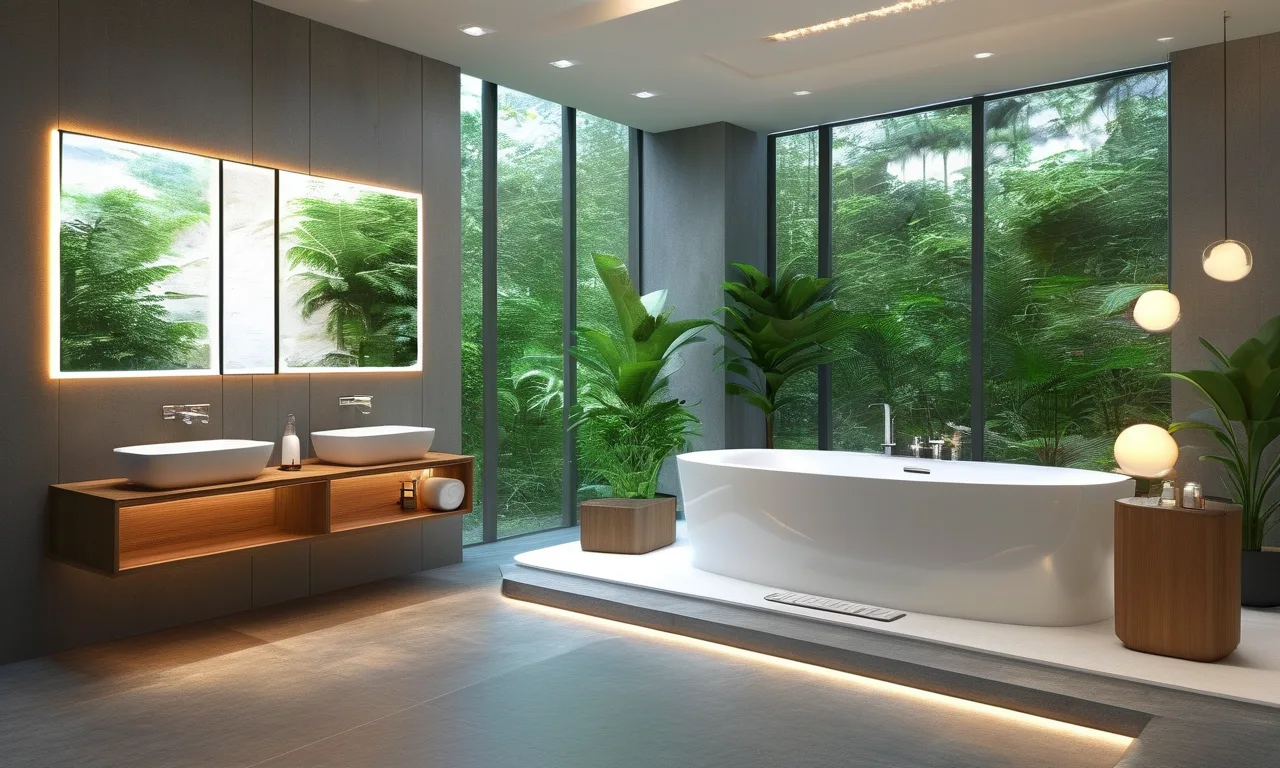
Fütüristik showroom’u unutun. Günümüzün akıllı banyosu, sessiz ve kullanışlı otomasyonlardan oluşan bir sistemdir:
- Hijyen – bideli tuvaletler, kendi kendini temizleyen yüzeyler, dokunmadan çalışan musluklar.
- Konfor – ısıtmalı koltuklar, buğu önleyici aynalar, önceden ayarlanmış duş sıcaklıkları.
- Verimlilik – sızıntı sensörleri, su tasarruflu duşlar, hareket algılamalı aydınlatma.
- Kontrol – Gerçekten zahmeti azaltan uygulama/ses ön ayarları.
1. Akıllı Aynalar – Açık Ara Kazanan
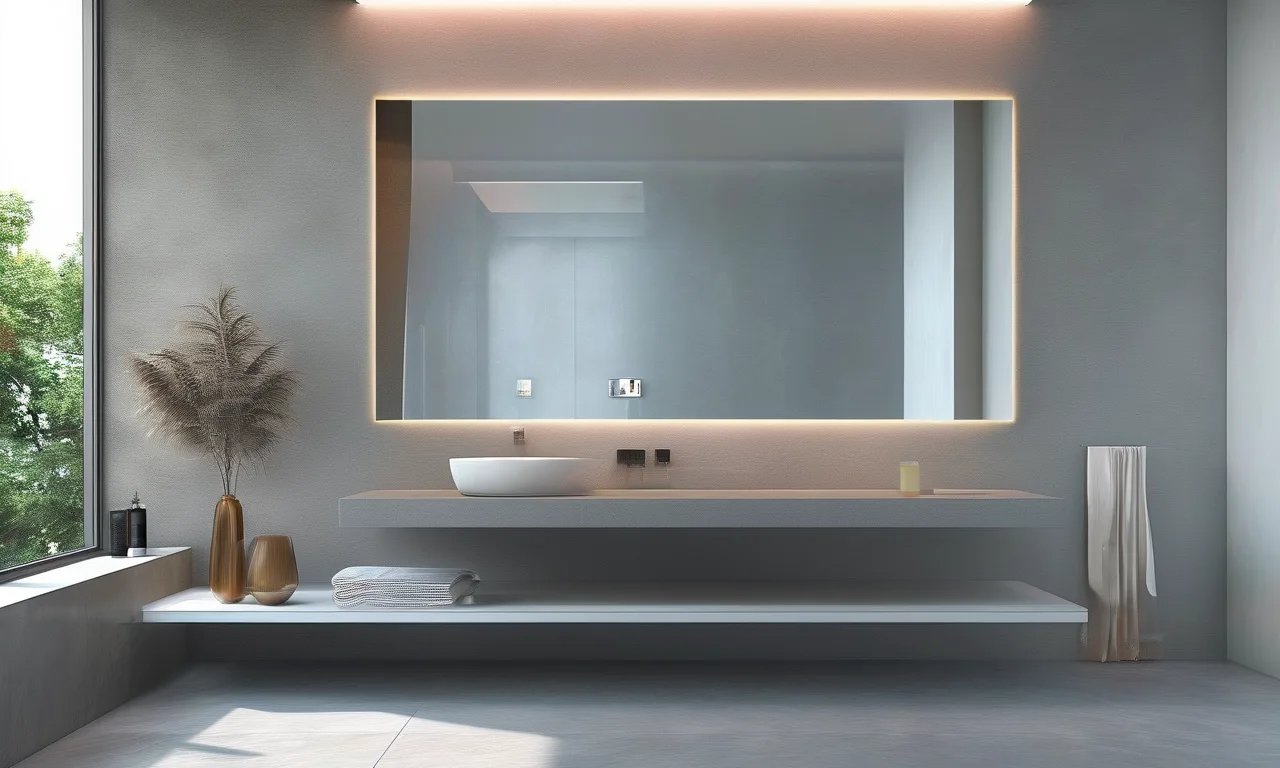
Arkadan aydınlatmalı, buğu önleyici LED aynalar artık standart bir yükseltme seçeneği haline geldi. Dokunmatik ekranlı hava durumu/haber aynaları ise nispeten az talep gören bir ürün grubu olsa da, buğu önleme özelliği ve parlaklığı ayarlanabilir aydınlatma, günlük hayatta karşılaşılan gerçek bir sıkıntıyı ortadan kaldırdığı için iyi satıyor.
- Satın alın: buğu önleyici kaplama, CRI>90 LED, harekete duyarlı gece lambası.
- Atla: Lüks konaklama tesisleri için özel bir talep olmadığı sürece, yerleşik TV/hoparlör.
2. Akıllı Tuvaletler – Hijyen Satışları Artırır
Bide işlevi, ısıtmalı koltuk ve otomatik açılan kapak, alıcıların tercih ettiği özelliklerdir. Kendi kendini temizleyen UV sistemi ve koku giderici ise cazip ek satış seçenekleridir.
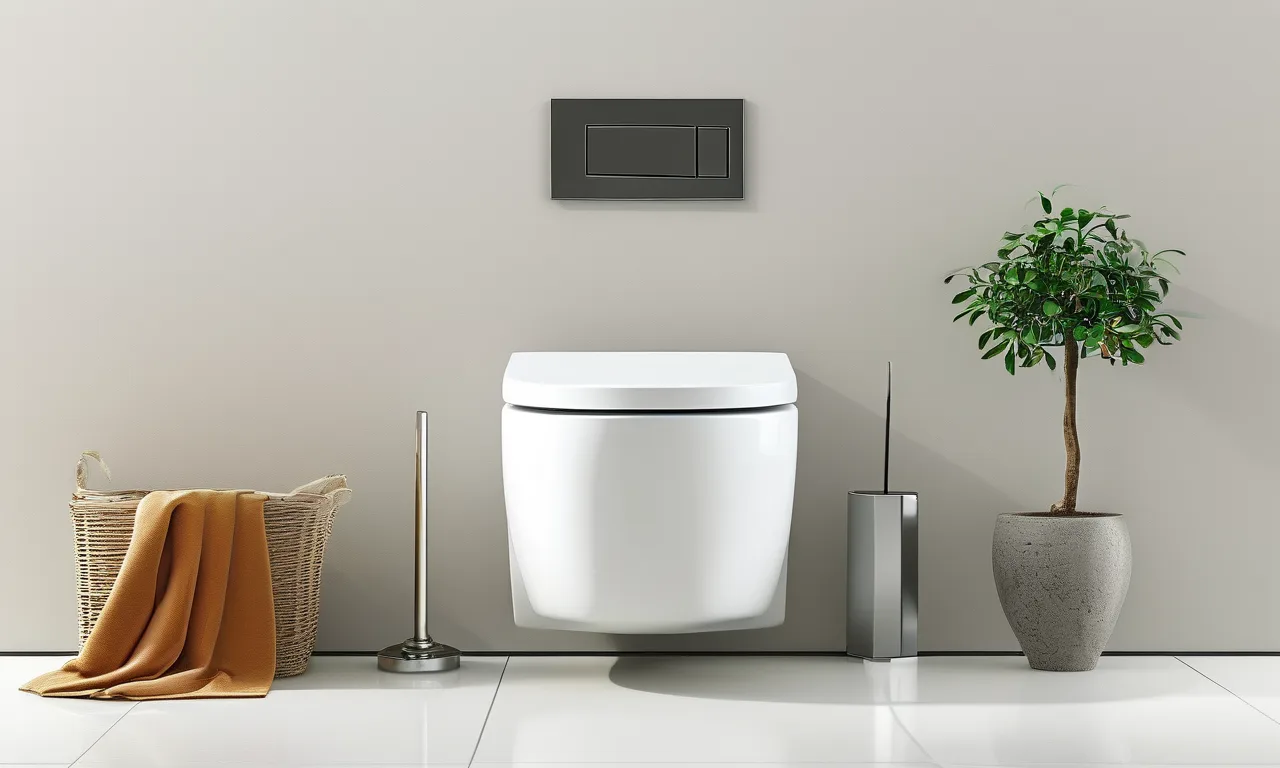
- Satın alın: ayarlanabilir bide, sıcak hava kurutma, koltuk sensörü (kapak gürültüsünü önler).
- İzleyin: Hedef pazardaki elektrik ve su tedarikinin güvenilirliği – bunu kaliteli bir hizmetle birleştirin duvara monte klozet kaba tesisat.
3. Dijital Duşlar – Verimlilik + Deneyim
Kullanıcı başına ön ayarları olan termostatik dijital vanalar, haşlanma riskini ve su israfını azaltır. Su kıtlığı yaşanan pazarlarda bu, bir lüks değil, ürünü diğerlerinden ayıran bir özelliktir.
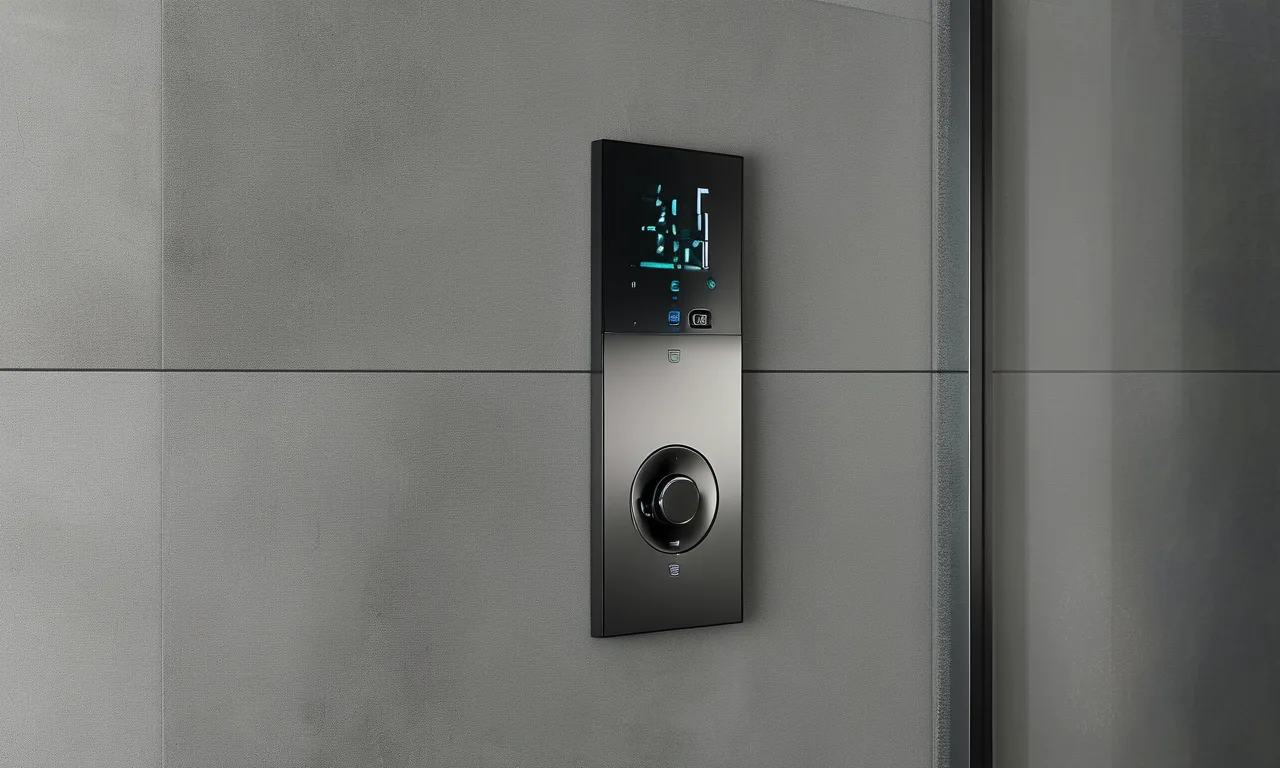
- Satın alın: önceden ayarlanmış sıcaklıklar, duraklatma/devam ettirme, akış göstergesi.
- Atla: Nemli kıyı bölgelerindeki binalar için yağmur ve buhar kombinasyonları (küf riski).
4. Bağlantılı Kontroller – Kullanışlı, Gösteriş Amaçlı Değil
Uygulama/sesli kontrol, pratik işlevler sunduğunda anlam kazanır: sızıntı uyarıları, kullanım raporları, tatil modu. Sırf bağlantı olması için bağlantı, ürünün iade edilmesine giden en hızlı yoldur.
Alıcıların Gerçekte Ne İstediği ve Neyi Göz Ardı Ettiği
| Özellik | Almalı mıyım, yoksa almamalı mıyım? | Neden |
|---|---|---|
| Buğulanmayan LED ayna | Satın al | Günlük sıkıntıları ortadan kaldırır |
| Akıllı bide tuvalet | Satın al | Hijyen + konfor |
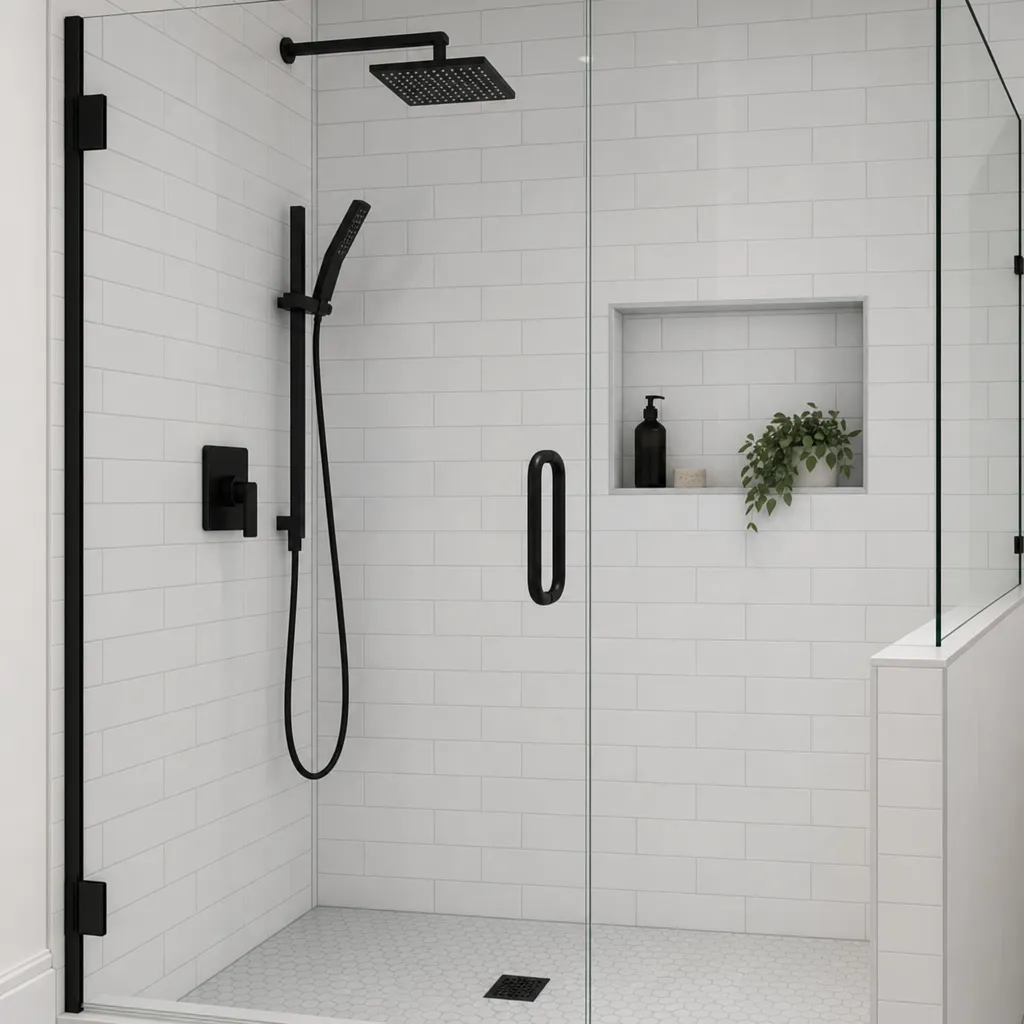
| Dijital duş ayarı | Satın al | Su tasarrufu + güvenlik |
| Sızıntı sensörü | Satın al | Felaket niteliğindeki hasarları önler |
| Aynalı TV / hoparlör | Atla (çoğunu) | Gösteriş amaçlı, düşük yatırım getirisi |
| Her şey için ses | Atla | Sürtünme > fayda |
Ticari Bakış Açısı: Oteller ve Kiralık Konaklama Yerleri
Konaklama sektöründe, akıllı banyolar makul bir maliyetle algılanan puanı artırır: buğu önleyici aynalar ve bide özellikli tuvaletler lüks bir izlenim yaratırken, sızıntı sensörleri tesisi korur. Daha geniş bir pazar perspektifi için, lütfen 2026 Akıllı Banyo Pazarı Analizi ve Banyo dolabı satın alma rehberi.
Sık Sorulan Sorular
2026 yılında akıllı bir banyo kurmaya değer mi?
Evet – eğer pratik özellikleri tercih ederseniz (buğu önleyici ayna, bideli tuvalet, dijital duş, sızıntı sensörü). Ekranları ve her şey için sesli komut gibi gereksiz özellikleri es geçin.
Hangi akıllı özellik en çok satıyor?
Buğulanmayan LED aynalar ve bide özellikli tuvaletler öne çıkıyor; her ikisi de günlük sorunları çözüyor ve karmaşıklık yaratmadan lüks bir izlenim bırakıyor.
Akıllı banyolar su tasarrufu sağlar mı?
Dijital termostatik duşlar ve sızıntı sensörleri bu işlevi yerine getirir – önceden ayarlanan değerler, ısıtma sırasında boşa harcanan suyu azaltır ve sızıntıları erken aşamada tespit eder.
Akıllı tuvaletler güvenilir mi?
Modern cihazlar, istikrarlı elektrik ve su kaynağıyla birlikte kullanıldığında güvenilirdir; kaliteli bir tesisat hazırlığı ve güvenilir bir marka tercih edin.
Sonuç
2026’da akıllı banyo teknolojisi, ölçülü yaklaşımı ödüllendiriyor: Su tasarrufu sağlayan, temizlik işini azaltan ve kullanım kolaylığını artıran özellikler, alıcıların para ödediği unsurlar. Buğulanmayan aynalar, bide özellikli tuvaletler, dijital duşlar ve sızıntı sensörleri gibi özelliklere odaklanın; diğer cihazları ise showroom raflarında bırakın.
Akıllı banyo projesi için teknik özellik belirliyor musunuz? FenSo’nun B2B ekibiyle iletişime geçin FOB fiyatlandırmasına tabi akıllı ayna, akıllı tuvalet ve dijital duş numuneleri için.