The cabinet door style is the single biggest visual decision in a kitchen – and for most buyers it comes down to two options: shaker vs flat panel. Shaker (recessed-panel) reads classic and versatile; flat panel (slab) reads modern and minimal. This 2026 comparison breaks down style, cost, durability, and cleaning so you can spec the right door for your market.
As a Foshan kitchen-cabinet manufacturer, FenSo builds both profiles for distributors worldwide. Here is the practical read we give buyers.
What Is a Shaker Cabinet Door?
Shaker is a five-piece door with a flat center panel recessed inside a raised frame. Its clean, proportioned look has stayed in style for centuries because it pairs with almost any hardware and color.
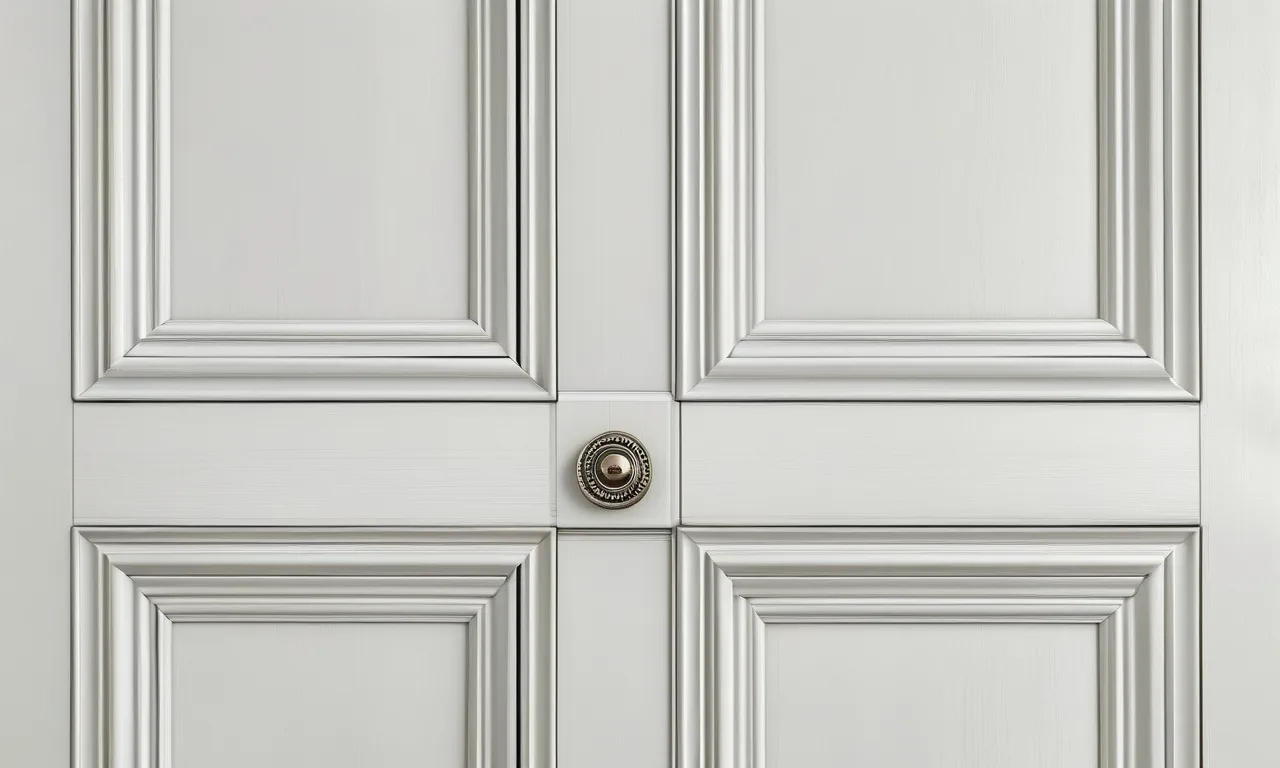
- Look: classic, transitional, farmhouse, traditional.
- Strength: the frame hides minor warping; forgiving with wear.
- Best for: broad-market appeal and resale-safe specing.
What Is a Flat Panel (Slab) Cabinet Door?
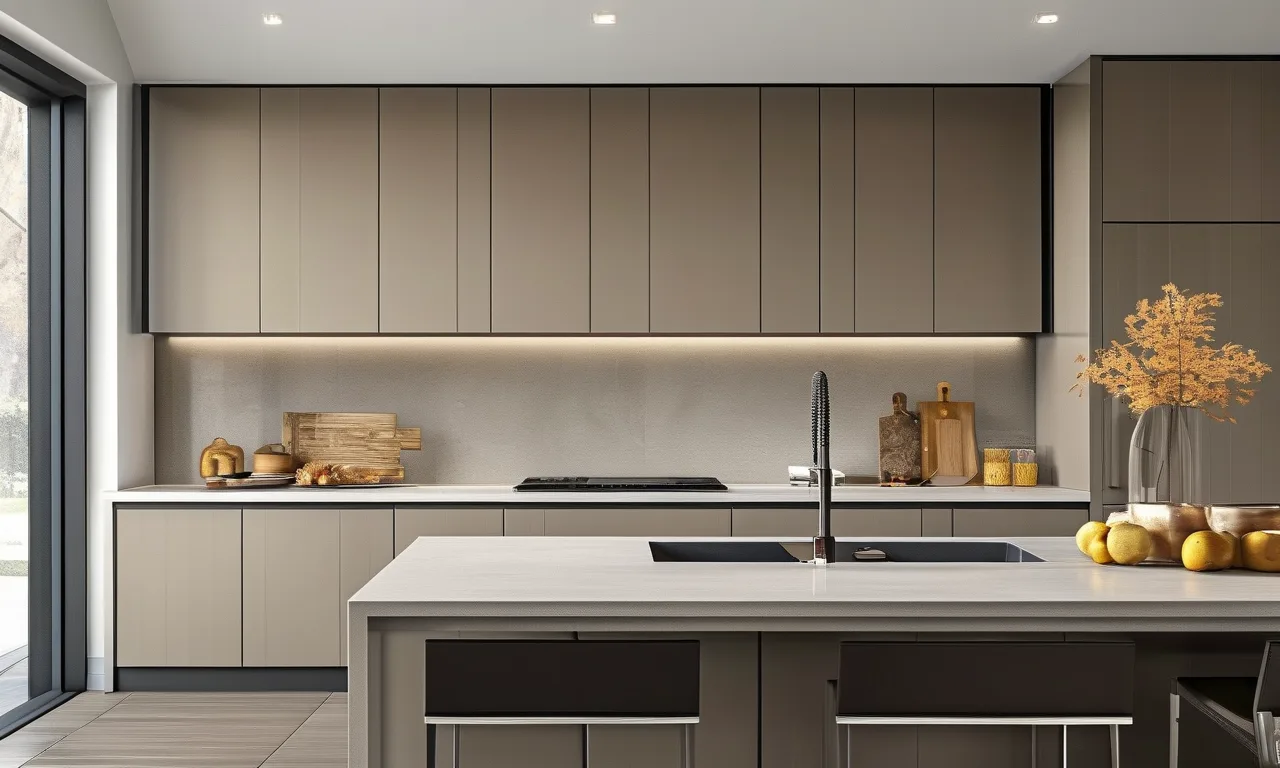
A flat panel – or slab – door is a single seamless surface with no recess or frame. It is the signature of modern, minimalist, and handle-less kitchens.
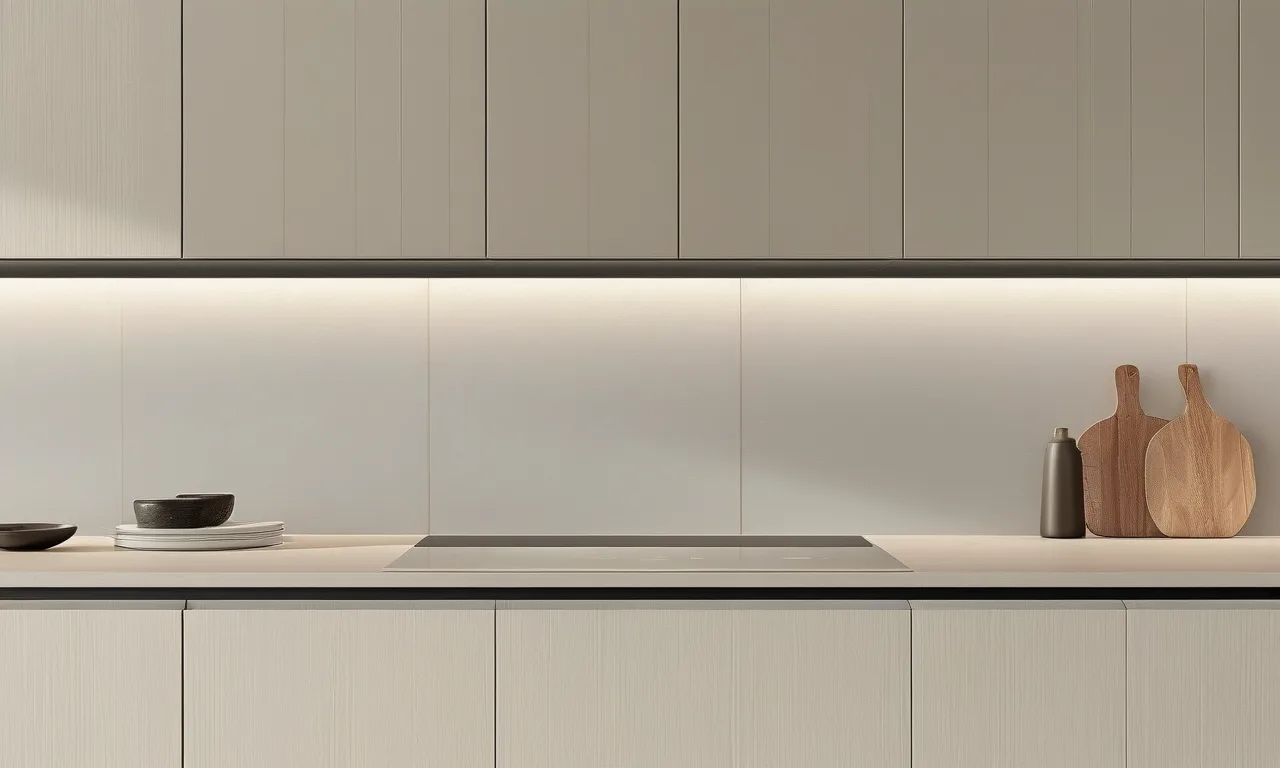
- Look: modern, sleek, contemporary, European.
- Strength: easiest surface to clean; fewer crevices.
- Best for: urban, new-build, and design-led projects.
Shaker vs Flat Panel: Comparison Table
| Factor | Shaker | Flat Panel (Slab) |
|---|---|---|
| Style | Classic / transitional | Modern / minimalist |
| Relative cost | $ (simpler to produce) | $$ (needs flawless flat surface) |
| Durability | Frame hides minor defects | Shows dents/scratches more |
| Cleaning | Recess needs a quick wipe | Easiest – one flat surface |
| Resale / broad appeal | Higher (safe default) | Niche / design-led |
| Hardware | Knobs or pulls both work | Handle-less or minimal pulls |
Cost & Durability Reality
Shaker is generally cheaper to produce because the recessed panel tolerates minor substrate imperfections. Flat panel demands a perfectly flat, high-quality surface – any dent or seam shows, so material grade matters more. For rental or high-traffic spec, shaker’s frame is the more forgiving choice; for a showpiece modern kitchen, flat panel wins on looks.
Cleaning & Maintenance
Flat panel is the clear winner for cleaning – one continuous surface, no groove to trap grease. Shaker’s recess needs a quick wipe but is not high-maintenance. In grease-heavy or commercial kitchens, flat panel is the pragmatic pick.
How to Choose by Kitchen Type
- Rental / flip – shaker: safe, broad appeal, lower cost.
- New-build / urban – flat panel: matches modern buyer expectations.
- Two-tone projects – shaker pairs cleanly with contrasting colors; see our two-tone kitchen combinations.
- Custom storage focus – either profile works with smart uppers; see our custom kitchen uppers guide.
For alternative builds, our wholesale aluminum kitchen cabinets guide covers slab-style modern options too.
FAQ
Are shaker cabinets more expensive than flat panel?
Usually the opposite – shaker is cheaper to produce because the recessed panel hides minor imperfections. Flat panel needs a flawless surface, raising material grade cost.
Which looks more modern?
Flat panel (slab) is the modern, minimalist look. Shaker reads classic/transitional and suits broader tastes.
Which is easier to clean?
Flat panel – one seamless surface with no groove. Shaker’s recess needs only a quick wipe but has more edges.
Do flat panel cabinets show scratches more?
Yes – any dent or seam is visible on a flat surface, so specify a higher-grade board and careful handling.
Conclusion
Shaker vs flat panel is a style-and-budget call, not a quality one: shaker delivers classic broad appeal and better value; flat panel delivers modern minimalism and easiest cleaning at a slightly higher surface-grade cost. Spec to your buyer’s taste and market, and both will perform for a decade.
Spec-ing a cabinet line? Talk to FenSo’s B2B team for shaker and slab door samples, material grades, and FOB pricing.
Related: kitchen cabinets manufacturer China