The countertop is the hardest-working surface in a kitchen. It takes heat, knives, spills, and daily cleaning — and it’s also the most visible design element buyers fixate on. Get it right and the kitchen sells itself. Get it wrong and you’re fielding warranty calls about stains, cracks, and seams. This 2026 guide compares the six countertop materials that matter for B2B buyers, distributors, and contractors — quartz, granite, marble, solid surface, sintered stone, and laminate — across cost, durability, and maintenance.
Countertop Materials Compared
Quartz (Engineered Stone)
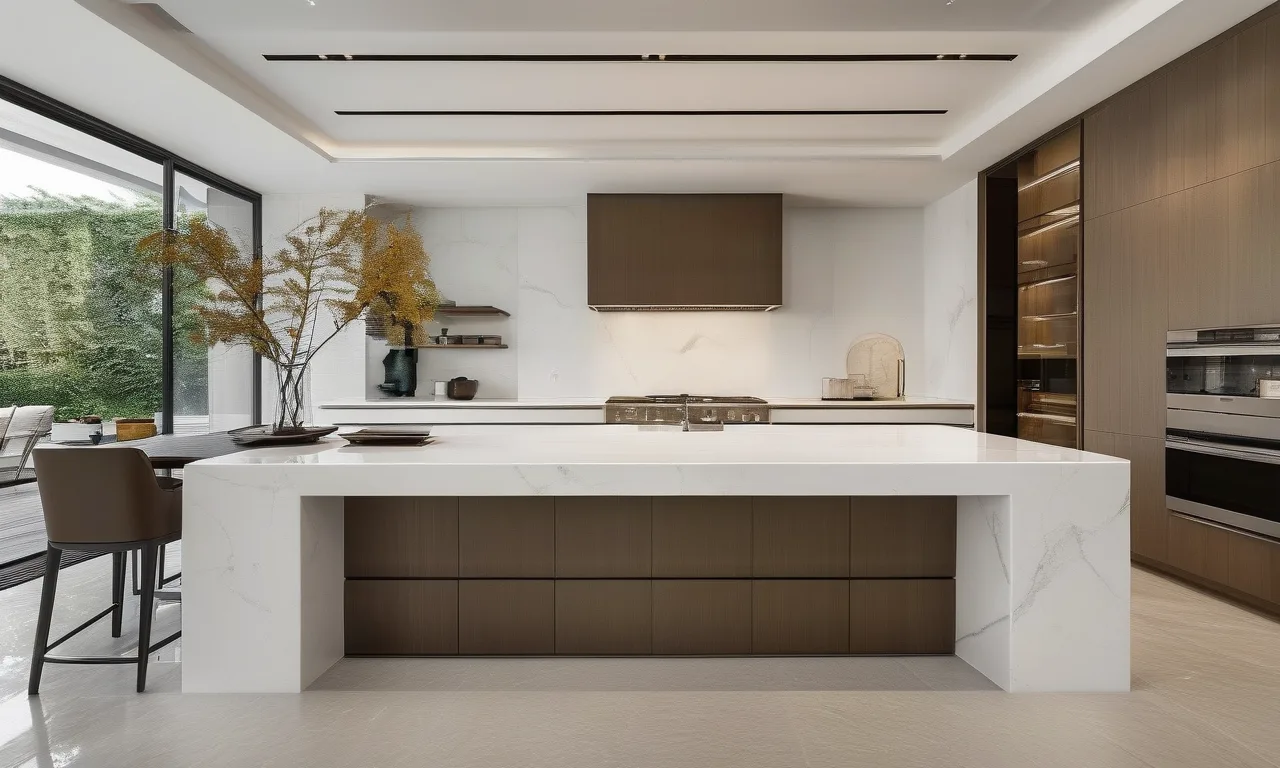
Quartz is the dominant mid-to-premium countertop material in 2026. It’s roughly 90–95% natural quartz bonded with resin and pigment, which gives it a uniform look and non-porous surface. No sealing required. It resists stains, heat (up to ~150°C), and scratches better than natural stone. Available in matte, honed, and polished finishes. The catch: it’s heavy, requires professional fabrication, and direct UV exposure can fade darker colours — keep it indoors. B2B pricing lands between USD 45–90 per sq ft fabricated, depending on brand (Caesarstone, Silestone, HanStone) and thickness.
Granite
Natural granite is quartz’s older sibling — each slab is unique, which is either a selling point or a consistency problem depending on your project. It’s highly heat-resistant (pans straight from the hob are fine) and scratch-resistant, but it’s porous: it needs sealing every 12–18 months or it will absorb oil, wine, and water. Darker granites are denser and lower-maintenance; lighter granites stain more easily. Fabricated cost runs USD 40–85 per sq ft. It still sells well in traditional and transitional kitchens, especially in Gulf markets where buyers associate natural stone with luxury.
Marble
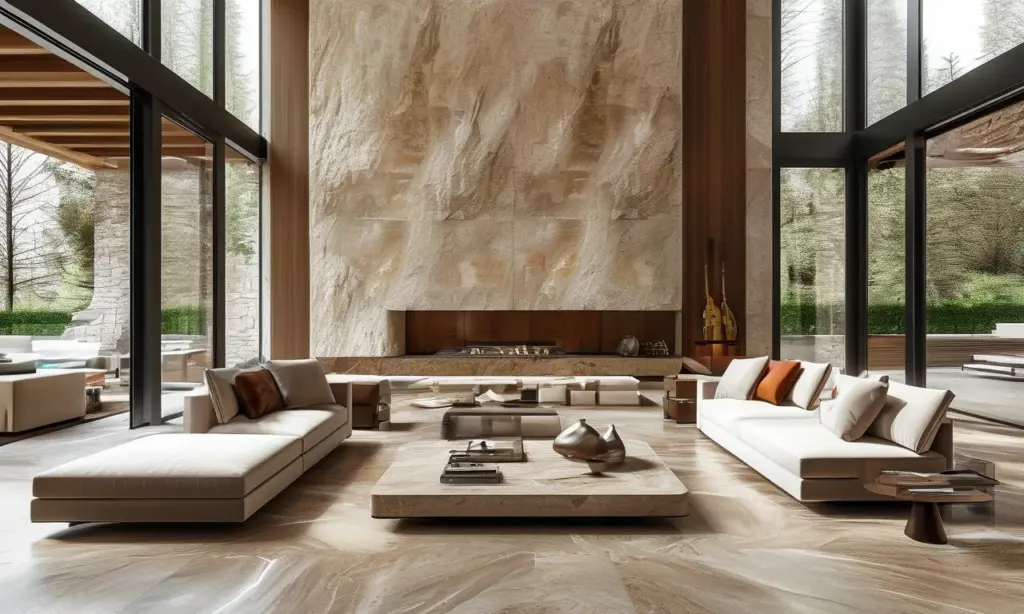
Marble is the look that sells — Carrara, Calacatta, and Statuario remain aspirational. But it’s the highest-maintenance option: it etches on contact with acidic liquids (lemon, vinegar, wine), stains easily, and scratches. It’s best reserved for low-use islands, baking stations, or show-kitchens where the buyer accepts the patina. Our flooring and marble solutions page covers slab sourcing for larger projects. Fabricated cost: USD 60–120+ per sq ft.
Solid Surface (Corian, Hi-Macs)
Acrylic-based solid surface is the sleeper option for commercial and healthcare kitchens: it’s non-porous, repairable (scratches can be sanded out), and can be thermoformed into seamless curves and integrated sinks. It doesn’t handle heat well — hot pans will scorch it. Cost runs USD 35–70 per sq ft fabricated. It’s also the go-to for reception desks and lab benches, making it a crossover product for FenSo’s project clients.
Sintered Stone (Dekton, Neolith)
Sintered stone is the newest category — it’s made by mimicking the geological process that creates natural stone, using extreme heat and pressure on porcelain clays. The result: UV-proof, scratch-proof, and heat-proof up to 300°C. It can be used outdoors (BBQ counters, pool surrounds) and in thin 4–6mm slabs for vertical cladding. It’s premium (USD 70–120+ per sq ft) and growing fast in high-end residential and hospitality specs.
Laminate
Laminate (Formica, Wilsonart, Fenix) has come a long way from 1990s beige. Modern high-pressure laminate (HPL) offers realistic wood, stone, and concrete looks at a fraction of the cost. It’s lightweight, easy to fabricate, and available in antimicrobial grades for healthcare. It doesn’t handle heat (use trivets) and can’t be repaired if deeply scratched, but at USD 10–25 per sq ft it’s the budget workhorse for rental apartments, student housing, and value-engineered projects. See our LVP vs laminate vs engineered wood guide for a similar material decision framework applied to flooring.
Quick Comparison Table
| Material | Cost/sq ft (fab.) | Heat | Stain | Scratch | Sealing | Best for |
|---|---|---|---|---|---|---|
| Quartz | $45–90 | Good | Excellent | Excellent | None | Mid-premium residential, B2B volume |
| Granite | $40–85 | Excellent | Moderate | Excellent | Yearly | Traditional kitchens, Gulf markets |
| Marble | $60–120+ | Good | Poor | Moderate | Yearly | Show kitchens, baking stations |
| Solid Surface | $35–70 | Poor | Excellent | Repairable | None | Healthcare, commercial, seamless designs |
| Sintered Stone | $70–120+ | Excellent | Excellent | Excellent | None | Outdoor, luxury, thin cladding |
| Laminate | $10–25 | Poor | Good | Poor | None | Rental, student housing, budget projects |
B2B Buyer’s Checklist
- Fabrication partner: countertops are cut and edged locally — find a reliable fabricator near your project before ordering slabs.
- Slab size: quartz and sintered slabs typically run 3,200 × 1,600 mm (jumbo) or 3,050 × 1,440 mm (standard). Check your island dimensions against slab size to avoid unnecessary seams.
- Edge profile: eased, bullnose, mitred (for waterfall), and ogee all affect fabrication cost and lead time.
- Thickness: 12mm, 20mm, or 30mm. 20mm is the residential default; 12mm is used for vertical cladding and budget projects.
- Certifications: NSF/ANSI 51 (food zone), GREENGUARD (low VOC), and CE marking — confirm for target markets.
- MOQ & shipping: slab shipping requires crating and container consolidation; work with a supplier who can bundle countertops with cabinets for project efficiency.
Pairing Countertops with Cabinets
Countertops and cabinets are a single purchasing decision in most projects. Our kitchen cabinets manufacturer page covers the cabinet side of the spec, and the Dubai & UAE kitchen cabinets guide shows how Gulf projects combine quartz tops with handleless two-tone cabinetry. As a Foshan building-materials supplier, FenSo consolidates cabinet and countertop sourcing in a single container — saving freight and simplifying project logistics for overseas distributors and contractors.
Related Guides
For the full kitchen spec, see our kitchen cabinets manufacturer guide, the flooring & marble solutions page, and the LVP vs laminate vs engineered wood comparison.