Choosing the right flooring for your home is one of the most impactful design and financial decisions you will make. With so many modern options available, homeowners frequently find themselves caught in a three-way tie between luxury vinyl plank (LVP), laminate, and the highly sought-after category of premium flooring: engineered wood flooring.
Each of these materials brings a unique set of benefits to the table. Whether you need a 100% waterproof solution for a damp lower level, a budget-friendly DIY option, or the unmistakable elegance of real hardwood, understanding the nuances of these materials is crucial.
In this comprehensive guide, we will break down the differences in cost, waterproof performance, durability, and installation requirements to help you choose the perfect floor for your home.
1. Meet the Contenders: LVP, Laminate, and Engineered Wood
Before diving into the detailed comparisons, let’s define exactly what you are looking at when evaluating these three popular flooring types.
- Luxury Vinyl Plank (LVP): Made primarily from synthetic materials like PVC vinyl, LVP is designed to mimic the look of natural wood. The best luxury vinyl plank flooring incorporates rigid core technology (like SPC or WPC), providing exceptional durability and dimensional stability.
- Laminate Flooring: Laminate is a synthetic flooring product fused together with a lamination process. It features a photographic appliqué layer under a clear protective layer. Its core is typically made from high-density fiberboard (HDF).
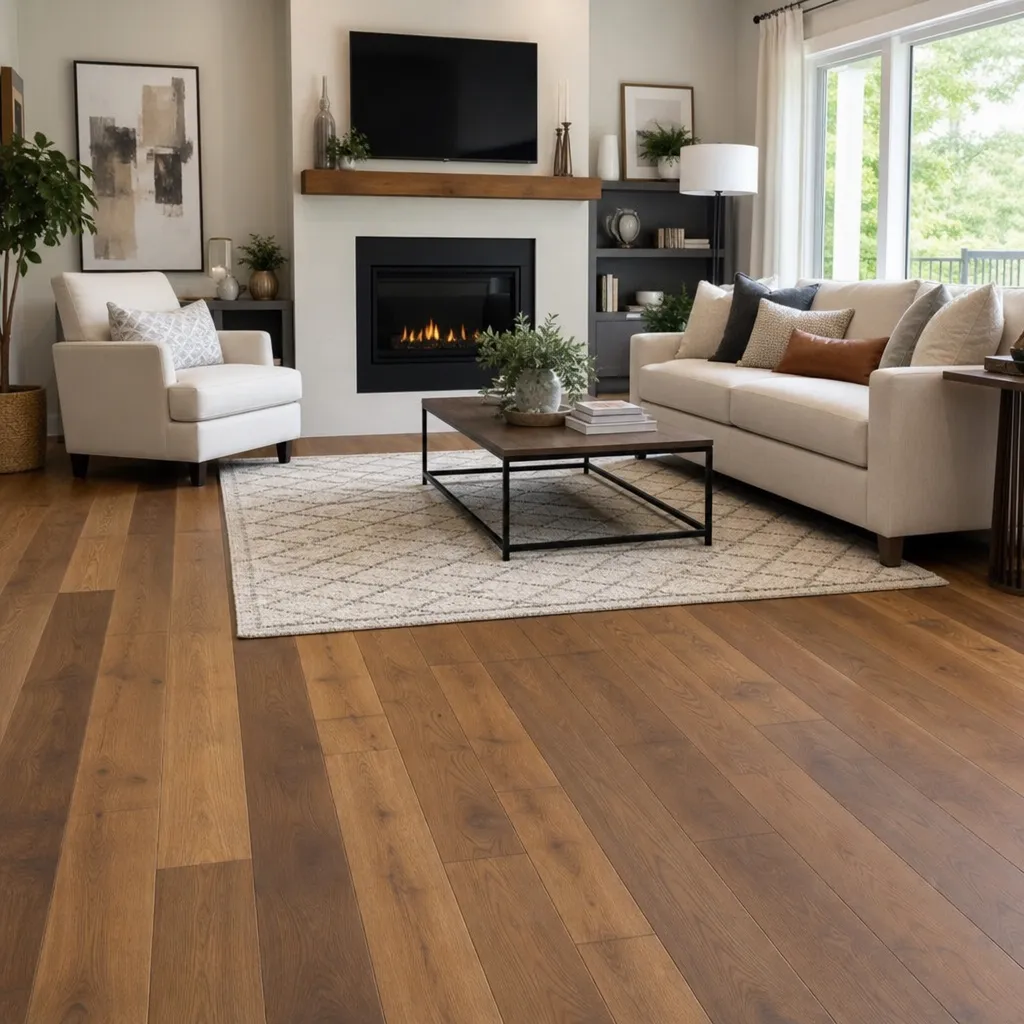
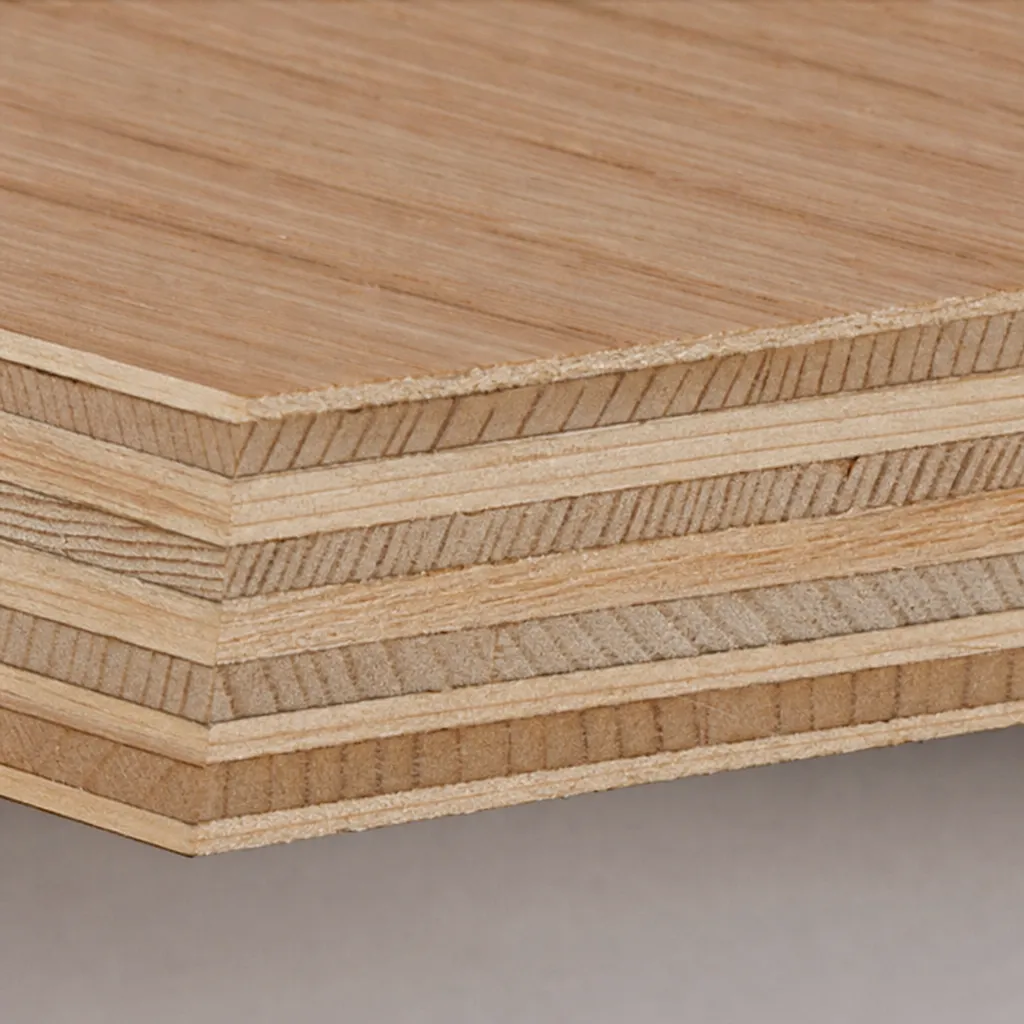
- Engineered Wood Flooring: Unlike LVP or laminate, engineered wood flooring features a top layer of 100% genuine hardwood. This top veneer is bonded to a core made of high-quality plywood or HDF. It offers the exact look and feel of solid hardwood but with enhanced structural stability.
2. Cost Comparison: What to Expect for Your Budget
Budget is often the deciding factor in any home renovation. Let’s break down the financial investment for each option.
Luxury Vinyl Plank Cost
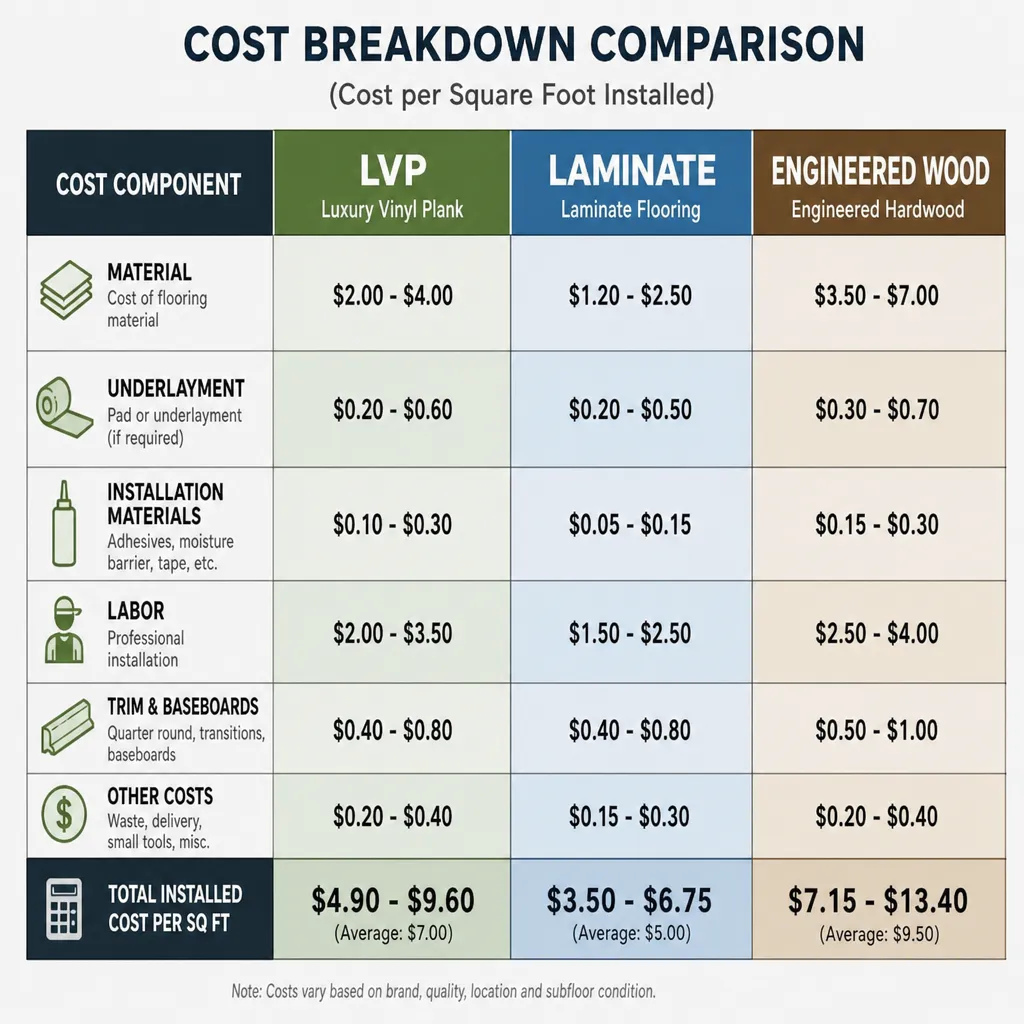
The total luxury vinyl plank flooring cost typically ranges from $2 to $7 per square foot for the materials. Because it is highly DIY-friendly, you can often save significantly on installation labor. Premium lines with attached cork underlayment and ultra-realistic textures will sit at the higher end of this price spectrum.
Laminate Flooring Cost
Laminate remains the reigning champion for budget-conscious homeowners. Materials usually range from $1 to $5 per square foot. However, cheaper laminates can look artificial and may not hold up well in high-traffic areas.
Engineered Wood Flooring Cost
Engineered wood is a premium product, and its pricing reflects that, generally ranging from $4 to $12 per square foot. When evaluating engineered vs solid hardwood cost, engineered wood often comes out ahead. Solid hardwood is not only more expensive to purchase but also notoriously costly and time-consuming to install. Engineered wood gives you the prestige of real wood at a more accessible price point and with cheaper, faster installation options.
3. Waterproof Performance and Moisture Resistance
Water is the natural enemy of most flooring. How do these three materials hold up against spills, pet accidents, and humidity?
The Undisputed Champion: LVP
Luxury vinyl plank is completely synthetic and 100% waterproof. Puddles, humidity, and accidental spills will not warp, swell, or destroy LVP.
The Contender: Laminate
Historically, laminate has been highly susceptible to water damage because its fiberboard core acts like a sponge. Today, manufacturers boast about new technologies, prompting many consumers to search for a true laminate wood floor waterproof solution. While modern “water-resistant” laminates have tightly sealed locking systems and water-repellent coatings that can withstand topical spills for up to 24 hours, they will still warp if water penetrates the seams or reaches the subfloor.
The Natural Beauty: Engineered Wood
Because the top layer is real wood, engineered floors are not 100% waterproof. However, they are significantly more stable than solid hardwood. The moisture resistance of multi-layer construction means that engineered wood is less prone to expanding and contracting with seasonal changes. To protect your investment, you must maintain appropriate indoor climates; the maximum humidity levels for wood floors should ideally be kept between 35% and 55%.
4. Basement Installation Guide: Overcoming Below-Grade Challenges
Basements are notoriously tricky environments for flooring due to concrete subfloors, potential moisture seepage, and fluctuating temperatures.
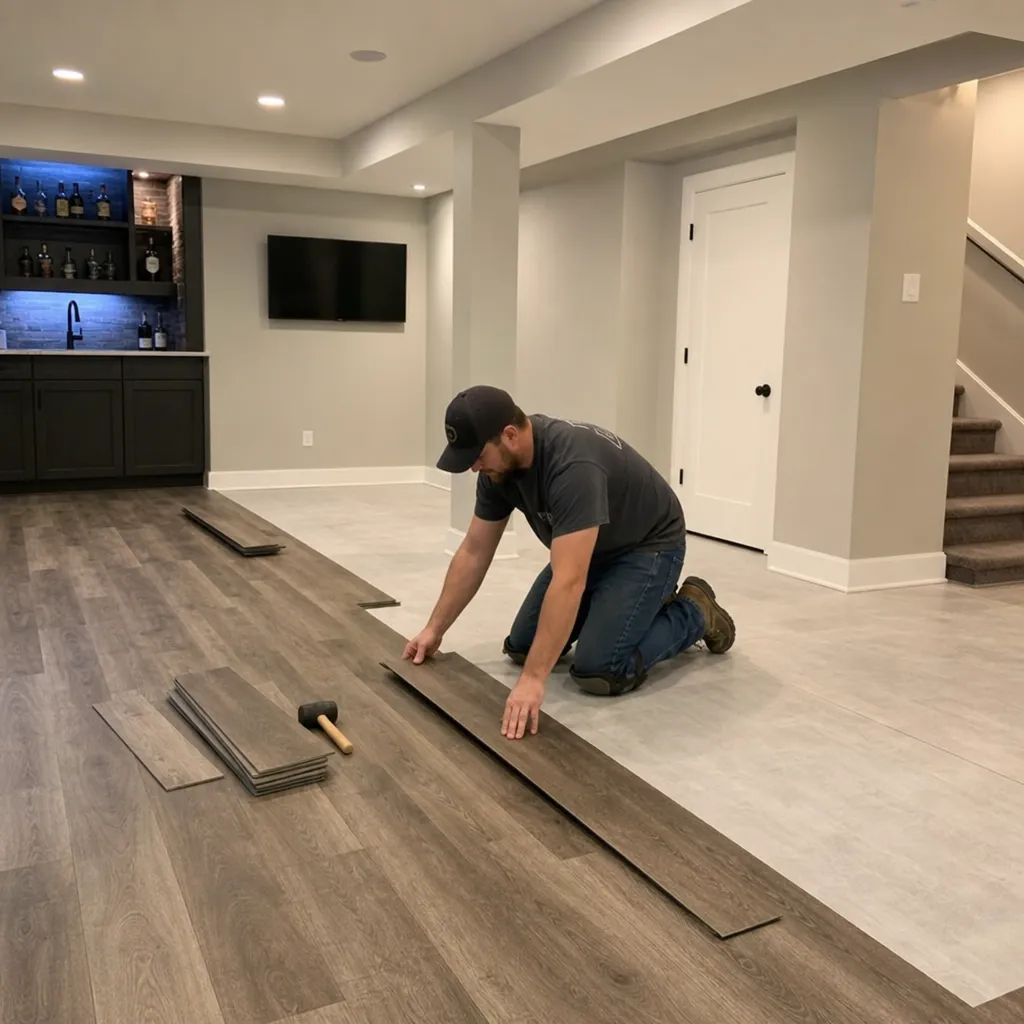
When finishing a lower level, luxury vinyl plank basement flooring is universally recommended by contractors. Because it is fully waterproof and features a rigid core, it can be installed directly over concrete without fear of mold, mildew, or warping.
Can you use engineered wood in a basement? Yes, but with caveats. Because of the structural integrity of cross-grain layers in its core, engineered wood can be installed below grade (unlike solid hardwood). However, you must meticulously prepare the concrete subfloor, utilize a high-quality moisture barrier, and ensure your basement is rigorously climate-controlled to prevent the veneer from peeling or the core from swelling.
5. A Deep Dive into Engineered Wood Flooring
If you have your heart set on the authenticity, warmth, and resale value of real wood, engineered flooring is an exceptional choice. Here are the key technical aspects you need to understand before buying.
Core Construction: Plywood vs. HDF
The stability of an engineered floor depends heavily on its core. When comparing plywood core vs hdf core stability, plywood generally wins in environments with fluctuating moisture. High-density fiberboard (HDF) provides great impact resistance and is highly uniform, but traditional crisscrossed plywood cores excel at preventing the wood from shifting, bowing, or cupping.
Wood Hardness and Durability
When looking at laminate versus engineered wood durability, it’s a tale of two surfaces. Laminate features a scratch-resistant aluminum oxide wear layer that is incredibly tough against dog claws and dropped toys. Engineered wood, on the other hand, relies on the natural hardness of the wood species and its factory finish.
To gauge durability, refer to the Janka hardness scale for wood species. For example, Hickory (Janka rating 1820) and White Oak (1360) are much harder and more dent-resistant than Walnut (1010).
Veneer Quality and Refinishing
The top layer of real wood (the veneer) dictates the floor’s lifespan. You will often see a choice between residential vs commercial grade veneer. Commercial grades have thicker veneers and more robust finish warranties.
If you plan to live in your home for decades, pay close attention to the wear layer thickness for refinishing. A veneer of 1mm to 2mm cannot be sanded down; it can only be recoated. For a floor that can be sanded and fully refinished like solid hardwood, look for a wear layer that is at least 3mm to 5mm thick.
Health and Convenience Factors
One of the major benefits of prefinished wood planks is that they are stained and sealed in a factory under strict environmental controls. This means no messy sanding, no lingering fumes, and a much tougher finish than can be applied on-site.
Furthermore, high-quality engineered floors prioritize your family’s health. Always look for low VOC flooring for indoor air quality. Certifications like FloorScore or GREENGUARD Gold ensure that the adhesives used in the multi-layer construction do not off-gas harmful chemicals into your home.
6. Installation Insights and Methods
While hiring a professional is always a safe bet, modern flooring systems are increasingly designed with the ambitious DIYer in mind.
The Floating Floor Method
Both LVP and laminate are predominantly installed as floating floors. Many engineered hardwood options now feature this technology as well. Here is a brief click-lock floating floor installation guide:
- Preparation: Ensure your subfloor is clean, flat, and dry.
- Underlayment: Roll out an appropriate underlayment (if your planks do not have an attached pad) to dampen sound and provide a moisture barrier.
- Expansion Gaps: Use spacers to leave a 1/4 to 1/2-inch expansion gap around the perimeter of the room. Wood and synthetic materials need room to expand.
- Click and Lock: Start in a corner, working left to right. Insert the tongue of the new plank into the groove of the previous one at an angle, then fold it down until it clicks securely into place.
- Stagger Joints: Ensure end joints are staggered by at least 6 to 8 inches from the previous row to maintain structural stability and a natural look.
Radiant Heating Compatibility
A common question among homeowners upgrading their heating systems is: can you install engineered wood over radiant heat? The answer is generally yes, but you must follow manufacturer guidelines strictly. Because engineered wood is dimensionally stable, it handles the heat much better than solid hardwood. However, the surface temperature of the floor should typically never exceed 85°F (29°C), and floating installations are often preferred over nail-down methods to allow the floor to expand and contract freely with the heat.
7. Maintenance, Care, and Repair
Protecting your investment ensures your floors look beautiful for decades.
Cleaning Protocols
Knowing how to clean engineered hardwood floors properly is vital.
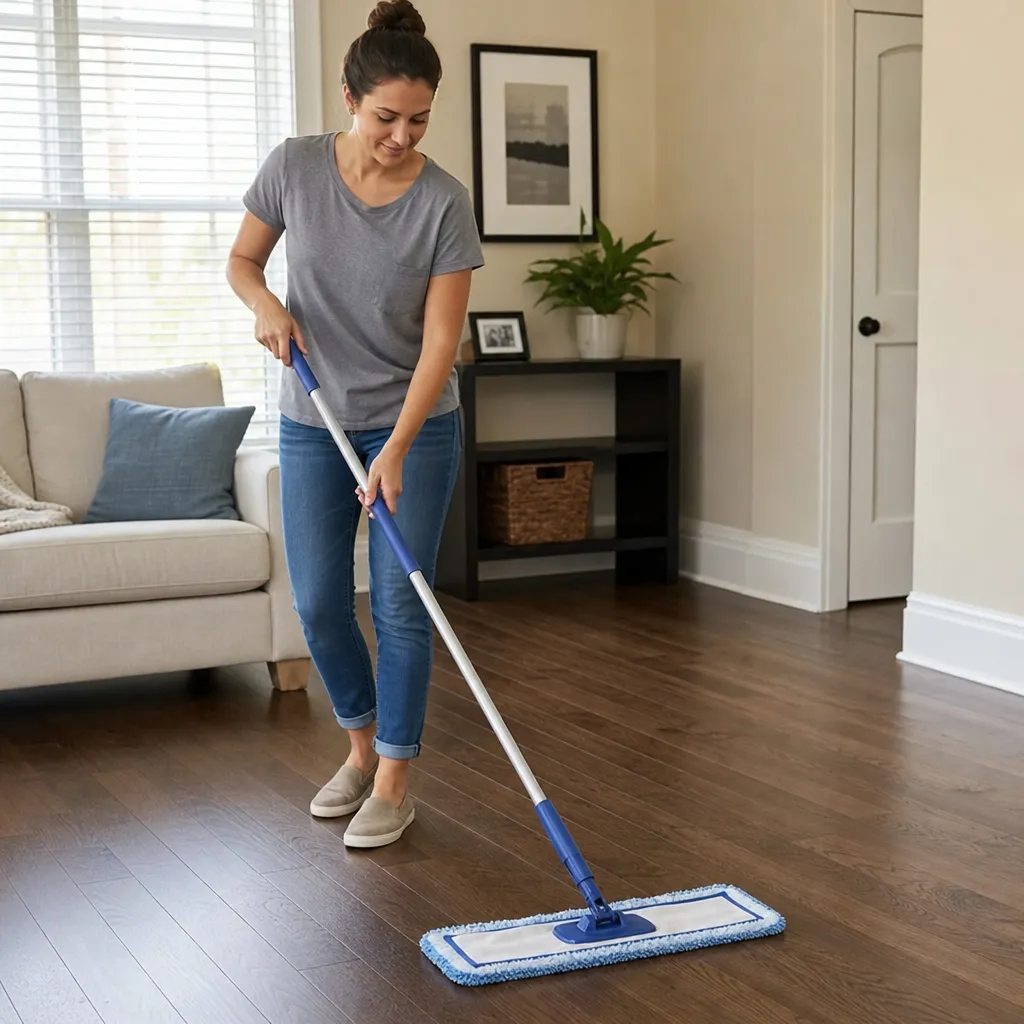
- Do not use wet mops or steam cleaners. The intense heat and moisture can force water into the seams, damaging the core and clouding the finish.
- Sweep or vacuum regularly. Use a vacuum with a soft-bristle attachment (turn off the beater bar) to remove dirt and grit that can act like sandpaper on the finish.
- Use pH-neutral cleaners. Lightly mist a microfiber mop with a cleaner specifically formulated for hardwood floors.
LVP and laminate are slightly more forgiving, but steam mops should still be avoided on laminate to protect the HDF core. LVP can easily be cleaned with a damp mop and mild vinyl floor cleaner.
Addressing Damage
Accidents happen, and over time, floors will show wear. Repairing scratches in engineered wood depends on the depth of the damage.
- Surface scuffs: Often buff out easily with a microfiber cloth and a specialized wood floor restorer.
- Light scratches: Color-matching wood stain markers or blending pencils can effectively hide minor blemishes.
- Deep gouges: Wood putty or wax repair kits can fill deep holes. If a single plank is severely damaged, floating installations make it relatively easy to unclick the floor and replace the specific board.
Conclusion: Making the Right Choice for Your Home
Choosing between luxury vinyl plank, laminate, and engineered wood comes down to balancing your budget, lifestyle, and the specific environment of your rooms.
- Choose Luxury Vinyl Plank if you need an indestructible, 100% waterproof floor for basements, bathrooms, or homes with heavy pet traffic.
- Choose Laminate if you want the most budget-friendly, scratch-resistant option for living rooms or bedrooms and are willing to handle spills immediately.
- Choose Engineered Wood if you want the unmatched aesthetic, feel, and resale value of authentic hardwood, combined with the modern stability required for varied climates or over radiant heat.
By understanding the distinct advantages of each material—from the structural integrity of multi-layer wood cores to the cost-effectiveness of modern synthetics—you can confidently invest in flooring that will elevate your home’s design and functionality for years to come.
Related: flooring supplier China