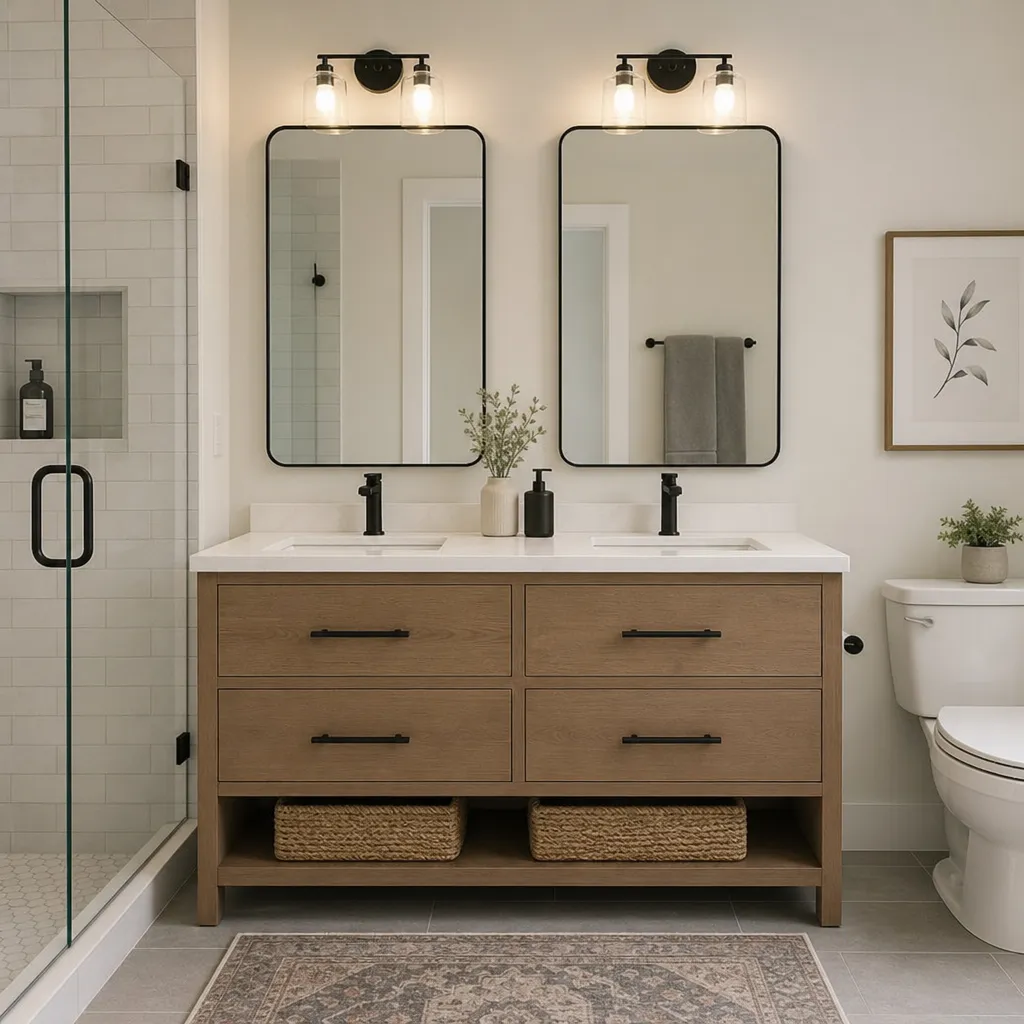
Choosing the right toilet seat can be a surprisingly important decision. It affects both comfort and bathroom aesthetics.
Two popular options are wood and plastic toilet seats. Each has its own set of benefits and drawbacks.
Wood toilet seats are known for their classic look and warm feel. They add a touch of elegance to any bathroom.
Plastic toilet seats, on the other hand, are often more affordable and versatile. They come in a variety of colors and styles.
Comfort and durability are key factors when deciding between wood and plastic. Wood seats tend to be heavier and sturdier.
Plastic seats are lighter and often easier to clean. They resist moisture and stains better than wood.
Your choice may depend on personal preference, budget, and bathroom style. Both options have their unique appeal.
In this article, we will explore the differences in detail. This will help you make an informed decision.
Quick Comparison: Wood vs Plastic Toilet Seats
Choosing between wood and plastic toilet seats can be challenging. They each have unique characteristics. Understanding their differences is essential for making the right choice.
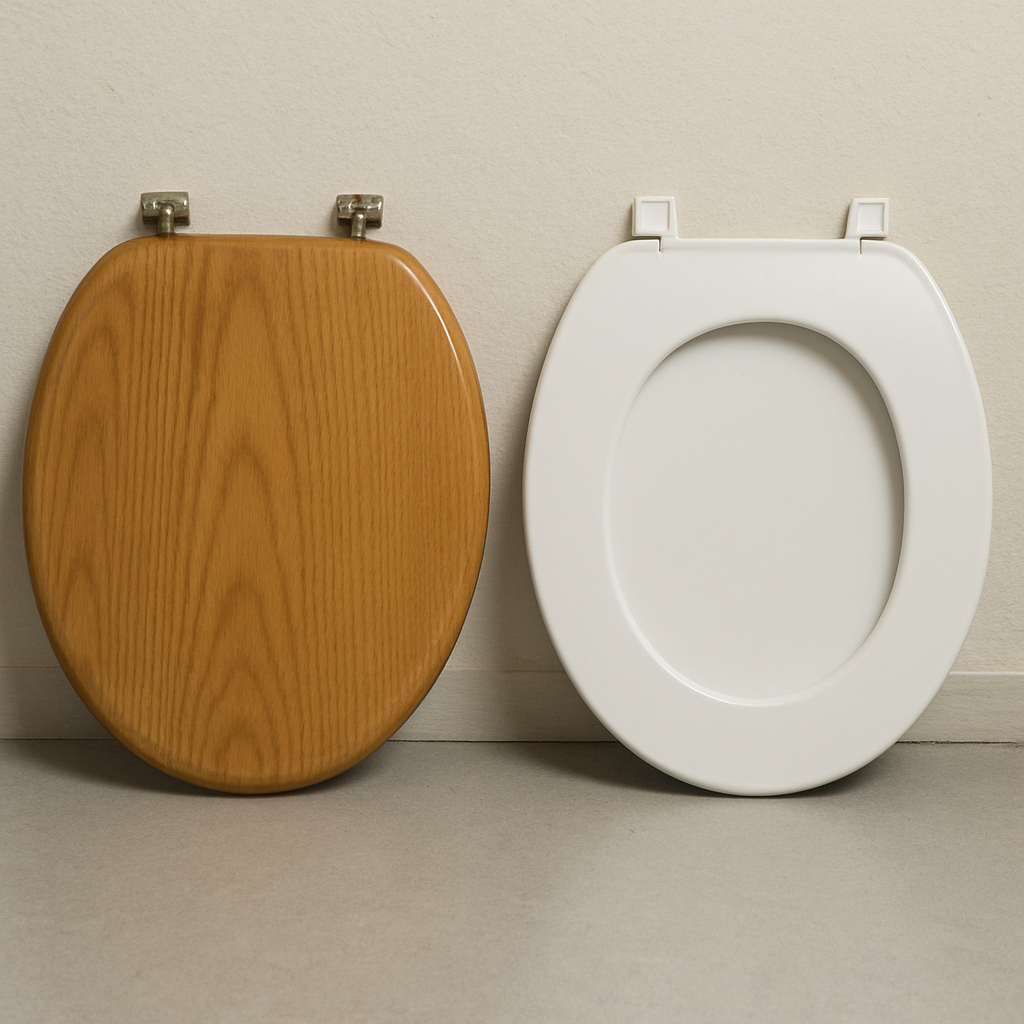
Wood toilet seats are typically heavier and sturdier. They offer a classic, warm look, adding luxury to any bathroom. Conversely, plastic toilet seats are lightweight and easy to install. Their low cost makes them a popular choice for many.
Here’s a quick comparison list to help you decide:
- Weight: Wood is heavier; plastic is lighter.
- Appearance: Wood offers a classic look; plastic is versatile in color.
- Durability: Wood may require more care; plastic resists moisture.
- Cost: Wood is often pricier; plastic is budget-friendly.
Ultimately, the best choice depends on your needs and preferences. Consider what each material offers to find the best fit for your home.
Appearance and Style
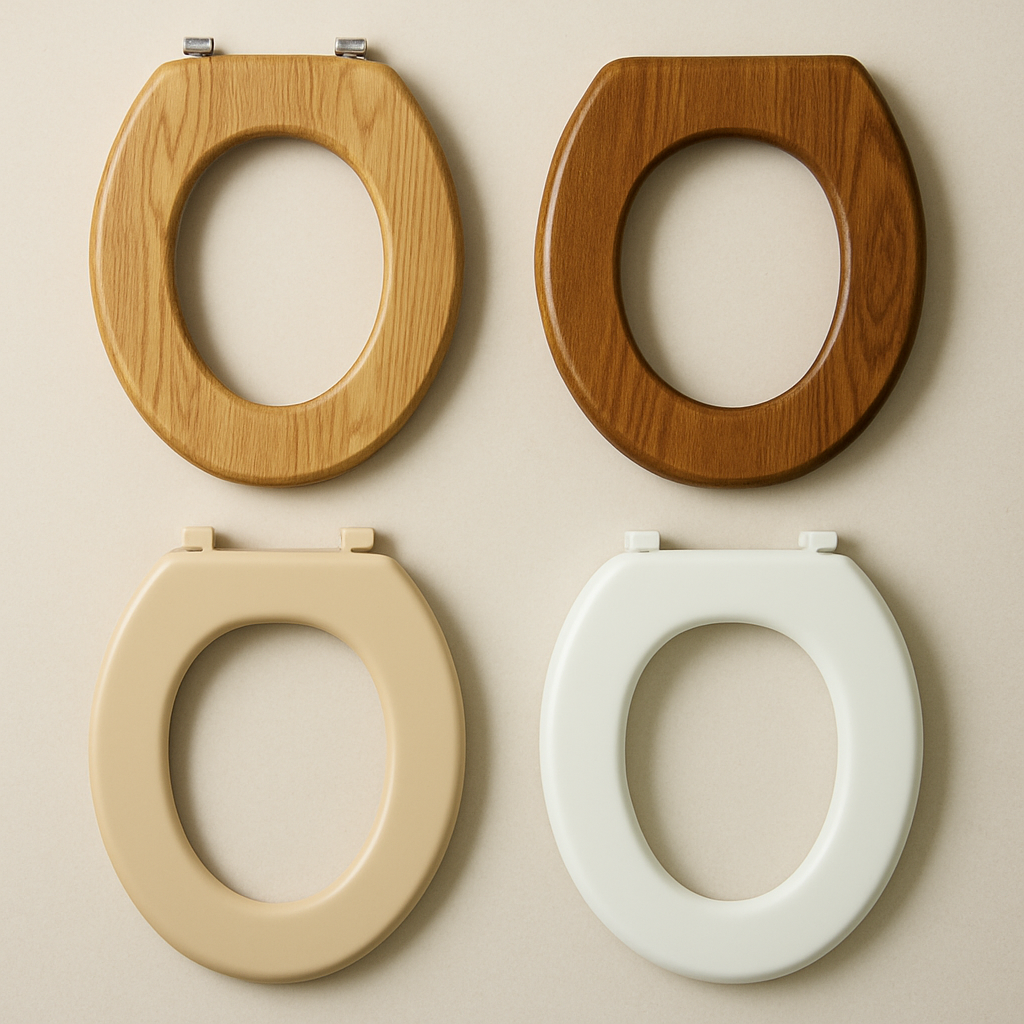
Toilet seats can significantly impact your bathroom’s style. Wood toilet seats often lend a rich, classic appeal. Their natural grains and textures can add warmth and depth.
These seats are ideal for traditional designs. They perfectly complement bathrooms with warm tones and natural themes. However, they might not suit every style preference.
Plastic toilet seats, on the other hand, offer immense versatility. They come in various colors and finishes, fitting any bathroom theme. From sleek modern to minimalist, plastic options adapt well.
Here’s what to consider when choosing based on style:
- Wood: Classic, warm, natural elegance.
- Plastic: Colorful, modern, versatile.
- Design: Match with bathroom elements.
Ultimately, the choice between wood and plastic depends on your desired aesthetic. Prioritize the seat that aligns with your bathroom’s theme for a cohesive look.
Comfort and Feel
Comfort is a key factor when selecting a toilet seat. Wood toilet seats are often praised for their warmth and sturdiness. They provide a solid, reliable feel, enhancing the user’s comfort.
These seats typically do not get as cold as plastic ones. This makes them a preferable choice during colder months. The natural material offers a more substantial seating experience.
Plastic toilet seats, however, are not far behind in terms of comfort. Many modern options are designed ergonomically for better support. These seats often feature contours that accommodate the body’s natural shape.
When evaluating comfort, consider the following:
- Warmth: Wood retains heat, enhancing comfort.
- Ergonomics: Plastic seats with contoured designs.
- Stability: Wood’s solid construction offers more stability.
Both types have their own appeal. Your personal preference and priorities will guide your choice. Remember, the best toilet seats are those that provide comfort daily.
Durability and Longevity
Durability is crucial for any bathroom fixture, including toilet seats. Wood toilet seats are known for their sturdiness and robust nature. They can endure heavy usage, providing lasting service over years.
However, a wood toilet seat’s durability often depends on the type of wood used. High-quality hardwoods generally offer better longevity compared to softer variants. A well-maintained wood seat can serve many years.
Plastic toilet seats are also highly durable. They resist wear and tear, making them suitable for both home and commercial settings. These seats withstand scratches and dents better than wood.
Longevity between these materials varies based on conditions and usage. Plastic seats often last longer in humid environments due to their resistance to moisture. On the other hand, wood seats might need more attention to prevent warping.
Key points to consider for durability and longevity include:
- Material Quality: Affects lifespan and performance.
- Resistance to Moisture: Plastic excels in humid settings.
- Maintenance Requirements: Wood needs more care for longevity.
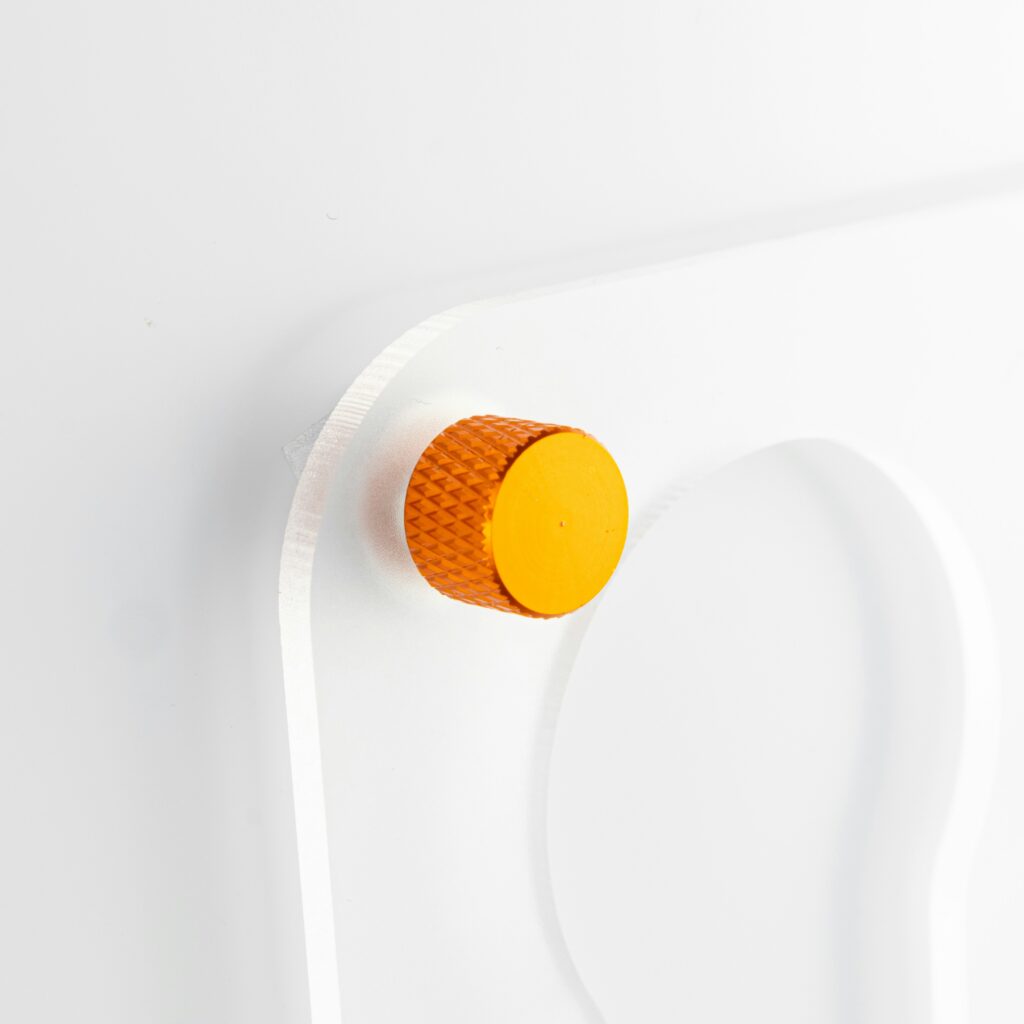
When choosing a toilet seat, consider how each material will perform over time. Each type has its unique strengths, requiring different approaches to upkeep for optimal durability.
Maintenance and Hygiene
Maintaining a toilet seat is essential for cleanliness and hygiene. Plastic toilet seats are favored for their easy-to-clean surfaces. They resist stains and can withstand regular cleaning agents, making them low-maintenance.
Wood toilet seats need more meticulous care. The finish on wood seats can wear over time, requiring gentle cleaning. Avoid harsh cleaners to prevent damage to the wood surface, which could lead to warping or cracking.
Hygienically, plastic seats often have an edge. Some models come with antimicrobial features, offering extra protection against germs. They are well-suited for busy households and public restrooms where hygiene is paramount.
Regularly inspect both types for signs of wear or damage. Keeping toilet seats in good condition ensures they remain sanitary and functional for longer.
Key maintenance and hygiene considerations include:
- Cleaning Ease: Plastic is easier to maintain.
- Chemical Resistance: Wood may suffer from harsh cleaners.
- Antimicrobial Options: Available in many plastic seat models.
Choosing between wood and plastic should factor in maintenance habits and hygiene needs. Each material offers distinct benefits tailored to different cleaning routines and hygiene standards.
Moisture and Temperature Resistance
Toilet seats face constant exposure to moisture, especially in humid bathrooms. Plastic toilet seats excel in resisting moisture damage. Their non-porous surface prevents water from seeping in, reducing the risk of damage.
Wood toilet seats, conversely, are more susceptible to moisture issues. Without proper sealing, moisture can cause warping or cracking. Regular maintenance helps, but plastic is inherently more moisture-resistant.
Temperature changes also impact toilet seats differently. Wood seats can expand and contract with temperature shifts, potentially affecting their fit. Plastic seats generally withstand temperature fluctuations without significant impact.
Consider these aspects when evaluating moisture and temperature resistance:
- Moisture Vulnerability: Wood requires sealing.
- Temperature Sensitivity: Wood can expand or contract.
- Resiliency: Plastic resists both moisture and temperature changes effectively.

Selecting the right seat based on moisture and temperature resistance ensures longevity. Assess your bathroom environment to make an informed decision, prioritizing durability and stability.
Weight, Stability, and Installation
The weight of a toilet seat affects both its stability and ease of installation. Wood toilet seats are typically heavier than their plastic counterparts. This added weight can contribute to a feeling of stability and sturdiness when in use.
On the other hand, plastic toilet seats are much lighter. This lighter weight makes them easier to install and replace. They may, however, feel less stable, which can be a downside for some users.
Installation difficulty can vary with each material. Wood seats often require more careful handling to avoid damage during installation. Plastic seats, with their lighter design, tend to be more user-friendly for DIY installations.
Considerations for weight, stability, and installation include:
- Weight: Wood is heavier; plastic is lighter.
- Stability: Wood often feels sturdier.
- Ease of Installation: Plastic is usually easier to manage.
Choosing the right type depends on your preference for stability or ease of installation. Evaluate your ability to manage the installation process and whether the weight factor impacts your choice.
Cost and Value for Money
Cost often plays a crucial role in choosing a toilet seat. Generally, plastic toilet seats are more affordable than wood options. This makes plastic a popular choice for budget-conscious buyers.
Wood toilet seats tend to be pricier. The higher cost is often due to the material and craftsmanship involved. However, many find the classic look and premium feel worth the extra money.
When evaluating value for money, consider longevity and performance. Although wood seats cost more upfront, they may offer greater durability if well-maintained. Plastic seats, despite being cheaper, often have a comparable lifespan because of their resistance to water and stains.
Key factors to consider for cost and value include:
- Initial Cost: Plastic is cheaper; wood is more expensive.
- Durability: Wood may last longer with care.
- Upfront vs Long-term Value: Assess longevity against cost.
Ultimately, the decision between wood and plastic seats depends on your budget and personal preferences for style and durability. Consider what aspects are most important for you to determine the best value.
Environmental Impact and Sustainability
The environmental impact of toilet seats is becoming increasingly important. Wood toilet seats can be more eco-friendly if sourced from sustainable forests. This ensures that deforestation is minimized and natural resources are managed wisely.
Plastic toilet seats pose a different challenge. While they are often made from recyclable materials, plastic production generally has a larger carbon footprint. However, many plastic seats are recyclable, contributing to waste reduction.
When evaluating sustainability, consider these aspects:
- Wood Source: Look for certified sustainable wood.
- Plastic Recyclability: Check if the seat is recyclable.
- Production Impact: Consider energy and resource use during manufacturing.

Opting for eco-friendly products supports environmental conservation efforts. Both wood and plastic options have their merits, so choose based on the sustainability credentials that align with your values.
Pros and Cons of Wood Toilet Seats
Wood toilet seats offer a classic and luxurious aesthetic. They provide comfort with a warm, solid feel. However, they may require more maintenance than their plastic counterparts.
It’s important to weigh the advantages against the downsides. Here are some pros and cons:
- Pros:
- Heavier and sturdier feel
- Adds elegance to bathrooms
- Can be eco-friendly
- Cons:
- Requires maintenance to prevent warping
- Potentially more expensive
- Sensitive to harsh cleaning agents
Choosing a wood toilet seat can bring a touch of elegance, but consider care needs and costs before purchasing.
Pros and Cons of Plastic Toilet Seats
Plastic toilet seats are popular for their affordability and variety. They are light and available in numerous styles and colors.
Despite their widespread appeal, plastic toilet seats have their downsides. Weigh these factors before making a choice:
- Pros:
- Easier to clean
- Resistant to stains and moisture
- Often more budget-friendly
- Cons:
- Can feel less durable than wood
- May lack the elegant appeal of wood
- Some may prefer the heftier feel of wood seats
Plastic seats offer convenience and cost savings, ideal for many users. Consider design and durability preferences when deciding.
When to Choose Wood vs Plastic Toilet Seats
Choosing between wood and plastic toilet seats depends on various factors, including style, budget, and personal preferences. Each material has unique advantages that cater to different needs.
If you value aesthetics and comfort, wood might be preferable. Wood seats add warmth and elegance to traditional or luxurious bathroom styles. They are often preferred for their substantial feel and classic look.
Conversely, plastic seats are ideal for those who prioritize ease of maintenance and affordability. They suit modern or commercial settings where durability and practicality matter most.
Consider these points when deciding:
- Style preference (traditional vs. modern)
- Maintenance needs (easy cleaning vs. upkeep)
- Budget constraints (affordable vs. premium)
Your choice should align with your lifestyle and bathroom design, ensuring satisfaction for years to come.
Frequently Asked Questions
What are the key differences between wood and plastic toilet seats?
Wood seats offer a heavier, premium feel and a classic look, ideal for traditional bathrooms. Plastic seats are lighter, often more affordable, and available in a broader range of colors and styles.
Which toilet seat is easier to maintain?
Plastic seats generally require less upkeep. They resist stains and moisture, making them simpler to clean and maintain. Wood seats, on the other hand, may need special care to avoid damage over time.
How does the comfort level compare?
Wood seats tend to be more comfortable due to their solid structure and warmth. Some find them more inviting, particularly in colder climates. Plastic seats, however, can offer more ergonomic designs that some users may prefer.
List of factors to consider:
- Aesthetics: Traditional vs. modern design
- Budget: Affordable plastic vs. premium wood
- Maintenance: Ease of cleaning
- Durability: Lifespan and resistance to conditions
Considering these points will help you pick the ideal toilet seat for your needs.
Final Verdict: Which Toilet Seat Is Best for You?
Choosing between wood and plastic toilet seats ultimately depends on personal priorities and bathroom needs. Wood seats typically offer a luxurious feel, adding a touch of elegance and warmth. They might be the right choice if the aesthetic is a significant consideration for you, and you’re willing to spend a bit more for that classic look.
Plastic seats, on the other hand, are practical and versatile. They come in a wide range of styles and colors, ideal for modern or minimalist bathrooms. Their ease of maintenance and affordability make them appealing for families and high-traffic bathrooms where durability is key.
When weighing your options, consider these factors:
- Budget: What are you willing to spend?
- Style: Traditional vs. contemporary aesthetics
- Functionality: Importance of ease and maintenance
Ultimately, the best toilet seat will match your style preference, meet your functional needs, and align with your budget. Take these aspects into account to make a well-informed decision tailored to your specific requirements.