








Choosing the right wood for furniture is crucial. It affects durability, aesthetics, and cost. Oak, walnut, and maple are three popular choices.
Each wood has unique characteristics. Oak is known for its strength and distinct grain patterns. Walnut offers a rich, dark color and fine grain. Maple is appreciated for its light color and smooth texture.
Understanding these differences helps in making informed decisions. Whether you’re a homeowner, designer, or furniture maker, knowing the pros and cons is essential.
Oak is often used in traditional and rustic styles. Its durability makes it a favorite for long-lasting pieces. Walnut, with its luxurious appearance, is ideal for high-end designs. Maple’s versatility suits both modern and classic styles.
Cost is another factor to consider. Oak is generally more affordable. Walnut is pricier, reflecting its luxury status. Maple offers a balance of cost and durability.
Maintenance varies among these woods. Oak requires minimal care. Walnut needs regular polishing to maintain its luster. Maple is easy to clean and maintain.
In this guide, we’ll compare these woods in detail. You’ll learn about their strengths, weaknesses, and best uses. This will help you choose the best wood for your furniture needs.
Understanding Hardwood vs Softwood: The Basics
Before diving into specific wood types, it’s essential to understand the basics of hardwoods and softwoods. This knowledge lays a foundation for grasping furniture wood characteristics.
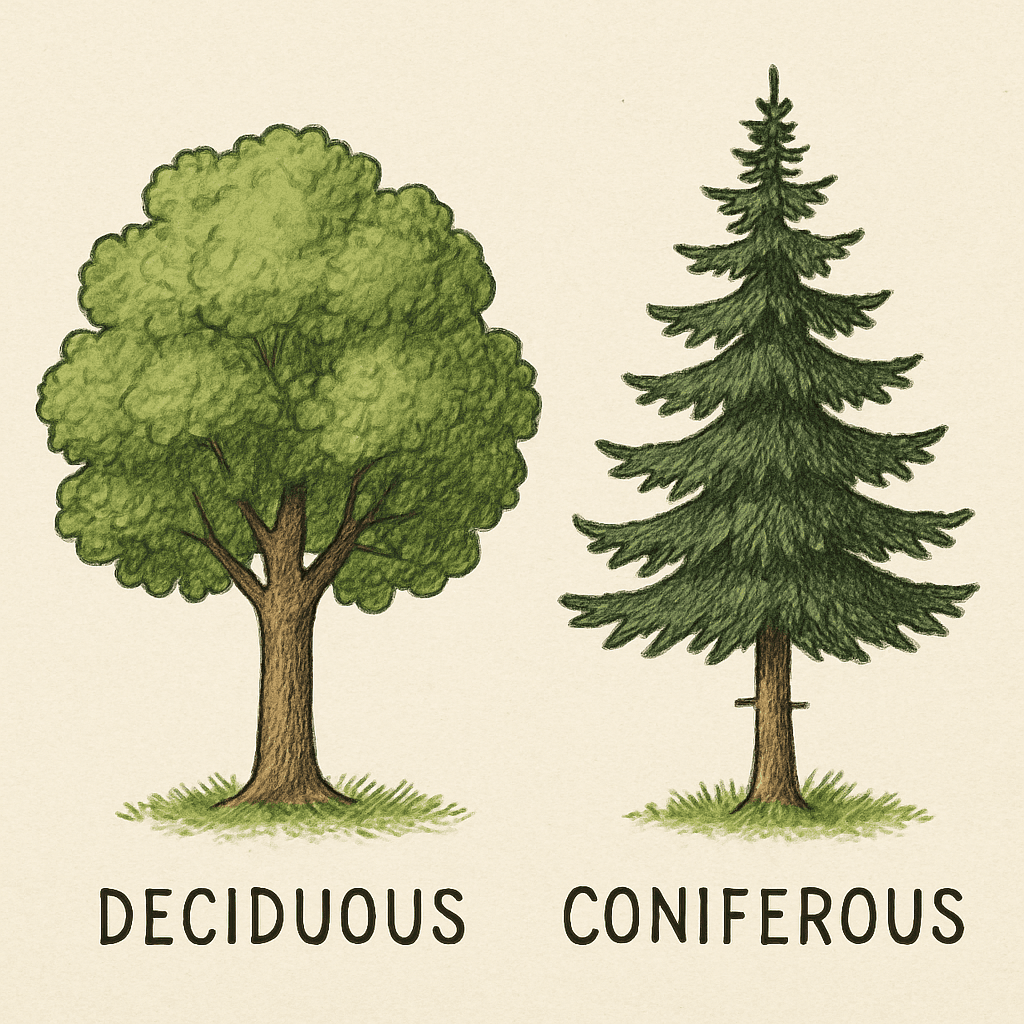
Hardwoods come from deciduous trees, which shed their leaves annually. Softwoods originate from coniferous trees, which usually have needles and remain evergreen.
The distinction is not about toughness. Some softwoods can be hard, and some hardwoods can be soft. Instead, it’s about their growth patterns and botanical differences.
Here’s a quick summary of the differences:
- Origin: Hardwoods from deciduous trees; softwoods from coniferous trees.
- Density: Hardwoods generally denser and durable.
- Applications: Hardwoods used in furniture; softwoods in construction.
Understanding these differences helps in selecting the right material for specific purposes. Furniture makers often favor hardwoods like oak, walnut, and maple for their robustness and elegant grain patterns.
These characteristics make them ideal for crafting beautiful, sturdy furniture pieces. While softwoods are used in interiors, hardwoods’ strength and aesthetics make them the go-to choice for furniture.
Oak, Walnut, and Maple: An Overview
Oak, walnut, and maple stand out as three highly popular hardwoods used in furniture crafting. Each type brings unique properties that cater to different tastes and requirements.
Oak is well-loved for its durability and distinctive grain patterns. It’s often seen in traditional and rustic furniture settings. Its heaviness lends stability, making it ideal for sturdy pieces like dining tables and cabinets.
Walnut is known for its luxurious appearance, thanks to its rich, dark color and fine grain. Often featured in high-end and contemporary designs, walnut furniture exudes elegance but requires more maintenance to retain its beauty.
Maple is renowned for its versatility and light color. Its smooth grain suits both classic and modern furniture styles. Dense and hard, maple is durable and resists scratches and dents, making it great for families with active lifestyles.
Here’s a quick overview of their characteristics:
- Oak: Durable, pronounced grain, heavy.
- Walnut: Rich, dark color, fine grain, requires maintenance.
- Maple: Versatile, smooth grain, resistant to wear.
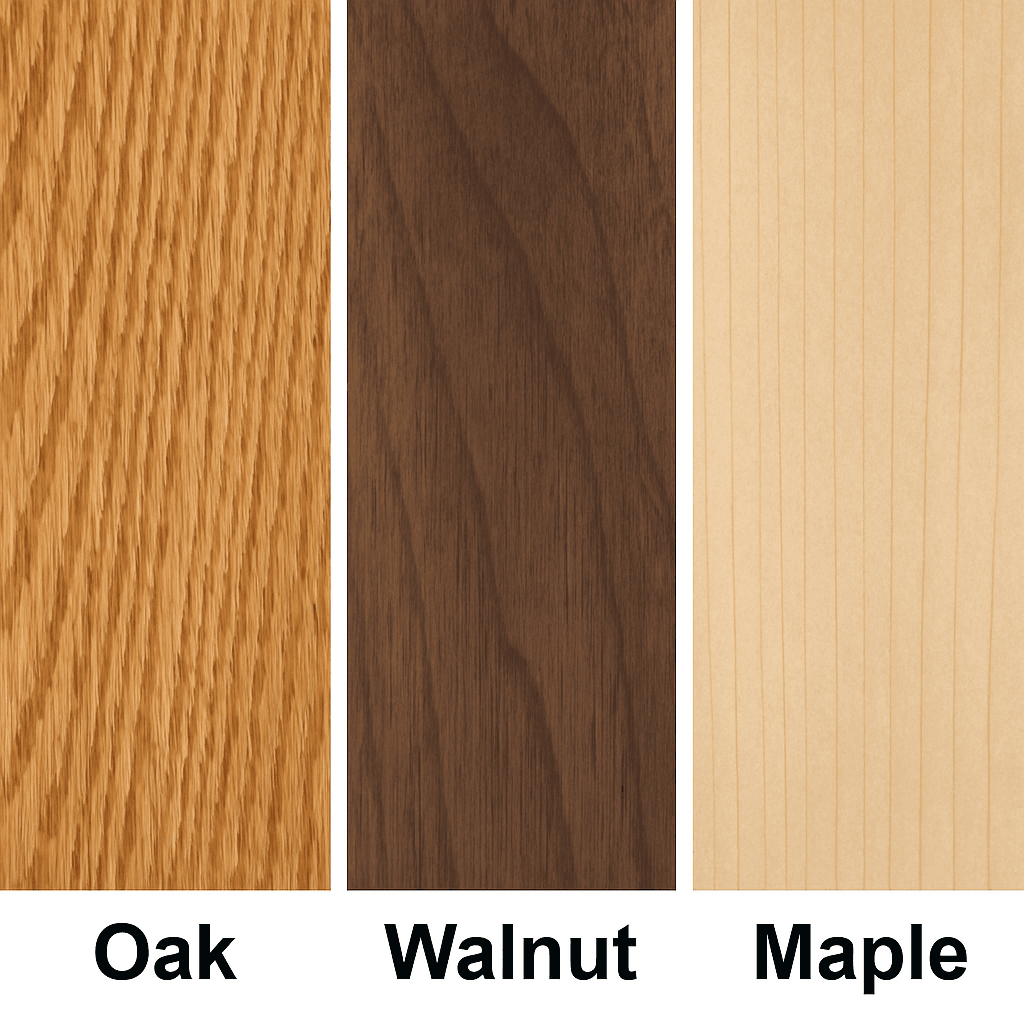
Understanding these foundational traits helps furniture buyers make informed decisions. Whether prioritizing strength, elegance, or versatility, oak, walnut, and maple each offer distinct advantages that enhance your living space.
Hardness and Durability: Which Wood Lasts Longest?
When it comes to selecting wood for furniture, hardness plays a pivotal role. Each wood type’s durability relates closely to its hardness rating on the Janka scale.
Oak boasts a hardness rating of around 1290. This makes it a sturdy choice for heavy-duty furniture that needs to withstand daily wear. It’s less likely to scratch or dent compared to softer woods, enhancing its long-term value.
Walnut, on the other hand, scores 1010 on the Janka scale. While lower than oak, it still offers decent durability. Walnut furniture maintains strength and is less heavy, making it easier to move. It’s great for furniture where aesthetics matter as much as functionality.
Maple leads with a hardness rating of 1450, positioning it as one of the hardest woods available. This trait ensures it resists dents and scratches, ideal for high-traffic areas. Its robust nature supports household furniture prone to active use, like kitchen cabinets or children’s furniture.
Here’s a quick comparison of their hardness ratings:
- Oak: 1290
- Walnut: 1010
- Maple: 1450

Understanding these ratings helps buyers assess which wood best suits their needs. Whether opting for the long-lasting strength of maple, the balanced durability of walnut, or the robust nature of oak, each wood type offers specific benefits that cater to different uses and settings.
Grain Patterns and Appearance: Style and Aesthetics
The aesthetic appeal of wood is vital in furniture design. Grain patterns greatly influence the overall style and feel.
Oak is noted for its strong, noticeable grain patterns. These can range from straight lines to wavy shapes. This diversity fits well in rustic or traditional styles. The visible grain gives oak furniture a robust and classic look.
In contrast, walnut is celebrated for its fine and smooth grain. Often straight with occasional subtle waves, it exudes elegance. This refined texture makes walnut a perfect match for modern and luxury furniture. Its natural beauty often eliminates the need for heavy finishes.
Maple features a straight and uniform grain, lending it an even, clean appearance. This grain pattern supports a contemporary and minimalist aesthetic. It adapts well to various styles, whether you desire simplicity or sophistication.
Here’s a quick breakdown of the grain characteristics:
- Oak: Strong, noticeable, varying patterns
- Walnut: Smooth, fine, often straight
- Maple: Straight, even, uniform
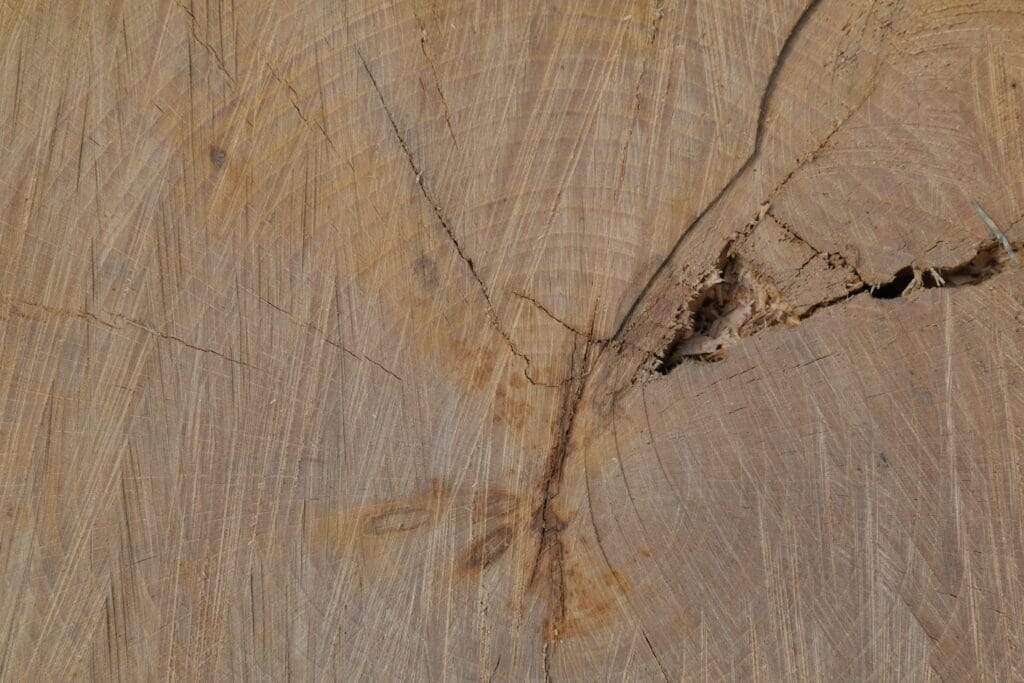
Considering grain patterns can help determine which wood aligns with your design vision. From oak’s robust grains perfect for classic vibes, walnut’s smooth elegance for upscale pieces, to maple’s neat patterns ideal for modern spaces—each offers unique aesthetic possibilities tailored to your tastes.
Color and Finish: Natural Beauty and Customization
When it comes to color, oak, walnut, and maple each offer distinct natural hues, providing options for various design preferences. Oak’s color spectrum ranges from light tan to medium brown. Its versatility allows it to accept a wide array of stains, enhancing or altering its appearance while still highlighting its bold grain.
Walnut, with its rich, dark chocolate tones, is often left unstained. The natural beauty of walnut is typically showcased without much alteration. A simple oil finish is enough to enhance its depth and luster, emphasizing the wood’s inherent elegance.
Maple stands out with its creamy white to light reddish-brown shades. It can be left in its natural state for a bright, clean look or stained to take on different hues. Maple’s smooth texture allows for a flawless finish, making it a popular choice for both modern and classic styles.
Here’s a glance at the color attributes:
- Oak: Light tan to medium brown, adaptable with stains
- Walnut: Dark chocolate, best showcased naturally
- Maple: Creamy white to light reddish-brown, versatile for staining
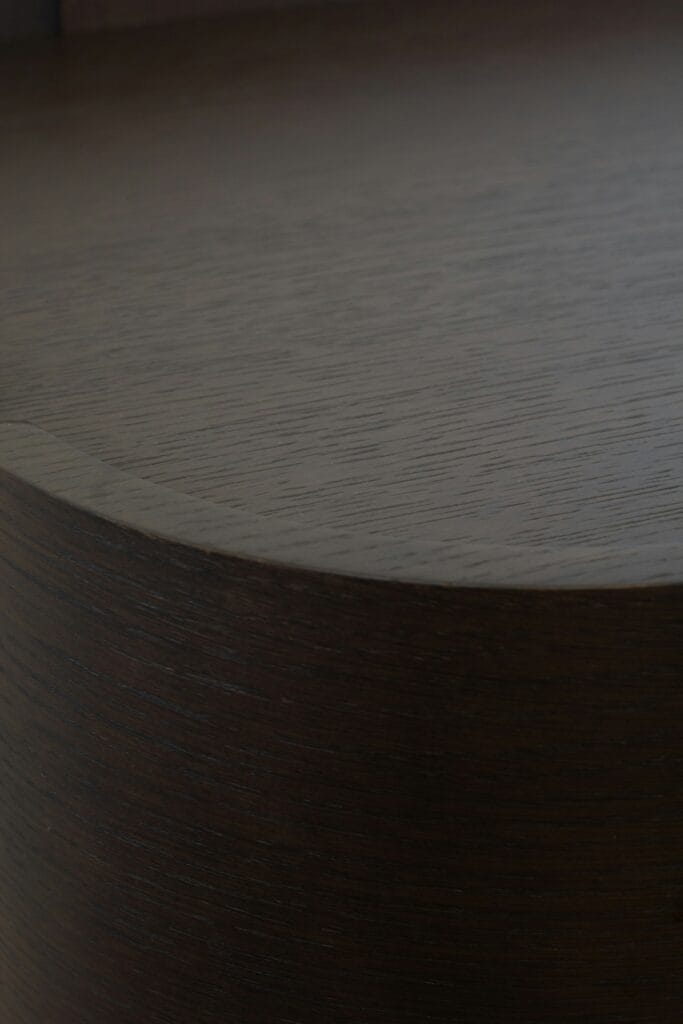
Selecting the right color and finish can significantly affect your furniture’s visual impact. Whether you prefer oak’s adaptability, walnut’s natural elegance, or maple’s bright versatility, each wood offers unique opportunities for customization and style.
Cost and Availability: Budgeting for Your Furniture
Cost can significantly influence your choice of wood. Among these three popular furniture woods, oak is generally the most economical. Oak’s widespread availability and quick growth contribute to its affordability, making it a go-to choice for those on a budget. It offers robust quality without breaking the bank.
Walnut, by contrast, is a luxury wood. Its slower growth rate and striking beauty often lead to higher prices. Because walnut is less abundant, purchasing furniture made from this wood might require a bigger investment. However, the elegance and uniqueness it brings to any space can justify the expense for many homeowners.
Maple sits comfortably in between, both in terms of cost and availability. It is moderately priced and offers excellent durability, providing value for money. Its sustainability and versatile use in various types of furniture also increase its appeal.
Here’s a quick comparison of costs and availability:
- Oak: Economical, widely available
- Walnut: High-end, less abundant
- Maple: Moderately priced, readily available

Budgeting for furniture involves understanding both initial costs and long-term value. Whether prioritizing affordability with oak, investing in walnut’s luxury, or opting for maple’s balance, each choice caters to different financial considerations.
Workability and Maintenance: Ease of Use and Care
When selecting wood for furniture, its workability is crucial. Oak, known for its robustness, can sometimes be challenging to work with due to its density. However, this same density contributes to its superb durability. Furniture makers appreciate oak for its stability and its ability to hold up well under various finishing techniques.
Walnut, with its smooth and fine grain, is a favorite among craftsmen for intricate woodworking. It cuts cleanly and shapes effortlessly, allowing for detailed designs. Walnut’s main drawback is its need for regular care to maintain its rich color and sheen. Without proper maintenance, it might lose some of its luster over time.
Maple is another excellent choice for those who favor easy maintenance. Its dense and smooth texture makes it resistant to scratches and dents. Consequently, maple furniture is easier to keep in prime condition. Its workability allows for a wide array of finishes, whether a natural look or a darker stain.
Here’s a brief overview of workability and care for these woods:
- Oak: Stable but dense, requires robust tools
- Walnut: Excellent for detailed work, needs regular maintenance
- Maple: Easy maintenance, versatile finishing options
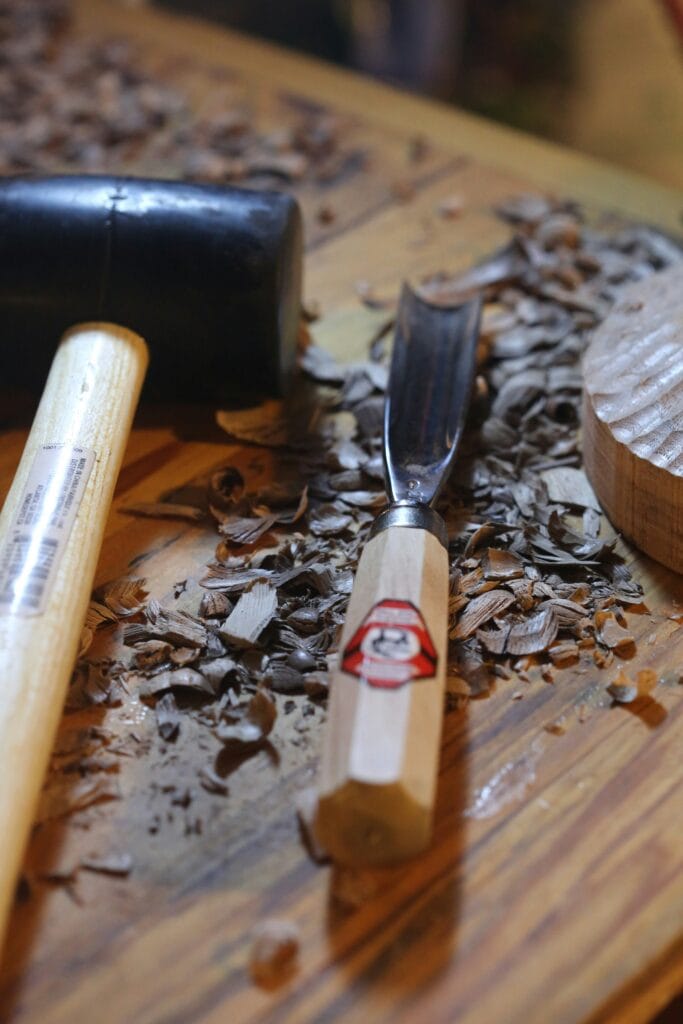
Understanding the nuances of how each wood handles and its maintenance requirements can aid in selecting the right choice for your needs. Whether you prioritize ease of crafting or long-term care, each wood type offers distinct advantages.
Sustainability and Environmental Impact
Sustainability has become a major factor in choosing materials for furniture. Oak, walnut, and maple differ in their environmental impact. Oak is widely available, which makes it a sustainable choice. Its rapid growth and widespread availability mean it can be harvested responsibly.
Walnut, on the other hand, grows at a slower rate, making it less sustainable. Its luxurious appeal comes with a higher environmental cost. This slower growth rate can lead to challenges in replenishing this resource promptly.
Maple stands out as an eco-friendly option. Known for its abundant supply and sustainable harvesting practices, it is popular among environmentally conscious consumers. This makes maple an excellent choice for those looking to lessen their environmental footprint.
Here’s a brief sustainability overview:
- Oak: Widely available, sustainable harvest
- Walnut: Slower growth, higher environmental cost
- Maple: Eco-friendly, abundant and sustainably sourced
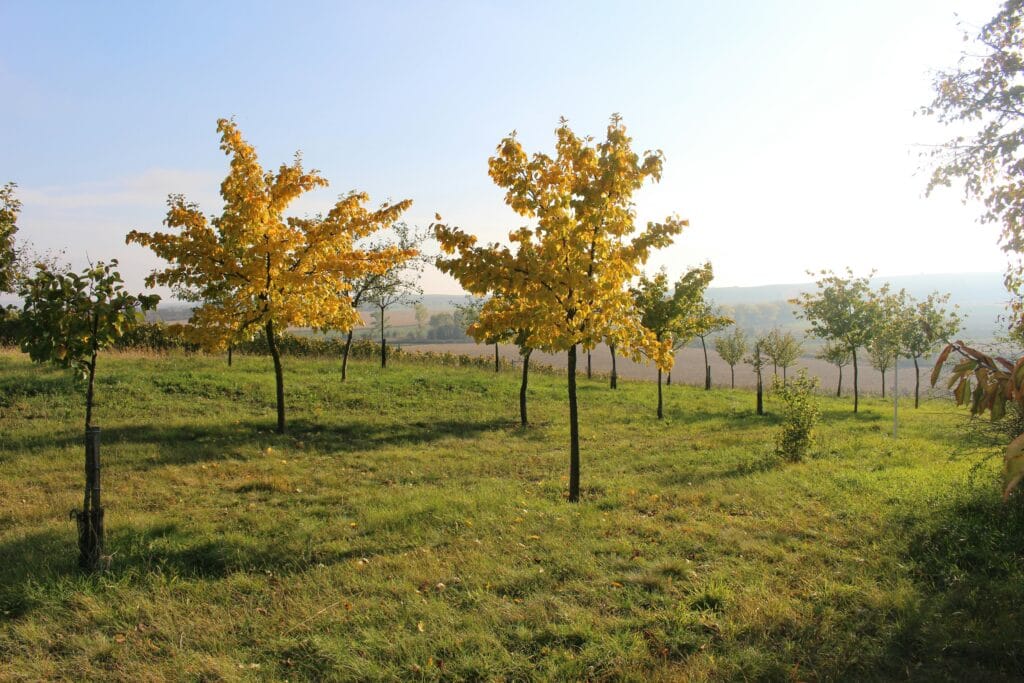
Choosing a sustainable wood option supports not only long-lasting furniture but also a healthier planet. Consider the impact each type of wood has on our environment and future generations.
Best Uses for Each Wood: Matching Wood to Furniture Type
Choosing the right wood for your furniture involves considering the wood’s characteristics and ideal applications. Oak, walnut, and maple each suit different furniture types due to their unique properties.
Oak is perfect for robust furniture like dining tables and chairs. Its strength and durability ensure these pieces can withstand heavy use over time. The classic grain pattern also adds a rustic charm to mission-style and craftsman furniture.
Walnut is favored in settings that demand elegance and sophistication, such as offices or bedrooms. It is often used for desks and decorative pieces where its rich color enhances the aesthetic appeal. Walnut’s luxurious feel makes any furniture piece a center of attention.
Maple’s resilience and versatility make it an excellent choice for cabinets and children’s furniture. Its smooth and light finish brightens spaces, and its resistance to scratches is ideal for high-traffic areas.
Recommended Furniture Uses:
- Oak: Dining tables, chairs, rustic styles
- Walnut: Desks, bedroom furniture, decorative pieces
- Maple: Kitchen cabinets, children’s furniture, high-traffic areas
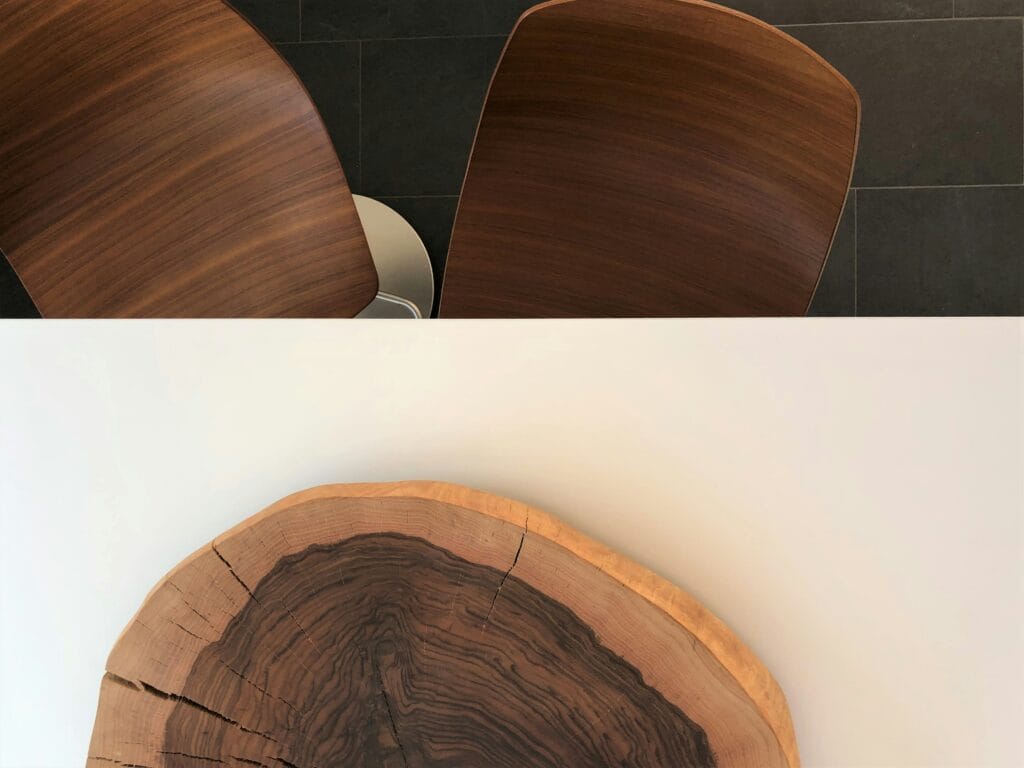
Selecting the right wood ensures your furniture not only looks great but also serves its intended purpose effectively.
Oak vs. Walnut vs. Maple: Pros and Cons Summary Table
Choosing the right wood requires balancing different factors such as durability, aesthetics, and cost. Oak, walnut, and maple offer distinct benefits and drawbacks, making them fit for varying needs and preferences in furniture making. Here is a concise summary to guide your decision:
| Wood Type | Pros | Cons | |———–|——|——| | Oak | Durable, affordable, classic look | Heavy, can be coarse | | Walnut | Rich color, luxury appeal, smooth texture | Expensive, less durable | | Maple | Hard, versatile, resistant to wear | May lack unique grain, moderate price |
This table simplifies the decision-making process by highlighting the strengths and weaknesses of each wood type. Use it to assess which wood best aligns with your furniture goals and budget considerations.
How to Choose the Best Wood for Your Furniture
Selecting the ideal wood for furniture involves considering multiple factors. First and foremost, evaluate the wood’s durability and strength. Heavy-use furniture like dining tables and chairs benefit from robust woods like oak. Its sturdy nature ensures longevity, making it a wise choice for such pieces.
Next, consider aesthetics and personal style preferences. Walnut, with its deep, rich hues, brings a touch of luxury and elegance to any room. If your style leans more towards a modern or minimalist look, maple’s smooth and even grain offers a refined and clean appearance. This aligns well with contemporary furniture designs.
Lastly, reflect on your budget and availability of materials. Oak is often more affordable and widely available, making it suitable for budget-friendly projects. Walnut, though pricier, offers exclusivity and sophistication, while maple strikes a balance with moderate pricing. When making your decision, consider:
- Durability and strength of the wood
- Aesthetics and personal style preferences
- Budget constraints and material availability
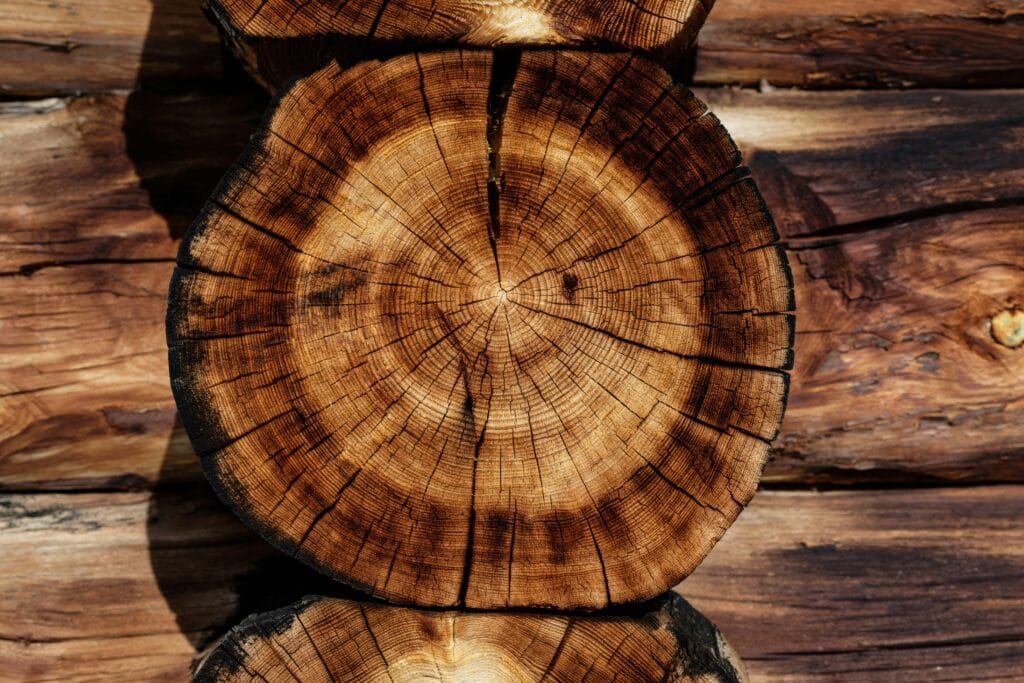
Taking these factors into account will help you determine the best wood that meets your functional and decorative needs.
Frequently Asked Questions
What is the most durable wood among oak, walnut, and maple? Maple stands out for its hardness and resistance to wear and tear. Oak also offers durability but is heavier, whereas walnut is elegant but requires more care.
Is walnut more expensive than oak and maple? Yes, walnut tends to be the priciest due to its luxury appeal and limited availability. Oak and maple are generally more economical choices.
Which wood is easiest to maintain? Maple’s dense grain makes it easy to clean and maintain. Oak is also low-maintenance, while walnut needs regular polishing to keep its luster.
Key Points:
- Maple is the most durable.
- Walnut is typically more expensive.
- Maple is easiest to maintain.
Considering these insights can guide you in choosing the right wood for your furniture. The choice depends on individual needs and preferences.
Conclusion: Which Furniture Wood Is Right for You?
Selecting the best wood for your furniture is a personal decision. Each type of wood offers unique benefits and aesthetic qualities. Oak is ideal for those seeking durability with a classic touch. Walnut attracts those who favor elegance and luxury. Maple is perfect if you need versatility and robust strength.
Consider your lifestyle and budget when making your decision. Whether it’s a rustic oak table, a sophisticated walnut desk, or versatile maple cabinetry, each wood can elevate your home’s style. The right choice depends on your specific needs and personal taste.
Related: home furniture manufacturer