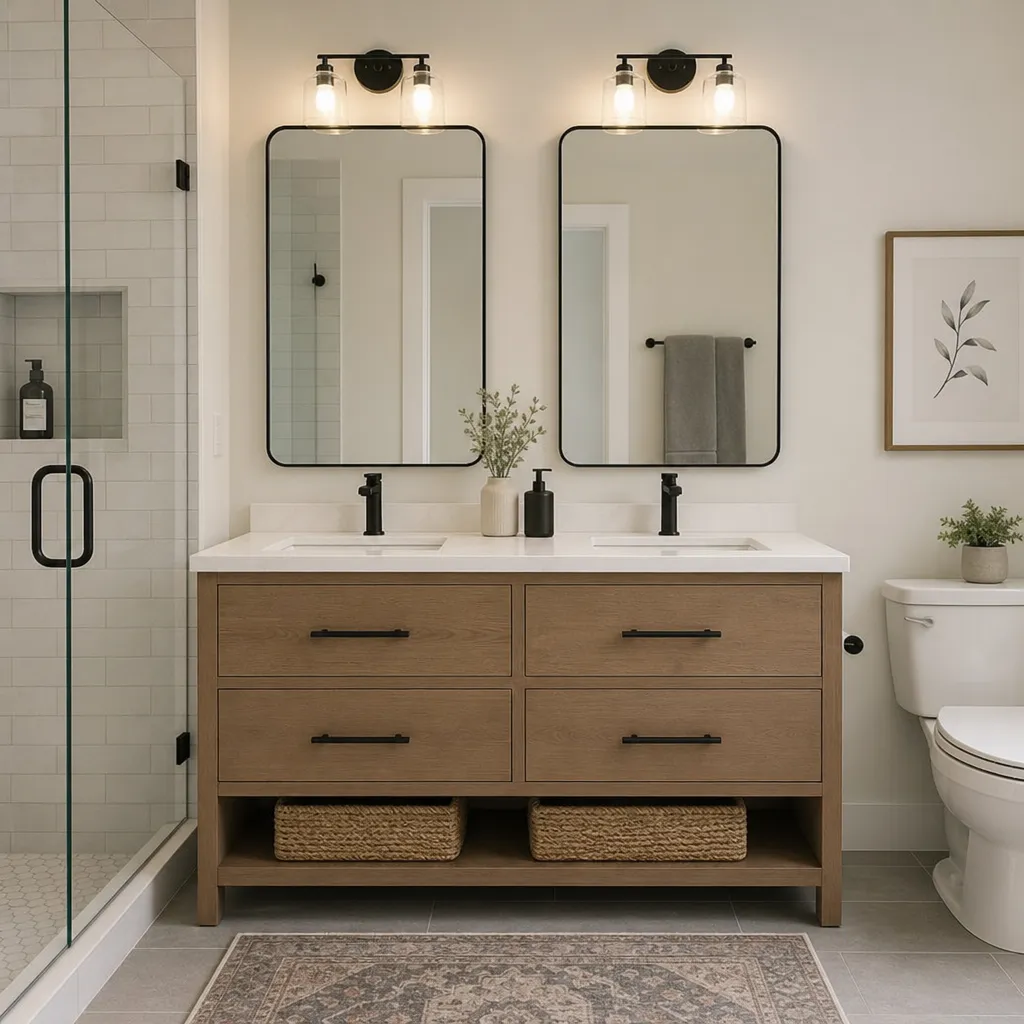
The smart bathroom has crossed the line from boutique luxury to a mainstream upgrade category. Two markets tell the 2026 story best: the United States, a mature, design-led market where smart bathrooms are now a renovation default, and India, the fastest-accelerating volume market on the planet, where urbanization and water stress are rewriting buyer expectations. This report compares both—market size, growth drivers, and what each buyer actually wants—and what it means for suppliers and brands.
For the deeper commercial-demand picture across regions, see our smart bathroom market 2026: key commercial demands breakdown; for the product and technology side, our smart bathroom technology 2026 guide covers mirrors, toilets, and connected fixtures in detail.
The Global Backdrop
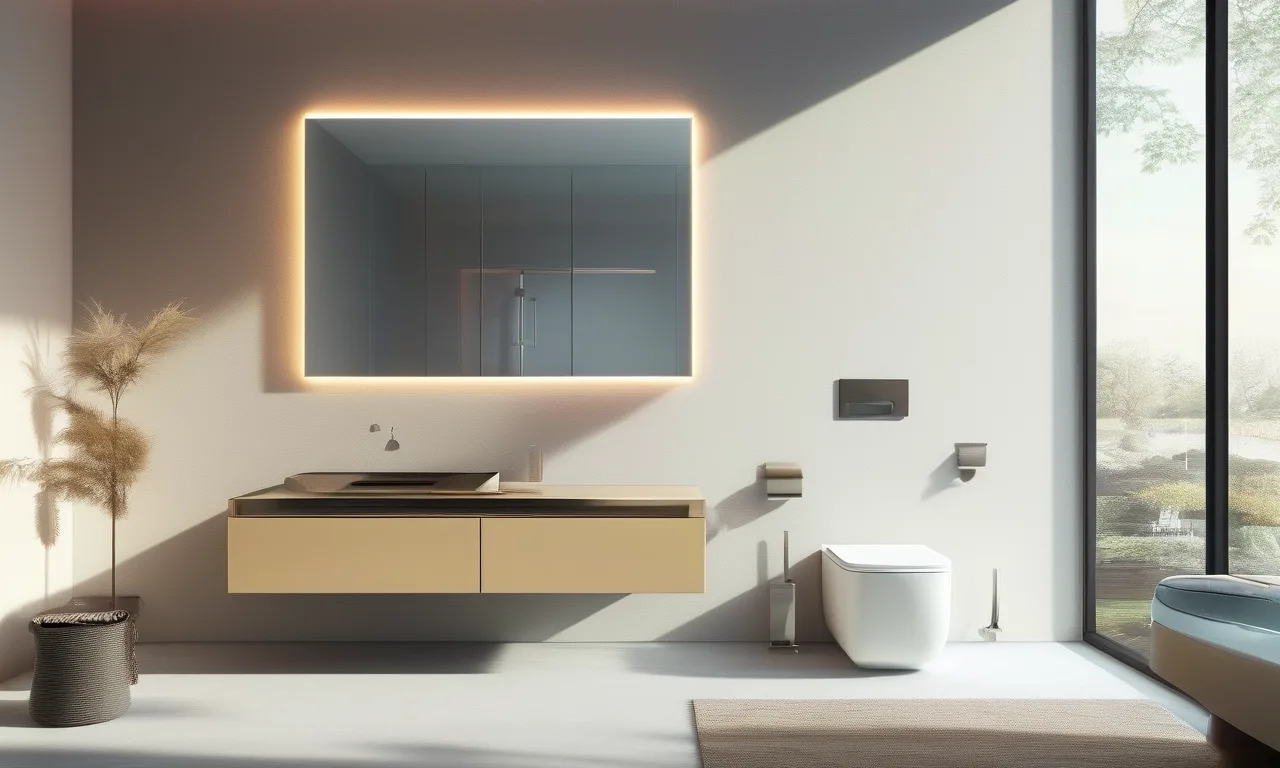
Industry estimates place the global smart bathroom market at roughly USD 35 billion in 2025, expanding at a double-digit CAGR through 2030. Four forces drive every regional market:
- Hygiene-first behavior—post-pandemic demand for touchless, self-cleaning fixtures is now permanent, not a fad.
- Water and energy stress—regulations and utility bills push buyers toward efficient, sensor-controlled products.
- Smart-home integration—voice assistants and apps have made “connected” the default expectation.
- Aging populations—in developed markets, accessible, sensor-assisted bathrooms support independent living.
United States: A Mature Market Buying for Wellness and Aging-in-Place
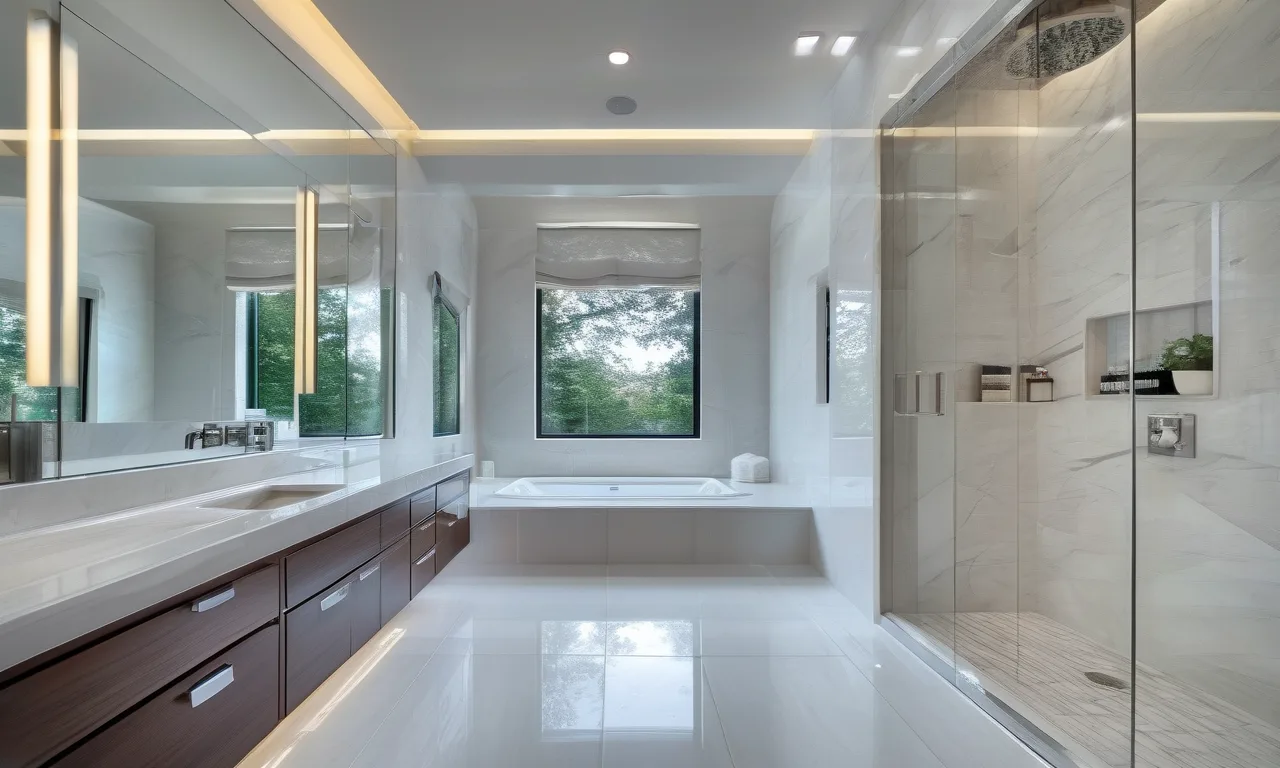
The US is the largest single national smart-bathroom market, and its engine is renovation, not new construction—the majority of spend flows through remodels rather than ground-up builds. Growth is steady and premium-led.
What drives US demand:
- Aging-in-place: Bidet toilets, comfort-height smart fixtures, and leak sensors let older homeowners stay in their homes safely.
- Wellness: Light-therapy mirrors, steam, and air-quality sensing turn the bathroom into a recovery space.
- Voice ecosystems: Alexa and Google Home integration is now a purchase requirement, not a nice-to-have.
- Labor shortage: DIY-friendly smart upgrades reduce reliance on hard-to-book trades.
What US buyers actually want: smart mirrors (defog, tunable lighting, news/weather), bidet and smart toilets (see our wall-hung toilet guide), leak and humidity sensors, touchless faucets, and app scheduling. Buyers tolerate premium pricing and shop through showrooms plus e-commerce (Amazon, Wayfair, Build.com).
India: The Fastest-Growing Volume Market
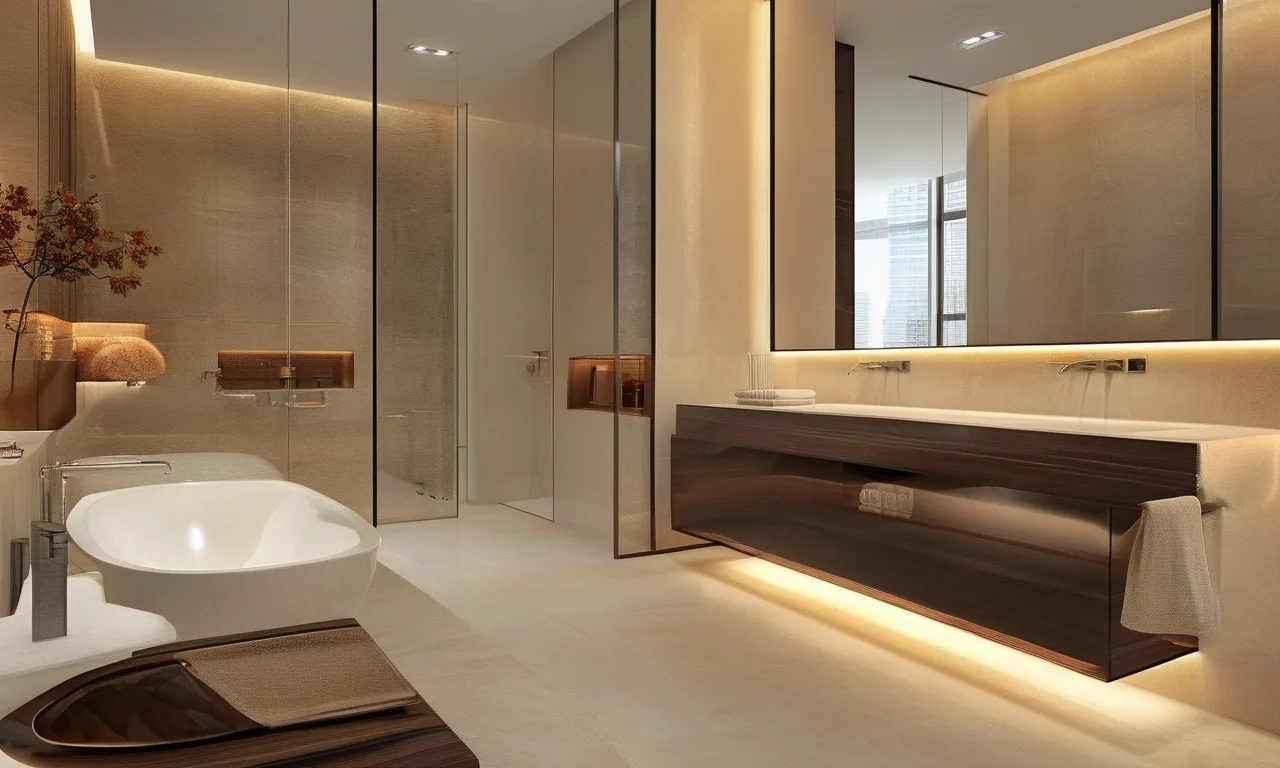
India is the breakout story of 2026. Rapid urbanization, a rising middle class, the Smart Cities Mission, and plummeting smart-component costs are converting curiosity into volume. Growth is explosive by CAGR even if absolute value trails the US.
What drives Indian demand:
- Water scarcity: The single biggest driver—water-saving smart taps and dual-flush smart toilets answer a real constraint.
- Hygiene awareness: Touchless and self-cleaning surfaces resonate strongly in dense urban living.
- Two-tier structure: A premium metro tier (Mumbai, Delhi, Bangalore) buys full-feature suites, while tier-2/3 cities pull an affordable, value-engineered smart tier.
What India buyers actually want: water-efficient smart faucets, affordable smart toilets and bidets, anti-bacterial surfaces, and app control reserved for the premium segment. The market is acutely price-sensitive, so value engineering—not feature-maxing—wins. Online marketplaces (Flipkart, Amazon India) and metro experience studios are the dominant channels.
US vs India: Side by Side
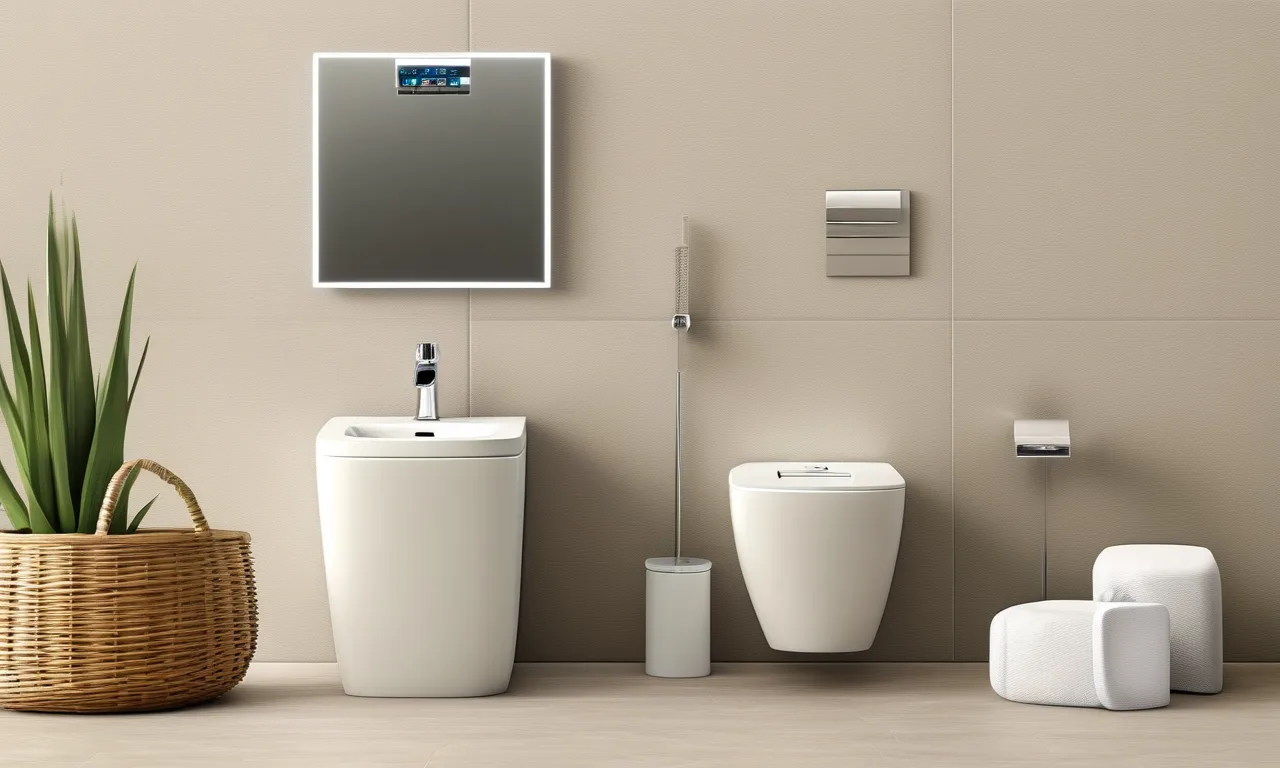
| Dimension | United States | India |
|---|---|---|
| Market maturity | Mature, renovation-led | Emerging, volume-led |
| Primary driver | Wellness + aging-in-place | Water stress + urbanization |
| Price sensitivity | Low—premium tolerated | High—value engineering key |
| Hero products | Smart mirrors, bidet toilets | Water-saving taps, affordable smart toilets |
| Dominant channel | Showroom + e-commerce | Online marketplaces + metro studios |
| Growth posture | Steady, premium | Explosive volume (high CAGR) |
What Both Markets Want in 2026
Strip away the regional differences and the convergent wish-list is clear:
- Hygiene-first: Touchless operation and self-cleaning surfaces are table stakes.
- Water and energy efficiency: Efficiency is expected, not optional—and increasingly regulated.
- Reliable connectivity: App and voice control must actually work; gimmicky, flaky tech gets returned.
- Hidden design: Buyers want the technology invisible in matte, minimalist finishes.
- Leak protection: Whole-bathroom sensing that prevents catastrophic water damage.
What This Means for Exporters and Brands
The smart playbook is a dual-SKU strategy:
- For the US: Full-feature, design-led, wellness-positioned suites. Certifications matter—WaterSense, UL, cUPC.
- For India: Value-engineered, water-saving, app-light products. Localization (voltage, water pressure, app language) and BIS/WPC compliance open the door.
For bathroom layout and cabinet context that pairs with these fixtures, our complete bathroom vanity buyer’s guide covers the surrounding spec decisions. As a Foshan building-materials supplier, FenSo manufactures both tiers—OEM/ODM smart mirrors, touchless faucets, and smart toilets—for overseas distributors and contractors.
FAQ
How big is the smart bathroom market in 2026?
Industry estimates put the global smart bathroom market at roughly USD 35 billion in 2025, growing at a double-digit CAGR through 2030. The US is the largest single national market by value; India is the fastest-growing by volume.
Which market is growing faster, the US or India?
By growth rate (CAGR) and volume acceleration, India is the faster mover. By absolute market value and maturity, the US still leads. Suppliers should plan for steady US premium demand and explosive Indian volume.
What smart bathroom products sell best?
Smart mirrors, bidet and smart toilets, touchless faucets, and leak/humidity sensors lead demand in both markets, with regional emphasis on wellness features (US) and water efficiency (India).
Is the Indian smart bathroom market price-sensitive?
Yes—acutely. Success in India depends on value engineering and water-saving functionality at accessible price points, with full app-controlled suites reserved for the premium metro tier.
Conclusion
Two markets, one direction: smarter, cleaner, water-aware bathrooms. Whether you serve the premium US remodeler or the value-driven Indian metro buyer, the formula is the same—lead with hygiene and water efficiency, and hide the technology inside beautiful, reliable design.
Sourcing smart bathroom fixtures for your market? Contact FenSo’s B2B team for OEM/ODM smart mirrors, touchless faucets, and smart toilets from Foshan—engineered for both the US and India.