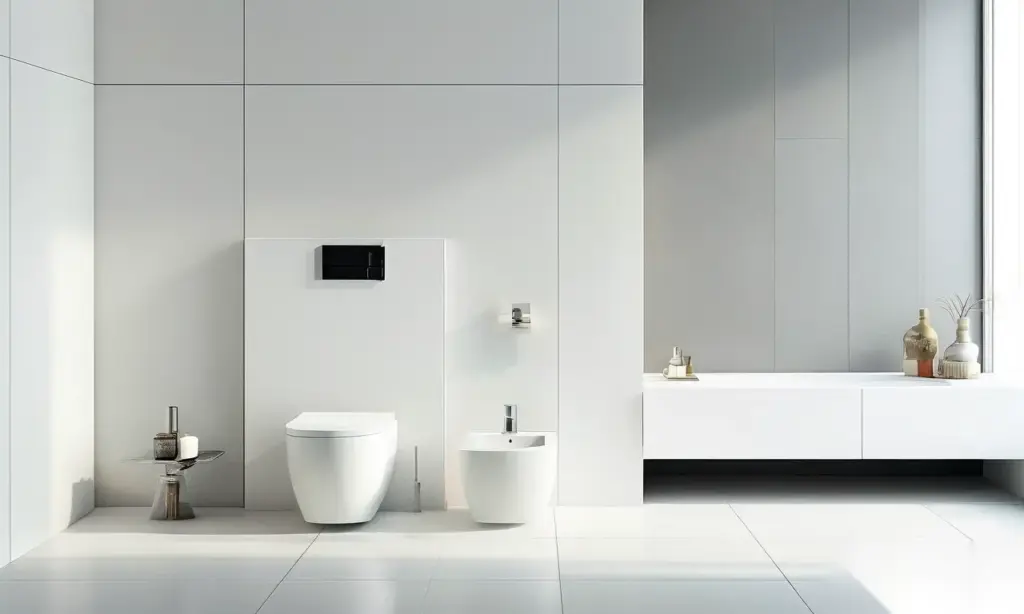
If you have ever wondered why almost every toilet you have ever seen is white and shiny, the answer is one word: porcelain. A porcelain toilet (properly called vitreous china) is the sanitary-ware standard for homes and most commercial buildings because it is hygienic, durable and surprisingly affordable. This 2026 guide explains what a porcelain toilet is made of, how it compares to ceramic and other materials, and how to choose one that stays clean and crack-free for decades.
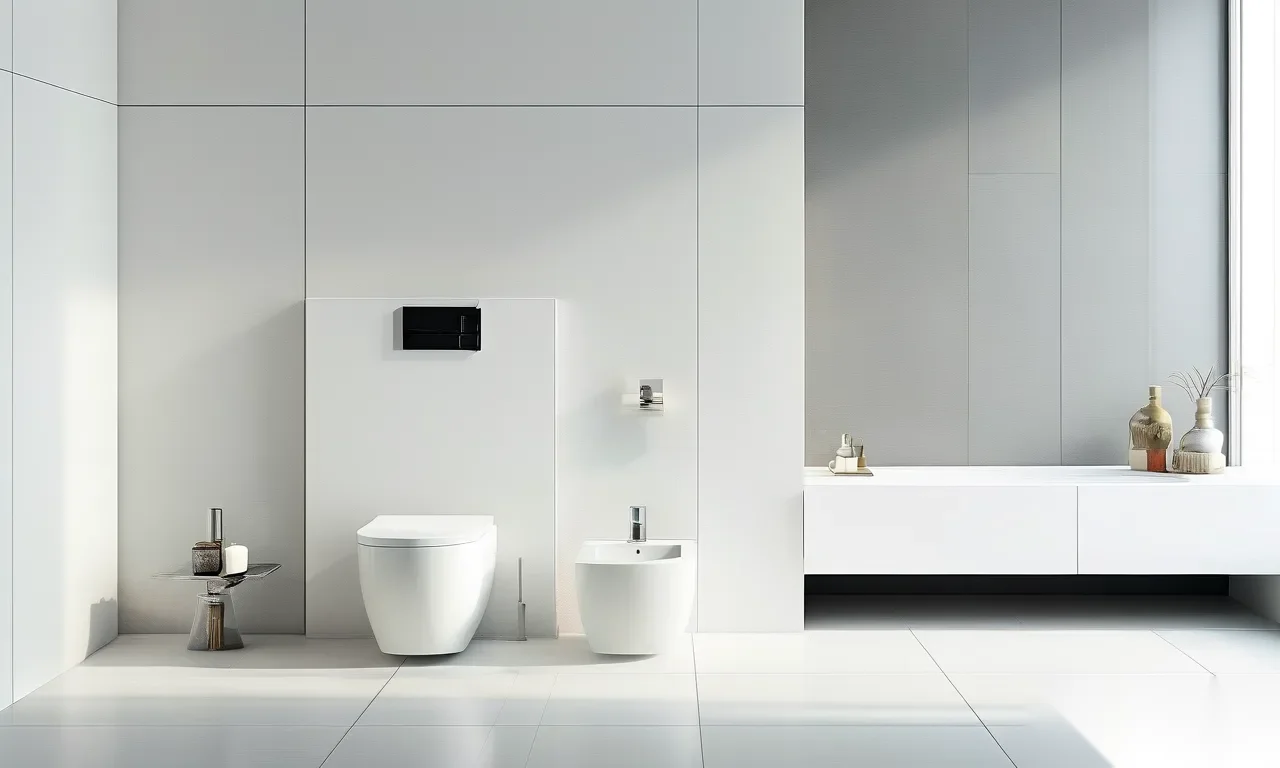
What is a porcelain toilet?
A porselen klozet is made from vitreous china: a refined clay body shaped, fired at high temperature, and finished with a glass-like glaze. After firing, the body is vitrified — meaning it becomes dense and non-porous. The result is a hard, glossy, waterproof surface that resists stains, odors and bacteria far better than ordinary ceramic or plastic. That glaze is the reason a well-made porcelain toilet bowl still looks new after years of use.
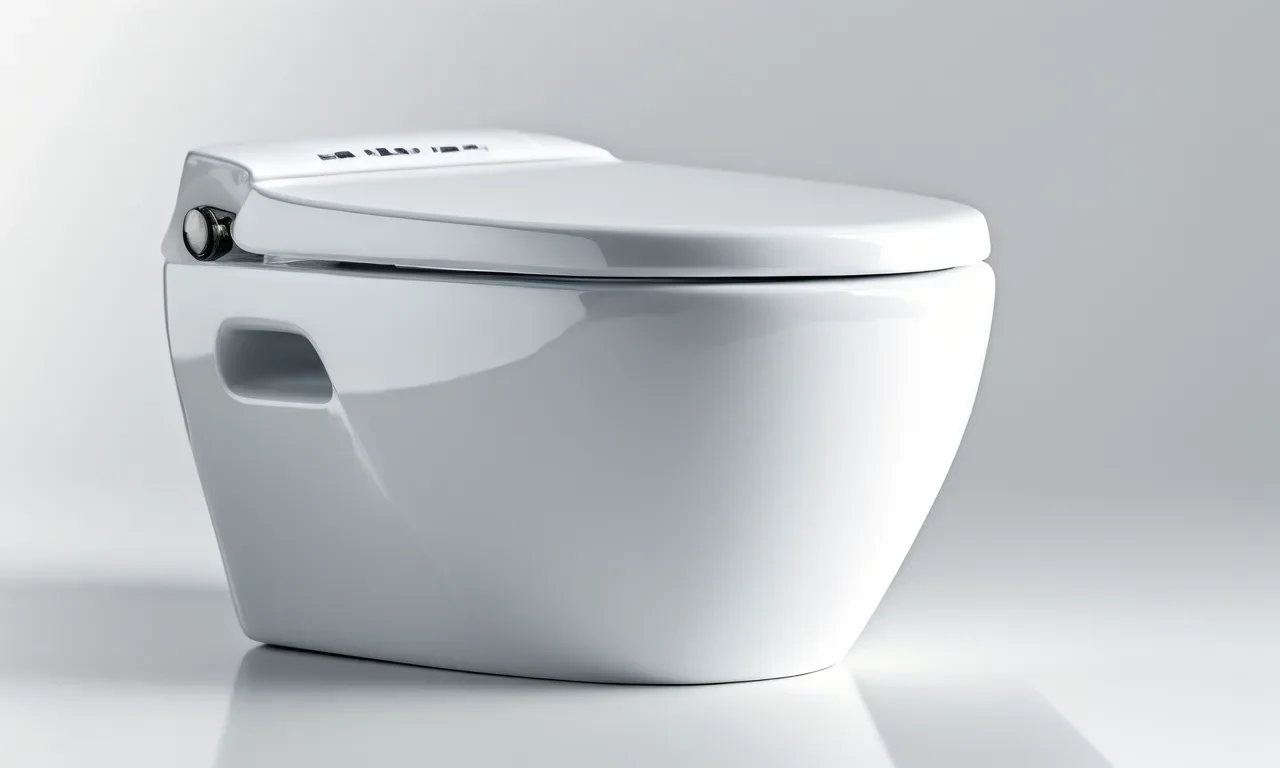
Why are toilets made of porcelain?
Out of every material you could build a toilet from, porcelain wins on the things a toilet actually needs. The main reasons:
- Non-porous & hygienic: the vitreous glaze blocks bacteria, odors and moisture from soaking in.
- Easy to clean: waste and limescale wipe off a smooth glaze far more easily than rough or porous surfaces.
- Chemically resistant: it shrugs off everyday bowl cleaners without degrading.
- Durable & stable: it holds its shape permanently, even in damp, hot bathrooms.
- Cost-effective: it is cheap to mass-produce compared with solid steel or engineered composites.
Porcelain vs ceramic toilet: are they the same?
Technically, porcelain is a type of ceramic, so a porcelain toilet is a ceramic toilet — but the terms are not interchangeable when you are buying. What people call a porselen klozet is properly vitreous china, while a generic ‘ceramic’ label may mean a body that is not fully vitrified and is more porous. When you compare ceramic vs porcelain toilet, look for the word vitreous: only fully vitrified bodies are non-porous and stain-resistant.
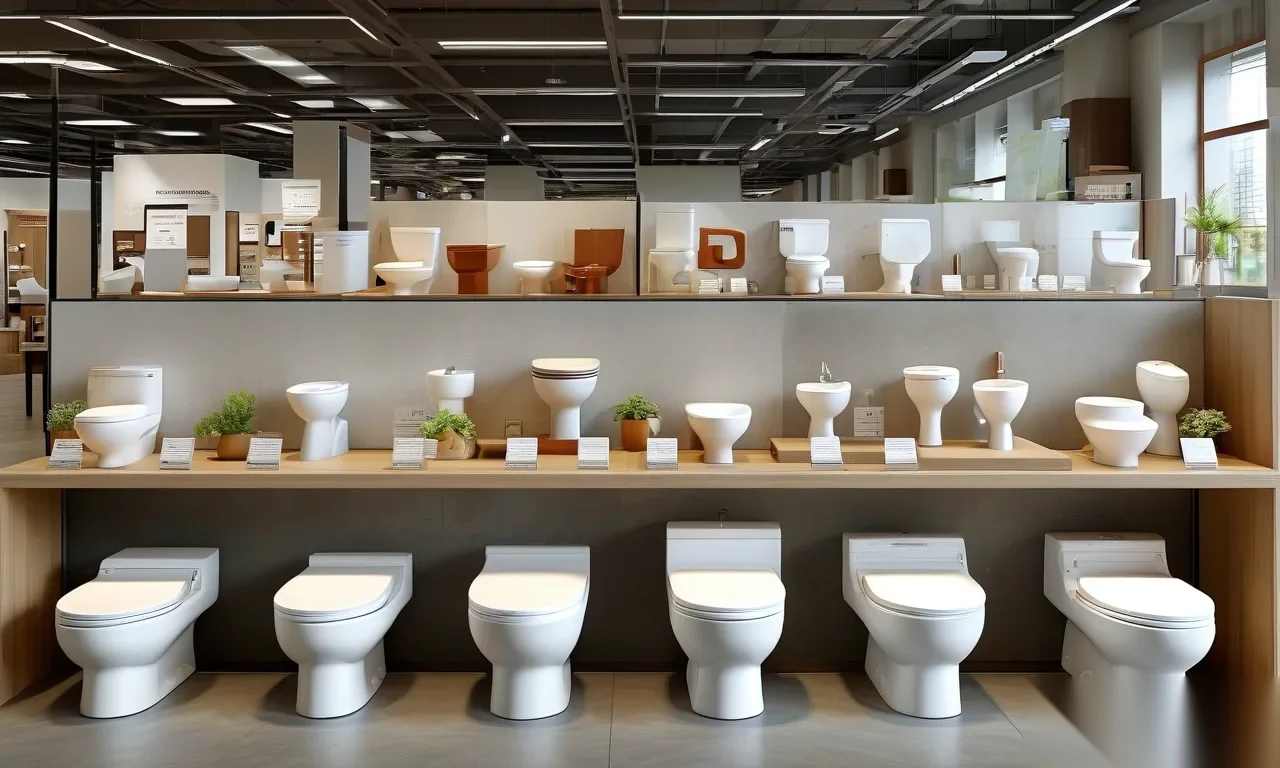
Porcelain vs other toilet materials
Porcelain is not the only option, so here is how it stacks up against the alternatives you might encounter:
| Malzeme | Hijyen | Dayanıklılık | Tipik kullanım |
|---|---|---|---|
| Porcelain / vitreous china | Excellent (non-porous) | 20-50+ yr | Homes, most commercial |
| Plain ceramic (not vitrified) | Moderate (can be porous) | 10-20 yr | Low-cost / decorative |
| Stainless steel | Mükemmel | Çok yüksek | Prisons, transit, labs |
| Plastic / molded | İyi | 5-10 yr | Portable / RV toilets |
| Concrete / designer | Poor (porous) | Değişken | Architectural statements |
For ordinary homes, porcelain toilets remain the best balance of hygiene, longevity and price. Stainless and plastic fill niche roles where security or portability matter more than looks.
Glaze quality: what actually separates good from bad
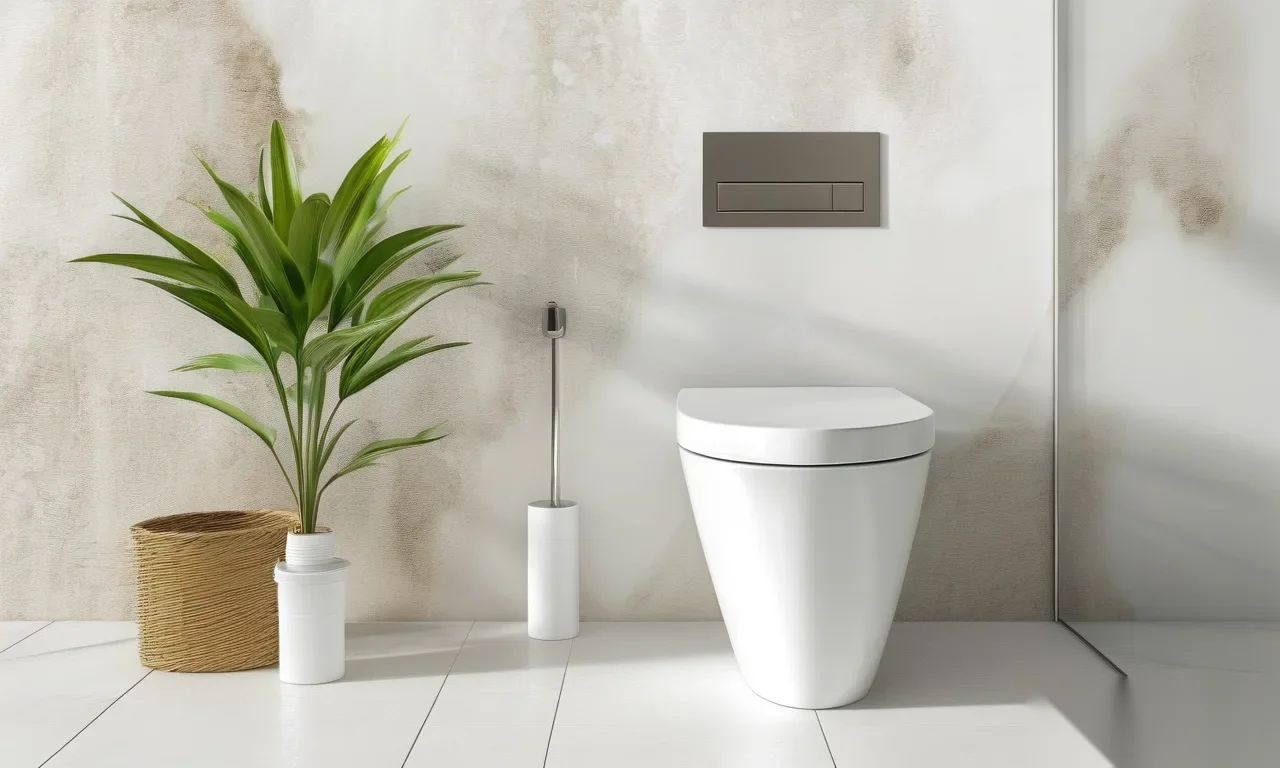
Two toilets can both be ‘porcelain’ yet feel worlds apart. The difference is the glaze. A thick, evenly fired vitreous glaze repels water and stains; a thin or uneven one develops rings and hairline cracks. When sourcing, ask about glaze thickness and whether the body is fully vitrified — this is what keeps a porcelain toilet bowl looking new.
Durability and lifespan
A quality porselen klozet typically lasts 20 to 50+ years, and often outlives the bathroom around it. The vitreous body itself almost never wears out; most replacements happen because of an impact crack, a failed flush valve, or a style update — not because the porcelain gave up. Careful installation on a level floor and a good glaze are the two things that push you toward the 50-year end.
Cleaning a porcelain toilet without damaging it
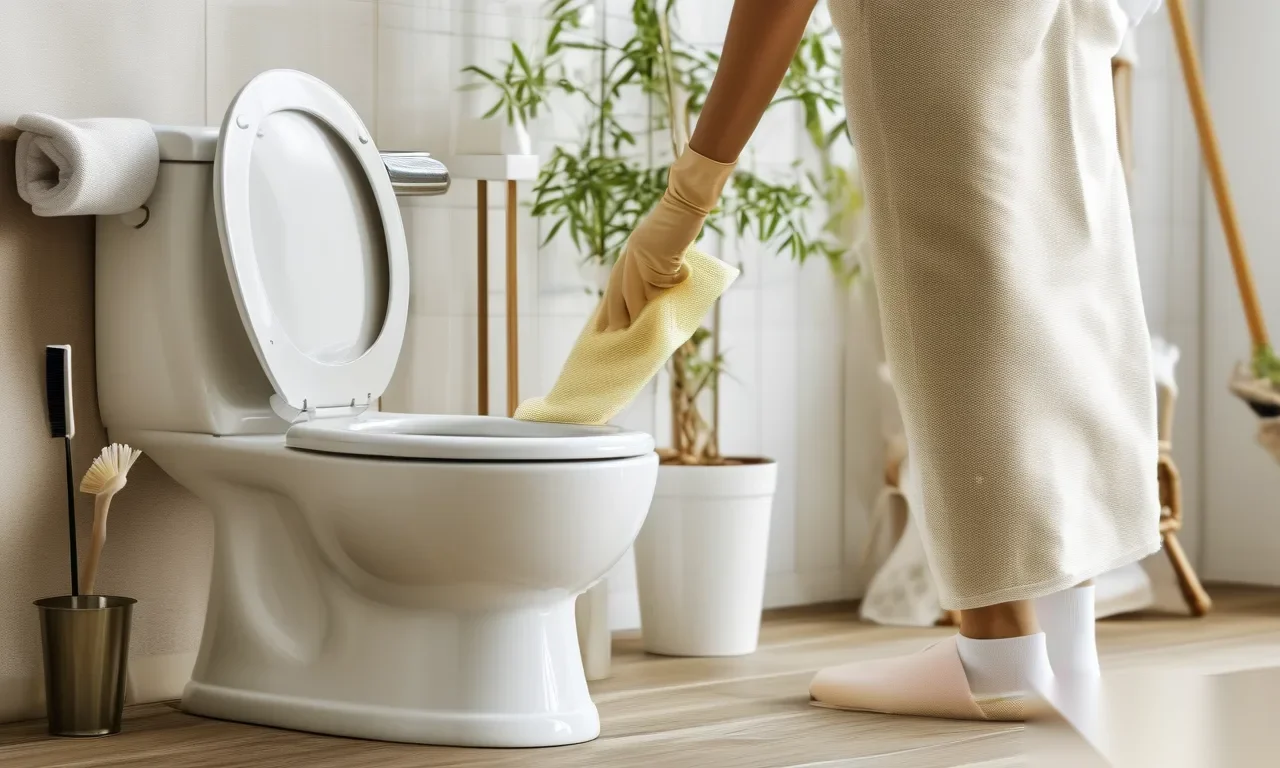
Keeping porcelain toilets clean is easy if you respect the glaze:
- Use a non-abrasive bowl cleaner and a soft brush — no steel wool.
- For hard-water rings, a mild acid (diluted white vinegar or citric cleaner) lifts scale without scratching.
- Don’t let bleach sit for long periods; rinse it through after use.
- Wipe the exterior with a damp microfiber cloth to keep the glaze glossy.
How to choose a porcelain toilet
When you buy a porselen klozet, the material is settled — now choose the form and specs that fit your bathroom. Combine this with the general tuvalet satın alma rehberi ve standard toilet height guide for the full picture:
- One-piece vs two-piece: one-piece hides the tank-to-bowl seam (easier to clean, sleeker); two-piece is cheaper and simpler to ship.
- Yükseklik: standard (~15 in) vs chair/comfort height (~17-19 in) — comfort height suits taller users and aging-in-place.
- Temel tesisat: measure the wall-to-drain distance (usually 12 in) before ordering.
- Glaze & water efficiency: confirm vitreous glaze and a modern low-flow (1.28 gpf or dual-flush) mechanism.
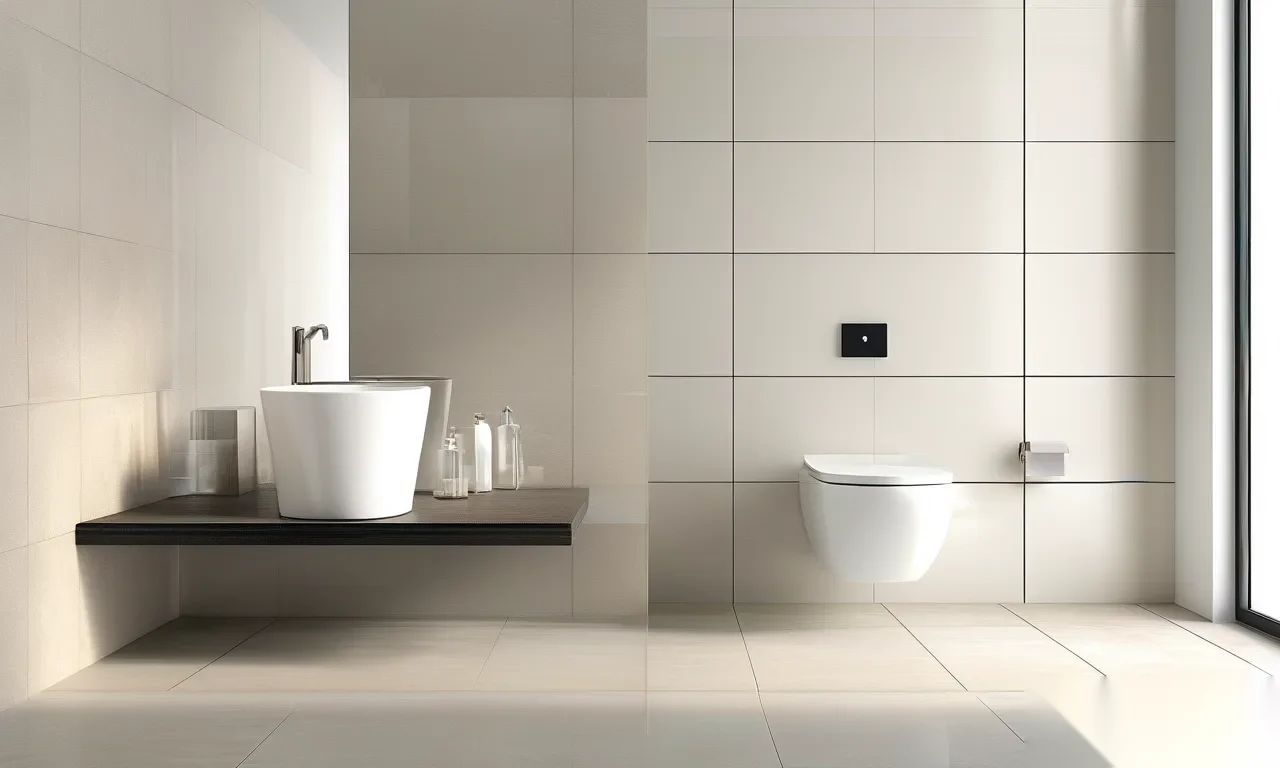
- Stil: a FenSo porcelain sanitary range offers floor-mounted and wall-hung options for compact or designer bathrooms.
Porcelain toilet vs ceramic: quick comparison
| Porcelain / vitreous china | Plain ceramic | |
|---|---|---|
| Porous? | No (vitrified) | Can be yes |
| Stain resist | Yüksek | Orta |
| Odor absorb | Hayır | Possible over time |
| En uygun olduğu durumlar | Toilets, sanitaryware | Decorative items |
| Price | Mid | Low-mid |
Sıkça sorulan sorular
Sonuç
A porselen klozet is the quiet workhorse of the bathroom: a vitreous-china body that is non-porous, easy to clean and built to last decades. When you compare ceramic vs porcelain toilet, the deciding factor is vitrification and glaze quality, not the word on the box. Choose a fully vitrified porcelain toilet bowl, match the height and rough-in to your space, and you will rarely think about your toilet again — which is exactly the point. Source vitreous-china sanitaryware from one Foshan partner to simplify logistics: explore FenSo’nun inşaat malzemeleri tedarik zinciri or the full sanitary ware product guide.
İlgili kılavuzlar
- How to Choose a Toilet 2026: Types, Flush Systems & Buyer’s Checklist
- Standard Toilet Height 2026: Standard vs Chair Height, Dimensions & Specs
- Bathroom Solutions & Sanitary Ware from FenSo Building
- Bathtub Buying Guide 2026: Types, Materials & Specs
- Shower Enclosure Buying Guide 2026: Types, Glass & Hardware