







Choosing the right window is one of the highest-leverage decisions in any residential or commercial build. The wrong window type drives up energy bills, fails weather seals within a few seasons, and creates warranty headaches that erode margin for contractors and distributors alike. This window buying guide walks B2B buyers—importers, contractors, developers and procurement managers—through the operating types, frame materials, glazing options and certifications you should specify before placing a container order.
Why the Right Window Type Matters for Your Project
A window is not a single product; it is a system of frame, glass, hardware and seal that has to perform against wind load, thermal movement, humidity and daily use. Get the window types and frame material wrong for the climate, and no amount of low price saves the project. The sections below let you shortlist options by performance, then by budget.
Window Operating Types Compared
Start with how the sash moves. The operating type determines ventilation, cleaning access, weather tightness and the clear opening you can achieve. Below are the six profiles most relevant to international projects.
Casement Windows
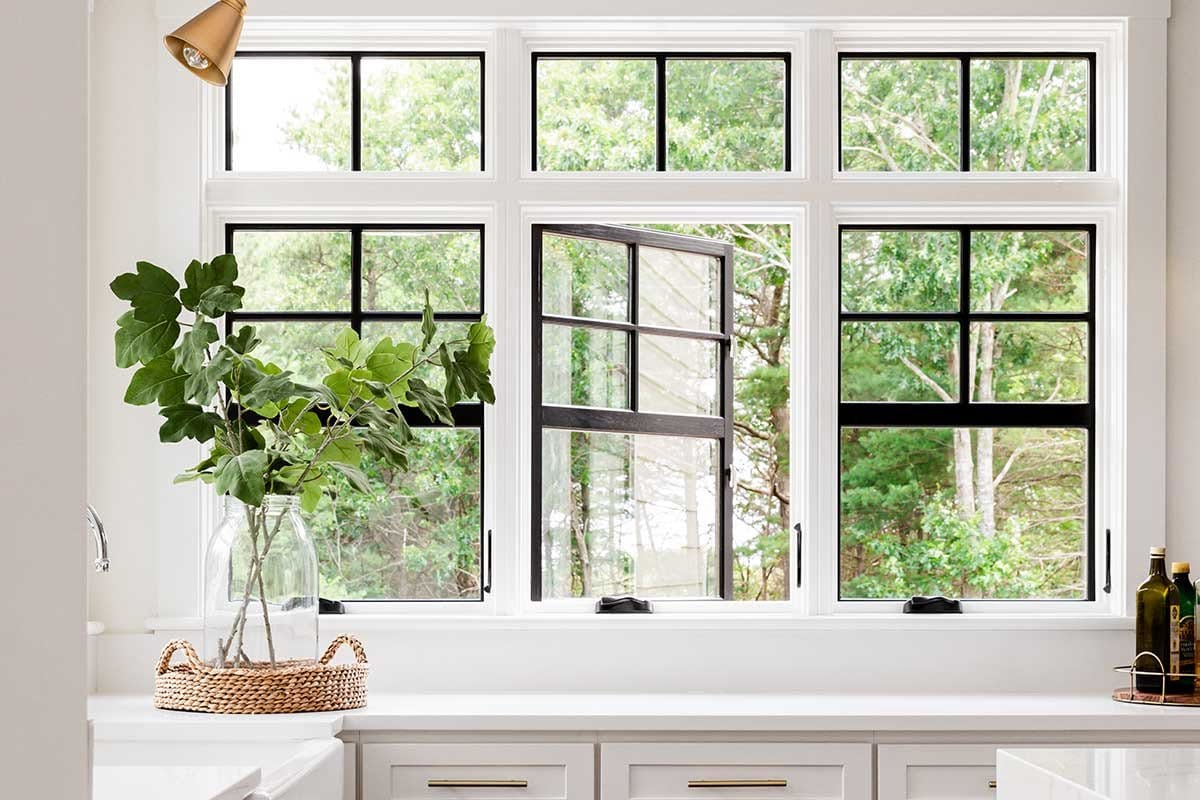
Casement windows crank outward on side hinges, sealing tightly against the frame when closed—excellent air infiltration ratings and unobstructed views. They are the default choice for bedrooms and living spaces where you want maximum ventilation and a clean sightline.
Sliding Windows
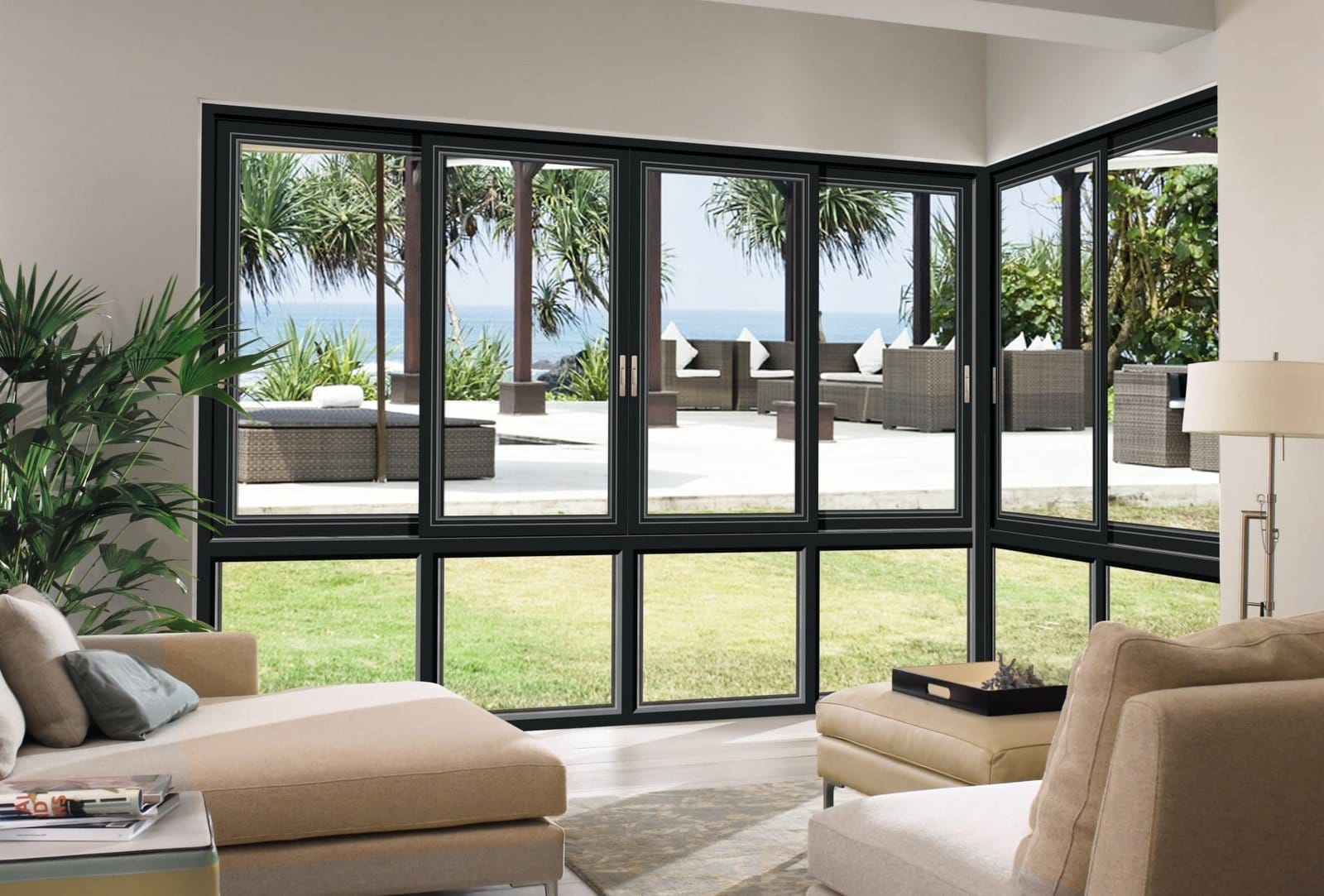
Sliding windows glide horizontally on a track. They are space-efficient (no swing clearance), easy to operate and cost-effective at scale, which is why they dominate apartments, offices and hospitality fit-outs. The trade-off is a slightly lower seal performance than casement.
Double-Hung & Single-Hung Windows
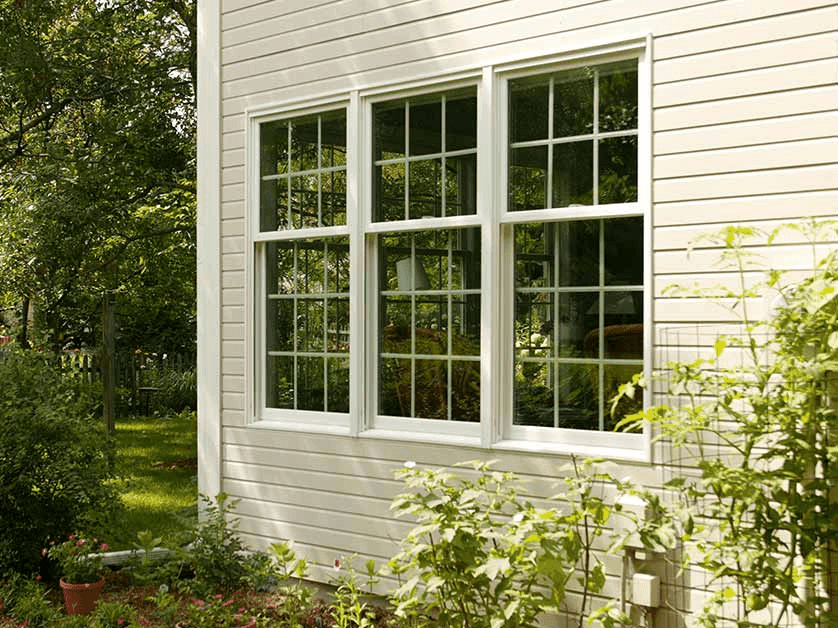
Double-hung windows let both the upper and lower sashes move; single-hung fixes the top. They suit heritage and North American residential aesthetics and simplify cleaning on upper floors. For tropical and Gulf projects, pair them with insect screens and weather stripping.
Awning & Hopper Windows
Awning windows hinge at the top and push out; hoppers hinge at the bottom. Both ventilate safely during rain and are common in bathrooms, kitchens and basements where privacy and weather protection matter more than a full open view.
Tilt-and-Turn Windows
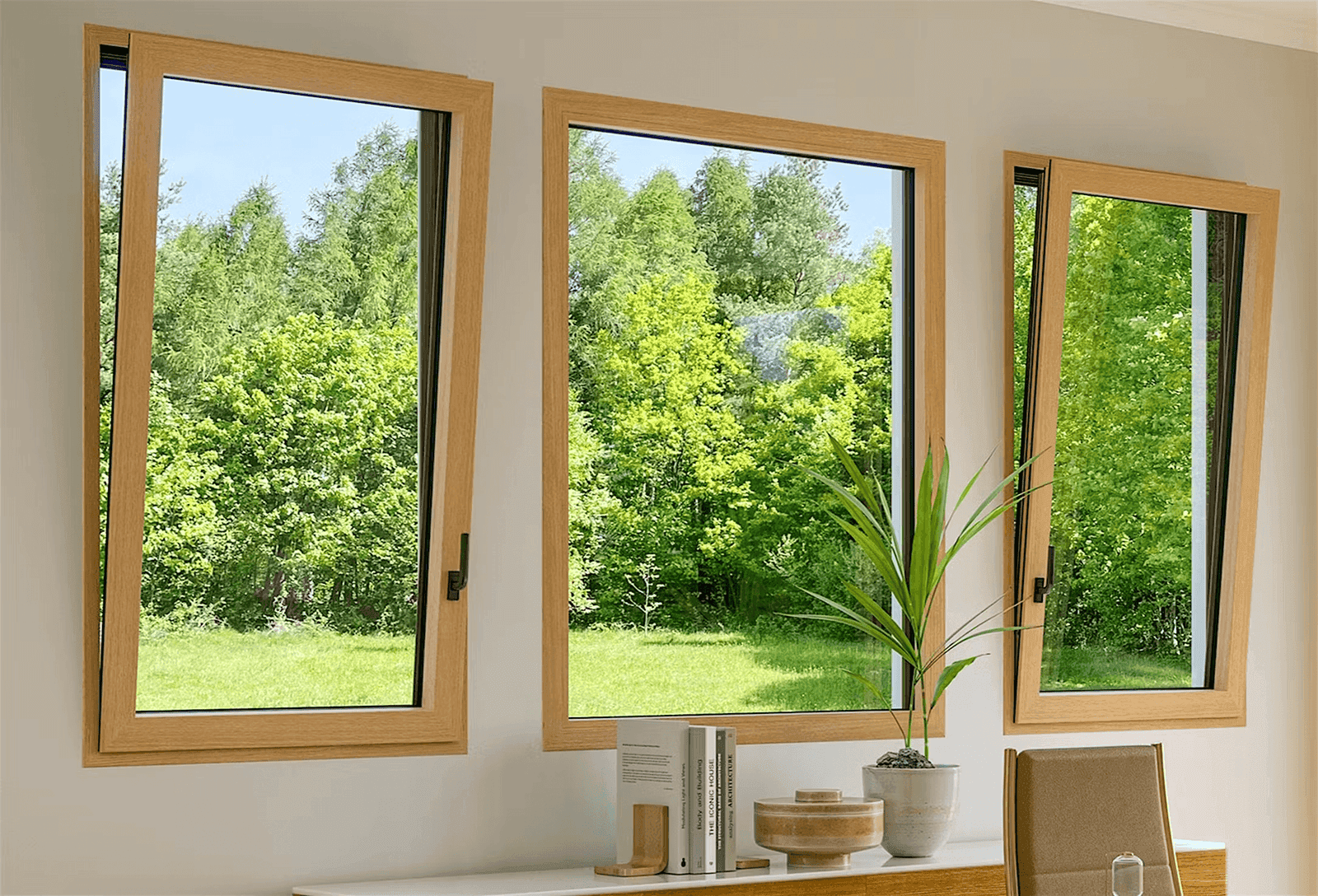
Tilt-and-turn windows offer two actions from one handle: tilt for secure background ventilation, turn for a full inward open that makes cleaning and egress effortless. Popular across Europe and high-end projects, they are the most versatile premium profile.
Fixed & Picture Windows
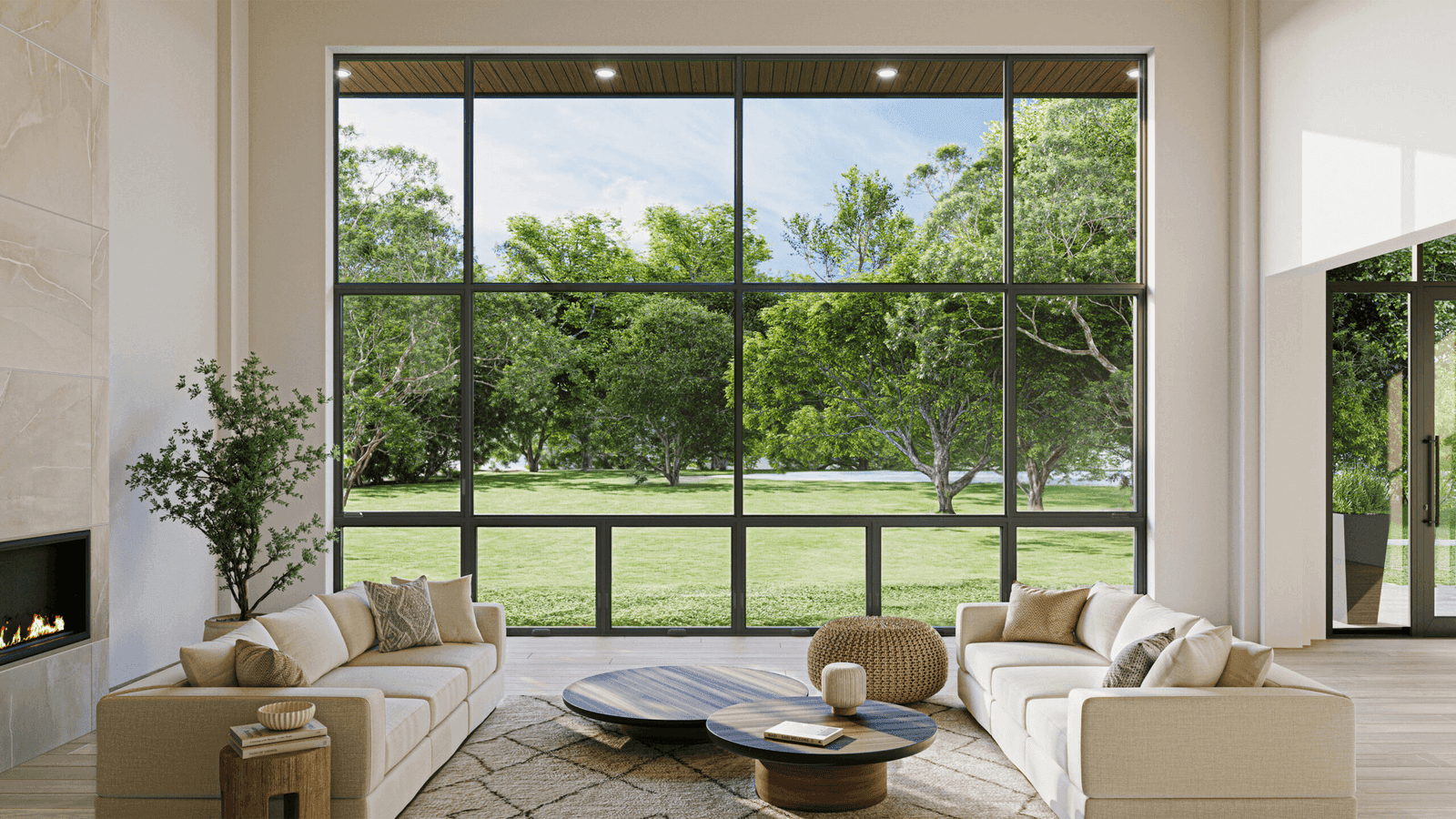
Fixed windows do not open. They are the most airtight and economical way to bring in daylight and frame a view, typically combined with operable units in a curtain wall or feature wall.
| Window Type | Ventilation | Weather Tightness | Best For |
|---|---|---|---|
| Casement | High | Excellent | Bedrooms, living areas |
| Sliding | Medium | Good | Apartments, offices |
| Double-Hung | Medium | Good | NA residential, heritage |
| Awning / Hopper | Medium | Very good | Bathrooms, kitchens |
| Tilt-and-Turn | High | Excellent | European, premium builds |
| Fixed | None | Best | Daylight, feature walls |
Window Frame Materials: Aluminium vs uPVC vs Wood
The frame is where most of the long-term performance—and most of the cost—lives. Here is how the leading materials compare for B2B sourcing.
Aluminium (Aluminum) Windows
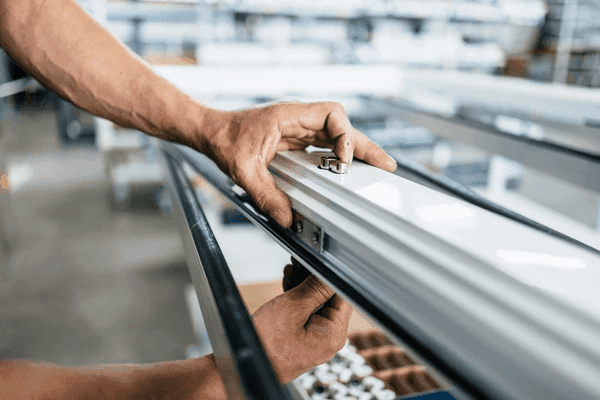
Aluminium windows are the workhorse of commercial and large residential projects. They are slim, strong, recyclable and almost maintenance-free, and modern thermal-break aluminium closes the insulation gap that once favored other materials. For hot, humid and coastal climates—Gulf, Southeast Asia, Australia—powder-coated aluminium resists corrosion far better than steel or untreated wood, which is why it is FenSo Building’s core window line.
uPVC / Vinyl Windows
uPVC frames deliver strong thermal insulation at a lower material cost and never need painting. They are ideal for budget residential programmes, though they lack the slim sightlines and structural span of aluminium and can warp under extreme heat if spec’d poorly.
Wood Windows
Wood offers unmatched warmth and natural insulation and suits heritage and luxury interiors. The downside is maintenance: regular sealing, vulnerability to termites and moisture, and higher shipping weight—factors that matter for tropical import markets.
Fiberglass, Composite & Clad
Fiberglass and composite frames combine stability with low maintenance; wood-clad aluminium gives you wood inside and aluminium outside. These sit at the premium end and are typically specified for high-end or regulated markets.
| Frame Material | Insulation | Maintenance | Durability | Typical Use |
|---|---|---|---|---|
| Aluminium (thermal-break) | Good–Excellent | Very low | Very high | Commercial, coastal, hot climates |
| uPVC / Vinyl | Excellent | Low | Good | Budget residential |
| Wood | Excellent | High | Medium | Heritage, luxury |
| Fiberglass / Composite | Excellent | Low | High | Premium residential |
Glass & Glazing Options
The glass unit does the real energy work. Specifying the right IGU (insulated glazing unit) is as important as the frame.
Double vs Triple Glazing
Double glazing is the global standard for comfort and condensation control. Triple glazing adds a third pane for colder climates and acoustic zones but increases weight and cost—rarely needed in warm markets.
Low-E, Laminated & Tempered
Low-E coatings cut solar heat gain without darkening the glass—essential for hot regions. Laminated glass improves safety and sound insulation; tempered glass is a code requirement for large panes, doors and wet areas. For coastal and high-rise projects, specify hurricane-rated or laminated tempered combinations.
How to Specify Windows for Different Climates
Match the system to the site. In hot and humid markets (Gulf, India, Southeast Asia), prioritize thermal-break aluminium, Low-E double glazing and corrosion-resistant coating. In cold markets, step up to triple glazing and insulated frames. For high-wind / coastal zones, demand certified structural ratings and stainless hardware.
B2B Sourcing Checklist: MOQ, Customization & Certification
Before you issue a purchase order, confirm these with your manufacturer:
- MOQ & lead time: container-load minimums, production and shipping windows.
- Customization: sizes, RAL colours, glass specs, hardware and screen options.
- Certifications: CE for Europe, AAMA/WDMA for North America, SASO for Saudi Arabia, and relevant hurricane/impact ratings.
- Warranty & spares: frame, hardware and IGU coverage, plus local spare-part availability.
- Packaging: corner protection and foam for long-sea transit to cut claim rates.
Why Source Windows from a Foshan Manufacturer
Foshan is China’s building-materials hub, with mature aluminium extrusion, glazing and hardware supply chains that keep both cost and lead times competitive. As a Foshan-based manufacturer, FenSo Building supplies thermal-break aluminium windows, sliding and casement systems, and full curtain-wall packages with customized colours, glass and certification support for export projects.
Frequently Asked Questions
What is the best window type for hot climates?
Thermal-break aluminium casement or sliding windows with Low-E double glazing offer the best balance of durability, sealing and solar control in hot, humid regions.
Are aluminium windows energy efficient?
Modern thermal-break aluminium windows are highly efficient; the polyamide break interrupts heat transfer and, paired with double glazing, meets most residential and commercial codes.
Which is cheaper: uPVC or aluminium?
uPVC is usually lower in material cost; aluminium costs more upfront but lasts longer with near-zero maintenance, which lowers lifetime cost for commercial and coastal projects.
Do I need certified windows for export?
Yes for regulated markets—CE (Europe), AAMA/WDMA (North America) and SASO (Saudi Arabia) are commonly requested, alongside impact ratings for coastal zones.
Conclusion
A smart window buying guide decision starts with the operating type, then the frame material, then the glazing—and ends with a manufacturer who can certify and customize at scale. Review FenSo’s full window and door range, then talk to our team about MOQ, colours and project specs.
Explore our Doors & Windows Solutions · Read the Windows & Doors Product Guide · Standard Door Height Measurements Guide