The flooring market in 2026 is being reshaped by three quiet but powerful shifts: waterproof cores went mainstream, sustainability moved from optional to baseline, and buyers are trading pure hardwood for engineered and rigid-core alternatives. For distributors and contractors, reading these trends early protects margin and stock decisions. Here is the 2026 flooring outlook from the Foshan production floor.
As a Foshan flooring supplier shipping worldwide, FenSo sees these shifts in weekly order data. This is our read on what to spec and stock in 2026.
1. Waterproof Rigid-Core Is the Default
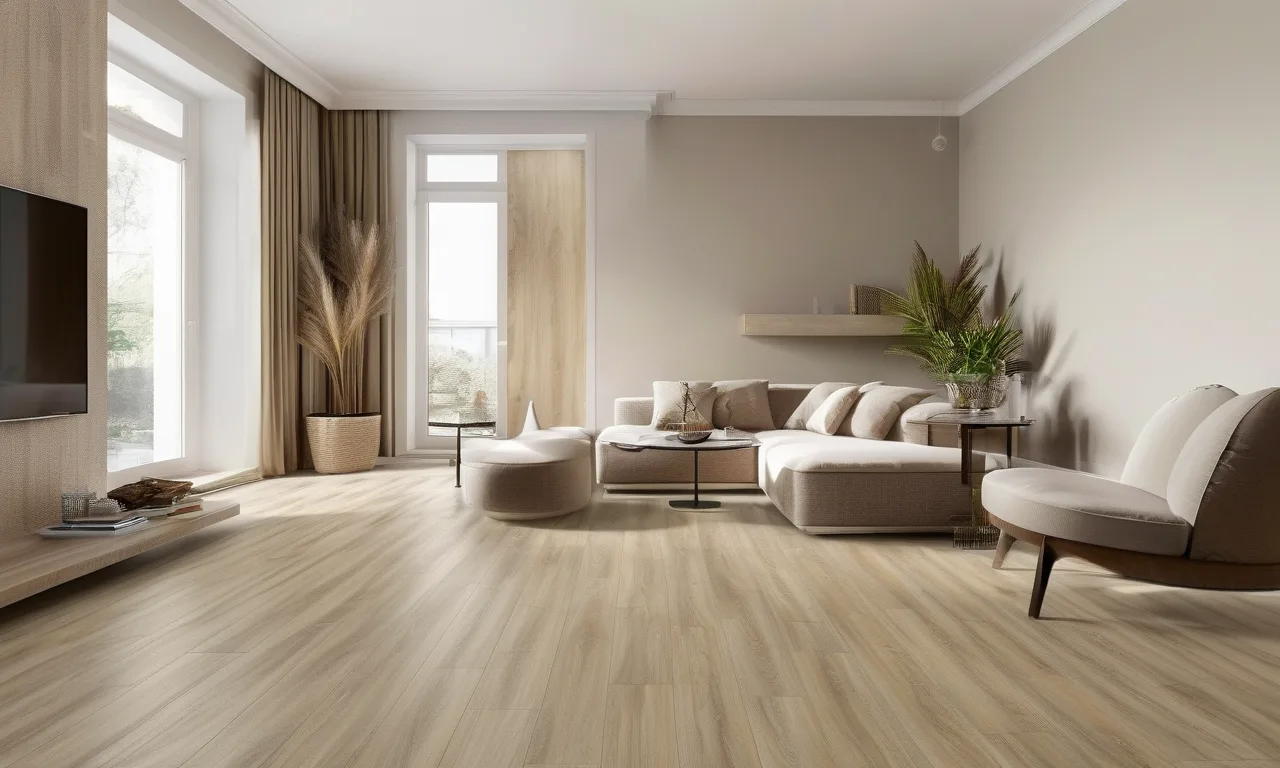
Luxury vinyl plank (LVP) with SPC/WPC rigid cores moved from “premium option” to the volume default for bathrooms, basements, and rentals. Buyers no longer accept swelling laminate.
For the spec detail, see our LVP vs laminate vs engineered wood cost & waterproof guide.
2. Engineered Wood Over Solid
Engineered wood – a real hardwood veneer over a stable plywood core – now out-sells solid in most export markets. It handles humidity better and costs less to ship.
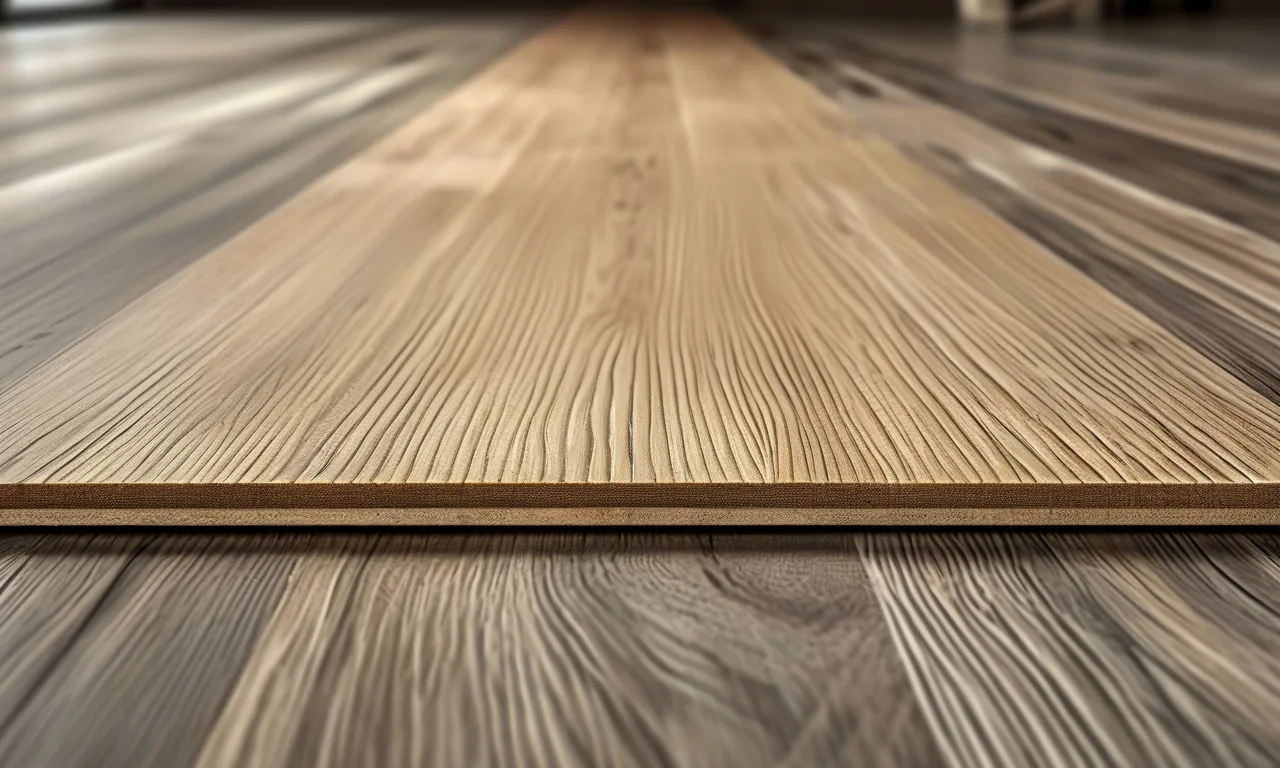
- Why: dimensionally stable, wider plank options, lower freight per m2.
- Sell it: pair with a waterproof core hybrid for the premium segment.
3. Sustainability & Low-Emission Boards
CARB/E0/E1, FSC, and green-building specs are now baseline for EU and regulated markets. Low-VOC finishes and recycled content are qualifiers, not differentiators.
- Water-based UV-cured finishes replacing solvent coatings.
- FSC-certified and recycled-content boards for ESG-driven projects.
- Test reports tied to each SKU, not a generic brand PDF.
4. Large-Format Tile & Stone-Look
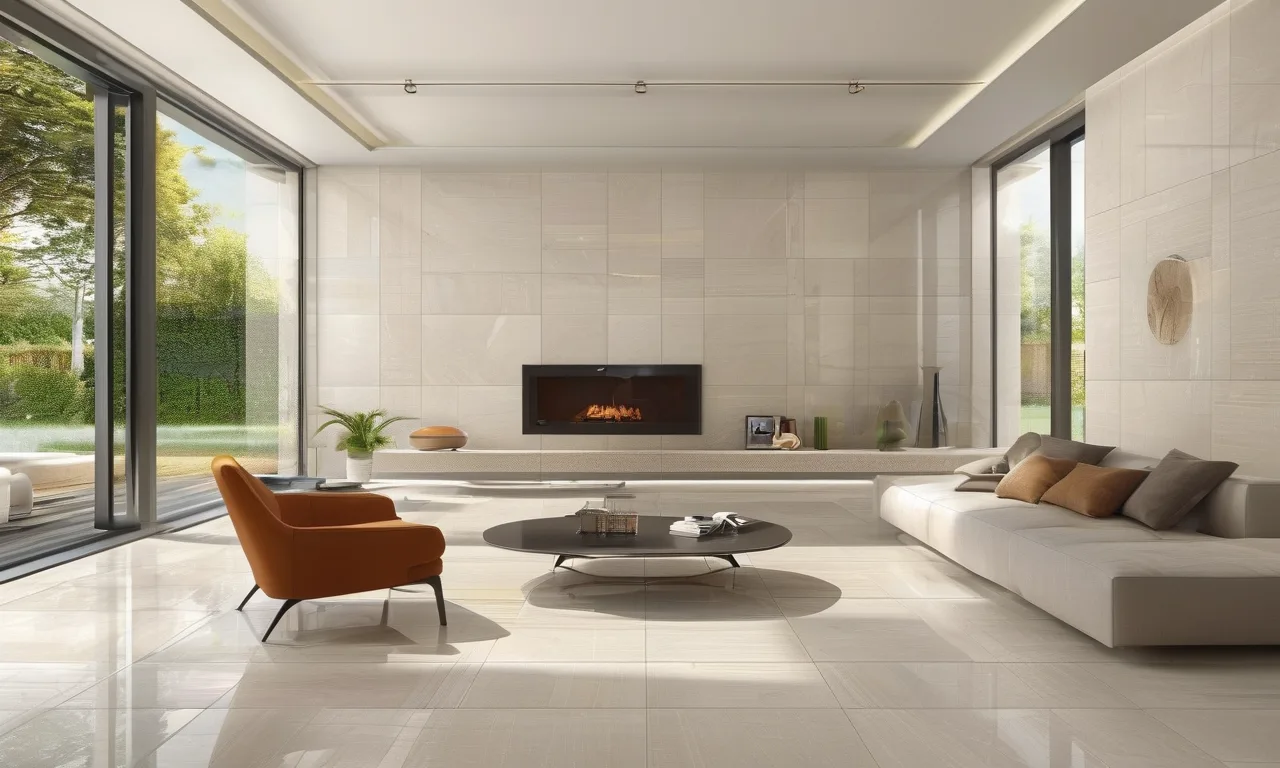
Big-format porcelain and realistic stone-look surfaces keep climbing for their durability and premium read, especially in wet areas and luxury builds.
5. Warm Neutrals & Wide Planks
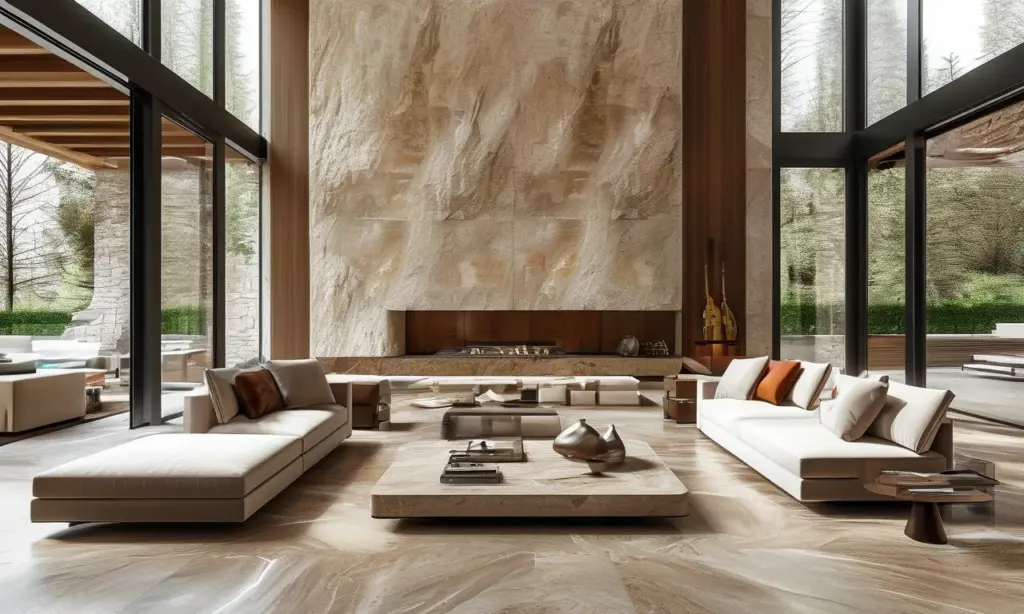
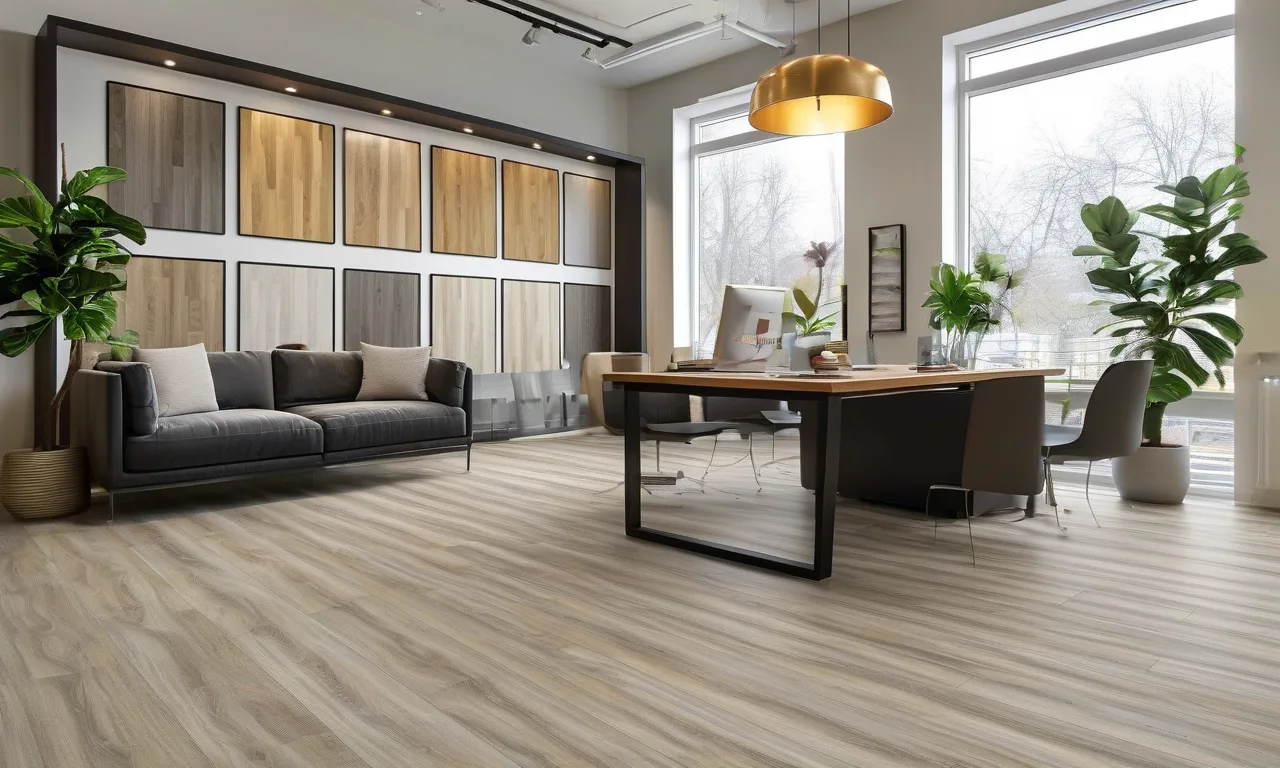
The 2026 palette leans warm greige, natural oak tone, and wider planks (190mm+) that read more expensive and modern. High-contrast gray is fading.
Regional Demand Shifts
| Region | What’s hot in 2026 | Stock implication |
|---|---|---|
| North America | LVP, wide oak, low-VOC | Waterproof rigid-core lines + engineered oak |
| EU | E0/E1, FSC, stone-look tile | Certify boards; lead with documentation |
| Gulf / KSA | Heat/humidity-proof, value | Waterproof builds; see pine vs oak guide |
| Australia | Coastal-durable, modern | Moisture-resistant carcasses |
What Distributors & Contractors Should Do in 2026
- Make waterproof rigid-core the hero SKU – it is where volume and margin meet.
- Shift sample books to engineered wood – lower freight, better stability, wider appeal.
- Pre-certify finishes (E0/E1, FSC) so regulated-market RFQs don’t stall.
- Lead with warm neutrals and wide planks – the 2026 look buyers expect.
- Modularize so one core serves multiple top-layer finishes.
For wood-species selection, see our oak vs walnut vs maple comparison.
FAQ
What is the biggest flooring trend for 2026?
Waterproof rigid-core LVP becoming the volume default, with engineered wood and warm-neutral wide planks close behind.
Is engineered wood better than solid in 2026?
For most export and humid markets, yes – it is stable, cheaper to ship, and offers wider plank options without solid-wood movement issues.
How should distributors prepare for EU rules?
Pre-certify boards to E0/E1 and FSC, keep test reports per SKU, and lead with documented sustainability.
Which flooring is best for humid markets?
Waterproof rigid-core LVP or tile – both shrug off humidity that warps laminate and solid wood.
Conclusion
2026 rewards suppliers who lead with waterproof rigid-core, engineered wood, certified low-emission boards, and warm-neutral wide planks. Distributors and contractors who pre-stock this profile will win the RFQs others cannot fulfill.
Want the 2026 flooring spec sheet and FOB pricing? Talk to FenSo’s B2B team for samples, certifications, and a tailored catalog for your region.
Related: flooring supplier China