





Flooring is the surface every room depends on, and the wrong spec means squeaks, swelling or premature wear that no amount of decor hides. This flooring buying guide compares the main floor types—solid hardwood, engineered wood, laminate, LVP and tile—so importers, contractors and developers can specify the right product by room, climate and budget in 2026.
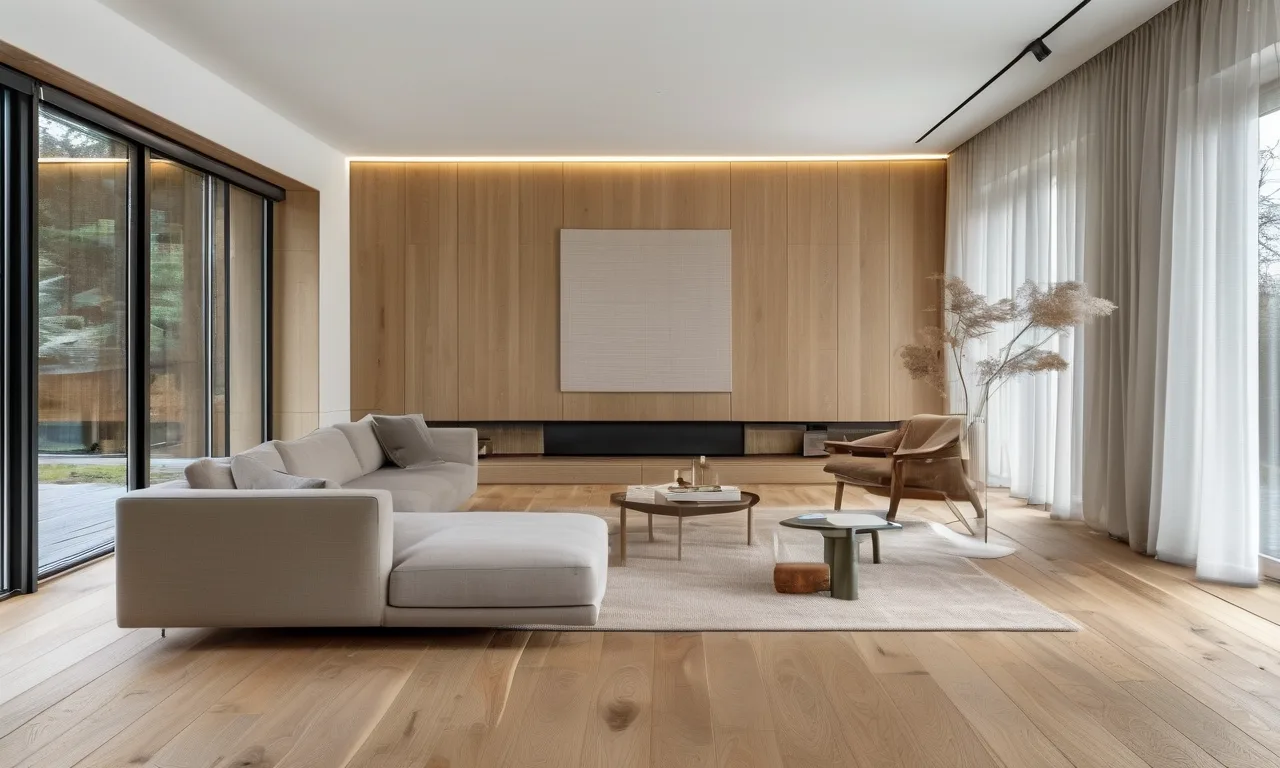
Why the Flooring Choice Drives the Whole Build
Flooring sets the tone, the acoustics and the maintenance load of a space. It also carries the longest replacement cycle of almost any finish—so getting the type, wear layer and water resistance right up front protects margin and client satisfaction. For B2B buyers, standardizing a floor system across a project simplifies procurement, QC and after-sales.
Flooring Types Compared
Solid Hardwood
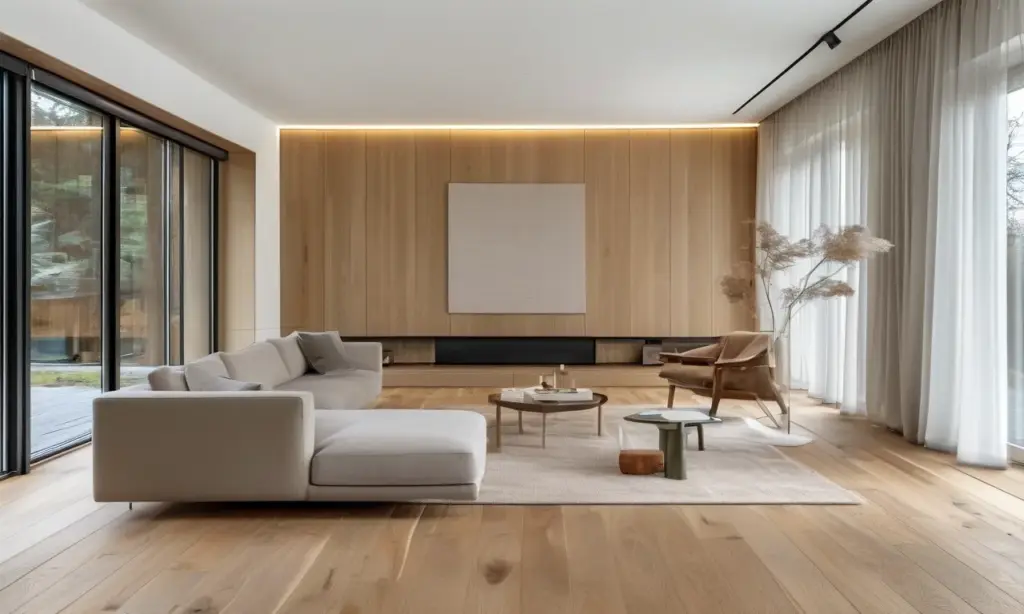
Solid hardwood is one piece of timber top to bottom—unmatched warmth and the only floor you can refinish repeatedly. It suits living rooms and bedrooms in stable, climate-controlled buildings, but it is moisture-sensitive and not ideal for bathrooms or basements.
Engineered Wood
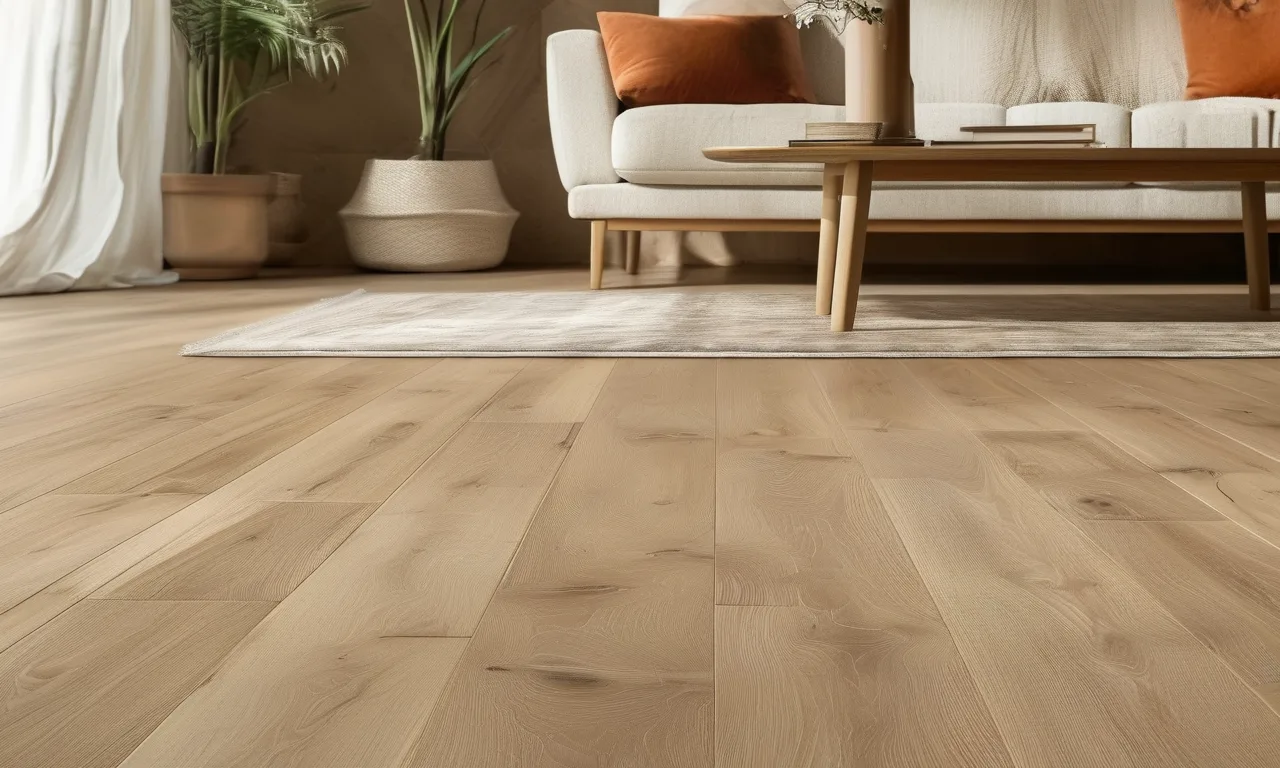
Engineered wood pairs a real wood veneer over a plywood or HDF core, giving hardwood looks with far better dimensional stability. It handles humidity and radiant heat better than solid, and is the workhorse for quality residential and hospitality floors.
Laminate
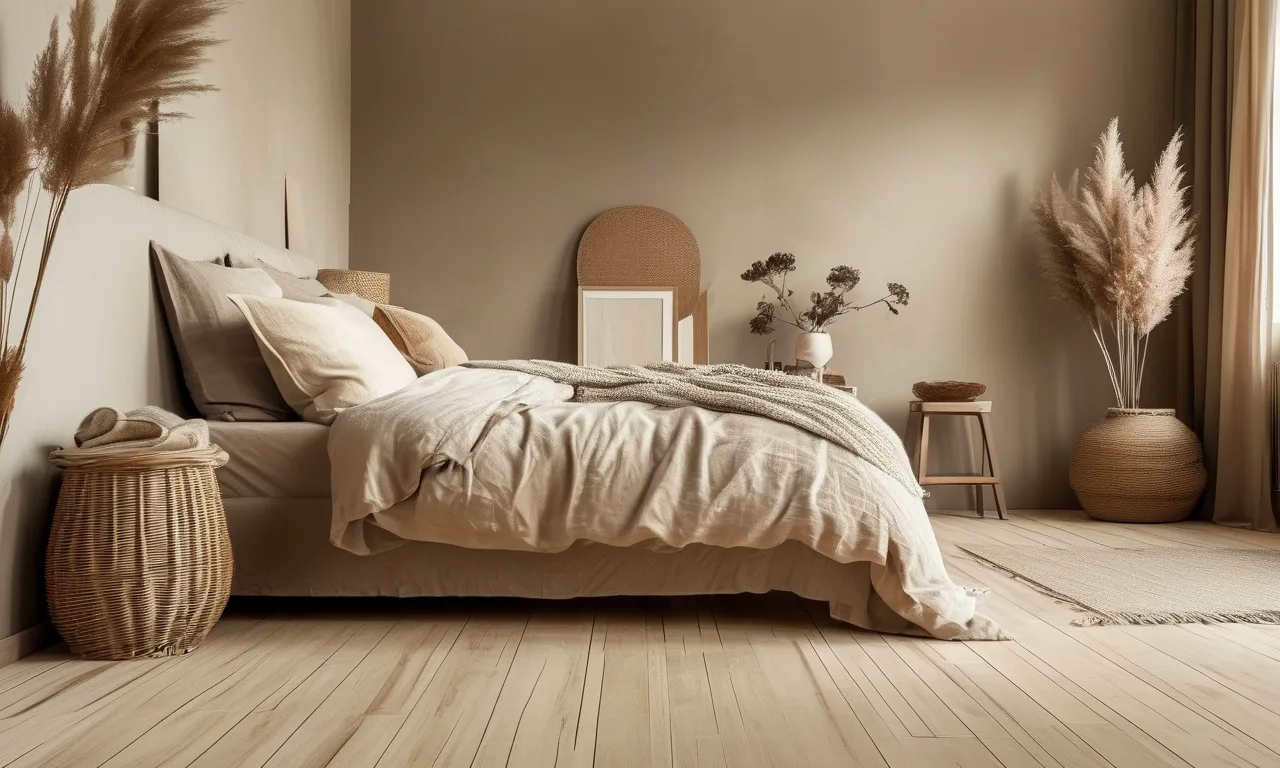
Laminate is a printed décor layer over a dense core—durable, scratch-resistant and budget-friendly. It mimics wood convincingly at a fraction of the cost, making it a strong choice for rentals, bedrooms and high-traffic commercial spaces.
LVP / Luxury Vinyl Plank
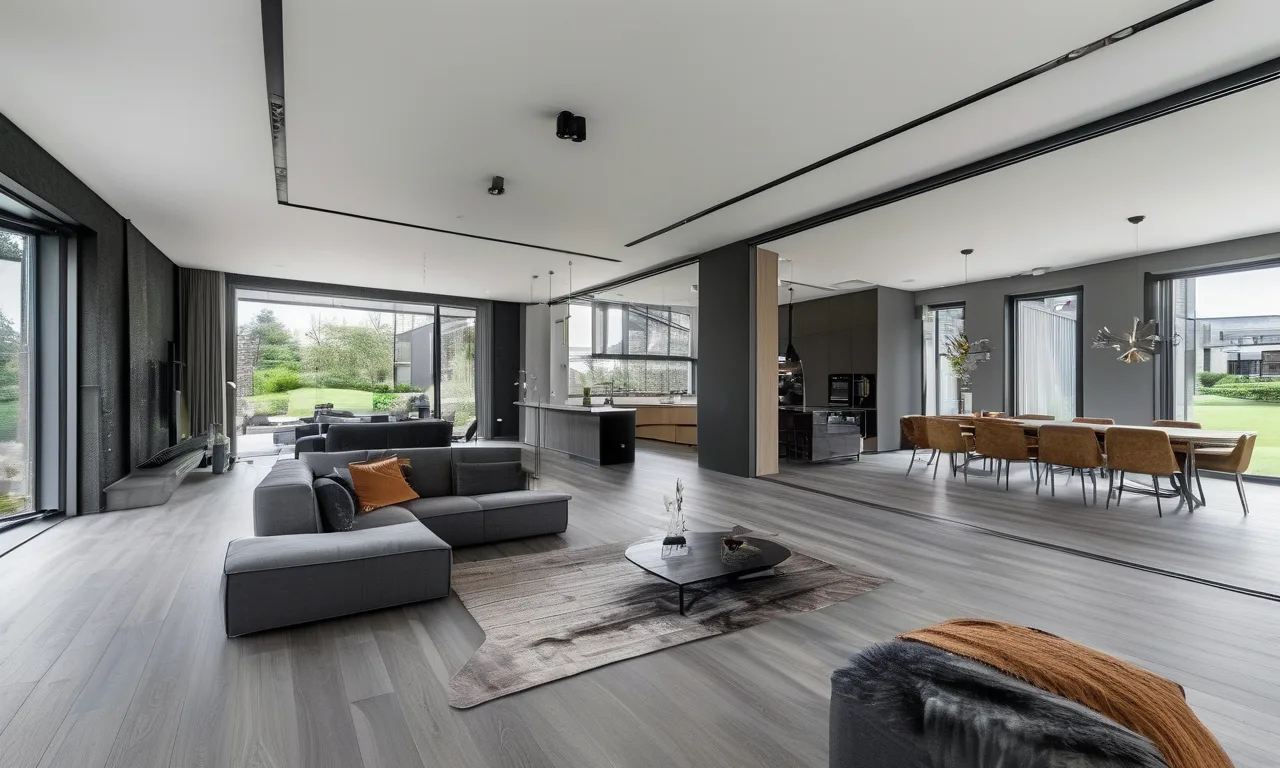
LVP is a vinyl plank with a realistic wood (or stone) print and a waterproof core. It is the go-to for kitchens, bathrooms and basements where water resistance matters, and modern rigid-core LVP is comfortable underfoot and quiet.
Tile & Porcelain
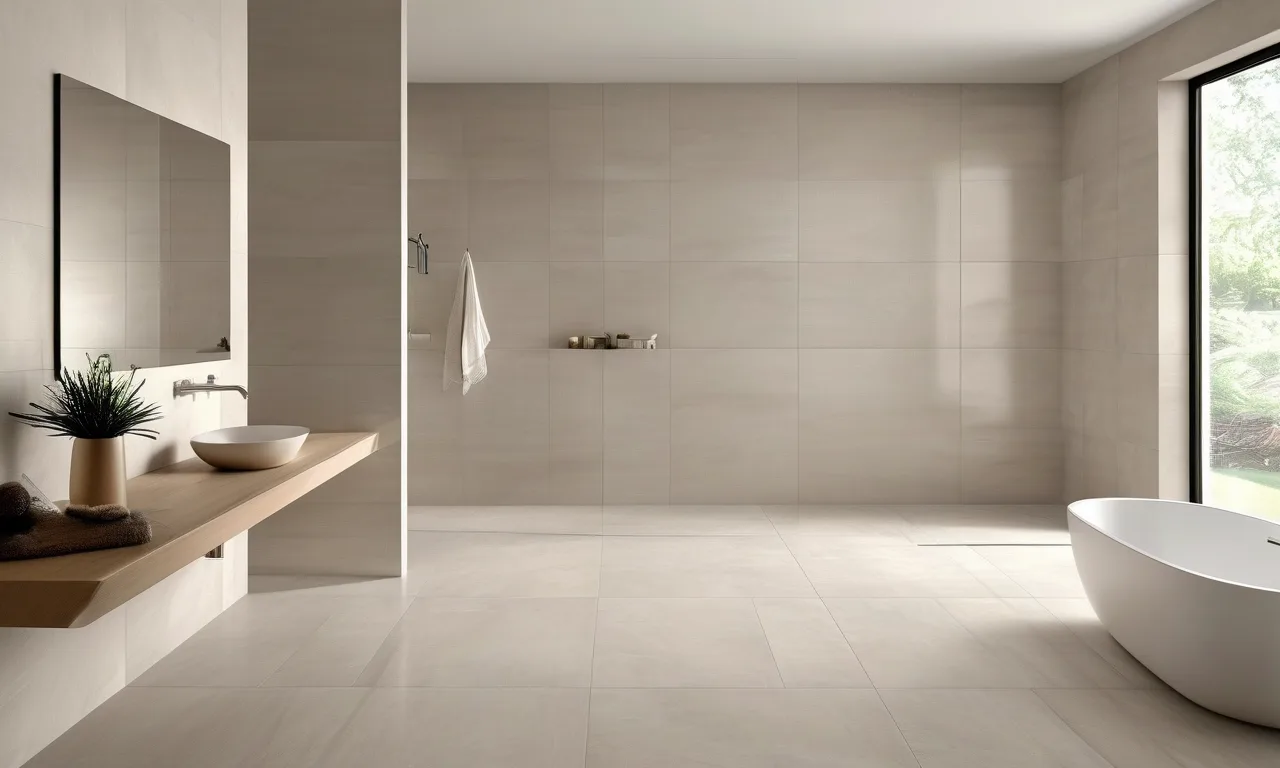
Porcelain and ceramic tile are the most water-proof and durable option, ideal for wet areas, entryways and warm-climate builds. Large-format matte porcelain reads contemporary and pairs with underfloor heating.
| Type | Water Resistance | Durability | Cost | Best For |
|---|---|---|---|---|
| Solid Hardwood | Low | High (refinishable) | High | Living, bedroom |
| Engineered Wood | Medium | High | Medium–High | Whole-home, humidity |
| Laminate | Low–Medium | Good | Low–Medium | Rentals, bedrooms |
| LVP | Excellent | Good–High | Medium | Kitchen, bath, basement |
| Tile / Porcelain | Best | Very high | Medium–High | Wet areas, entry, heat |
Design: Herringbone, Parquet & Wide Plank
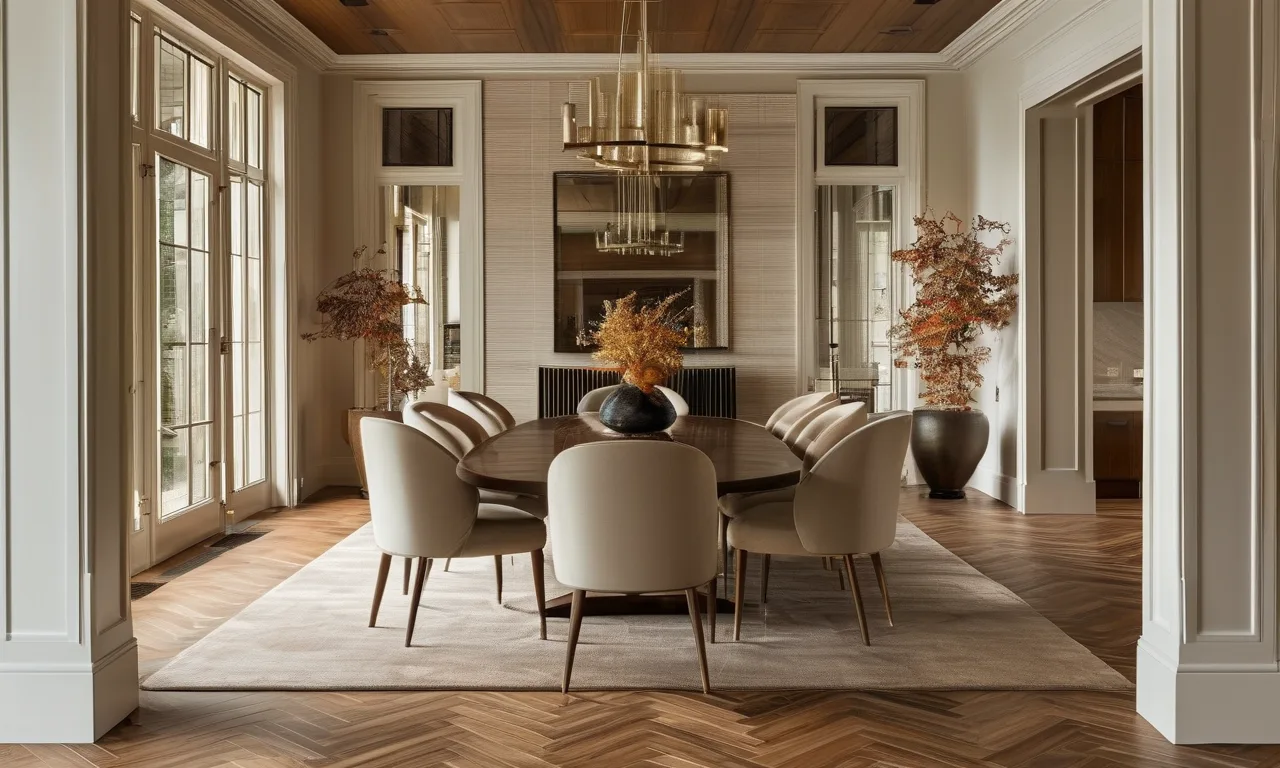
Pattern elevates a basic floor. Herringbone and parquet add craft and perceived value; wide-plank boards read modern and expansive. These are specification choices layered on top of the base material—an engineered or LVP floor can still carry a herringbone layout.
How to Choose Flooring by Room
- Kitchen: LVP or tile—water and drop resistance first.
- Bathroom: tile or waterproof LVP only; never unsealed wood.
- Living room: engineered or solid hardwood for warmth and resale.
- Bedroom: laminate, engineered or solid—comfort and quiet matter most.
- Basement: rigid-core LVP—handles moisture and minor unevenness.
Materials & Construction
Look past the surface. For engineered and LVP, the wear layer thickness (20–30 mil for LVP, 2–4 mm veneer for engineered) drives lifespan. The core—plywood, HDF or stone-polymer (SPC)—sets stability and water behavior. The finish (UV-cured lacquer, oil, matte) sets look and upkeep.
Waterproof & Pet-Proof Flooring
For families, rentals and humid markets, specify waterproof cores (SPC LVP) and scratch-resistant coatings. Sealed edges and tight click-lock joints stop spills reaching the subfloor—critical in Gulf and tropical imports.
Installation: Click-Lock vs Glue-Down vs Nail-Down
| Method | Speed | Subfloor | Best For |
|---|---|---|---|
| Click-Lock / Floating | Fast | Any flat | LVP, laminate, engineered |
| Glue-Down | Medium | Concrete, wood | LVP, engineered, tile |
| Nail-Down | Slower | Wood joists | Solid hardwood |
Cost Factors for B2B Sourcing
- Base material: solid > engineered > LVP > laminate on typical $/m².
- Wear layer & thickness: thicker = pricier but longer life.
- Pattern: herringbone adds labor and waste (10–15%).
- Volume: container/MTO programs beat single-room pricing.
- Certification: FloorScore, CE or CARB compliance for regulated markets.
B2B Sourcing from a Foshan Manufacturer
Foshan’s building-materials cluster covers engineered wood, LVP, laminate and tile under one roof, with consistent QC and export packaging. As a Foshan-based manufacturer, FenSo Building supplies flooring and stone systems with sample sign-off and project-scale volume—pair floors with our flooring & marble solutions for a coordinated spec.
Frequently Asked Questions
What is the most waterproof flooring?
Porcelain tile is best, followed by rigid-core (SPC) LVP. Both handle standing water; unsealed wood and laminate do not.
Engineered wood or solid hardwood?
Engineered for humidity, radiant heat and whole-home use; solid where you want repeated refinishing and maximum resale in stable climates.
Is LVP better than laminate?
For water and basements, yes—LVP is waterproof where laminate is only water-resistant. Laminate wins on a tighter budget for dry rooms.
Can I order flooring from China?
Yes—specify wear layer, core, plank size and certification; a Foshan manufacturer handles sampling, QC and container shipping.
Conclusion
A sound flooring buying guide decision starts with the room and the water risk, then the material and wear layer—and ends with a manufacturer who can deliver at volume. Review FenSo’s full flooring range, then talk to our team about your project specs.
Explore Flooring & Marble Solutions · LVP vs Laminate vs Engineered Wood · Pine vs Oak Flooring · Flooring Market Trends 2026 · Oak vs Walnut vs Maple