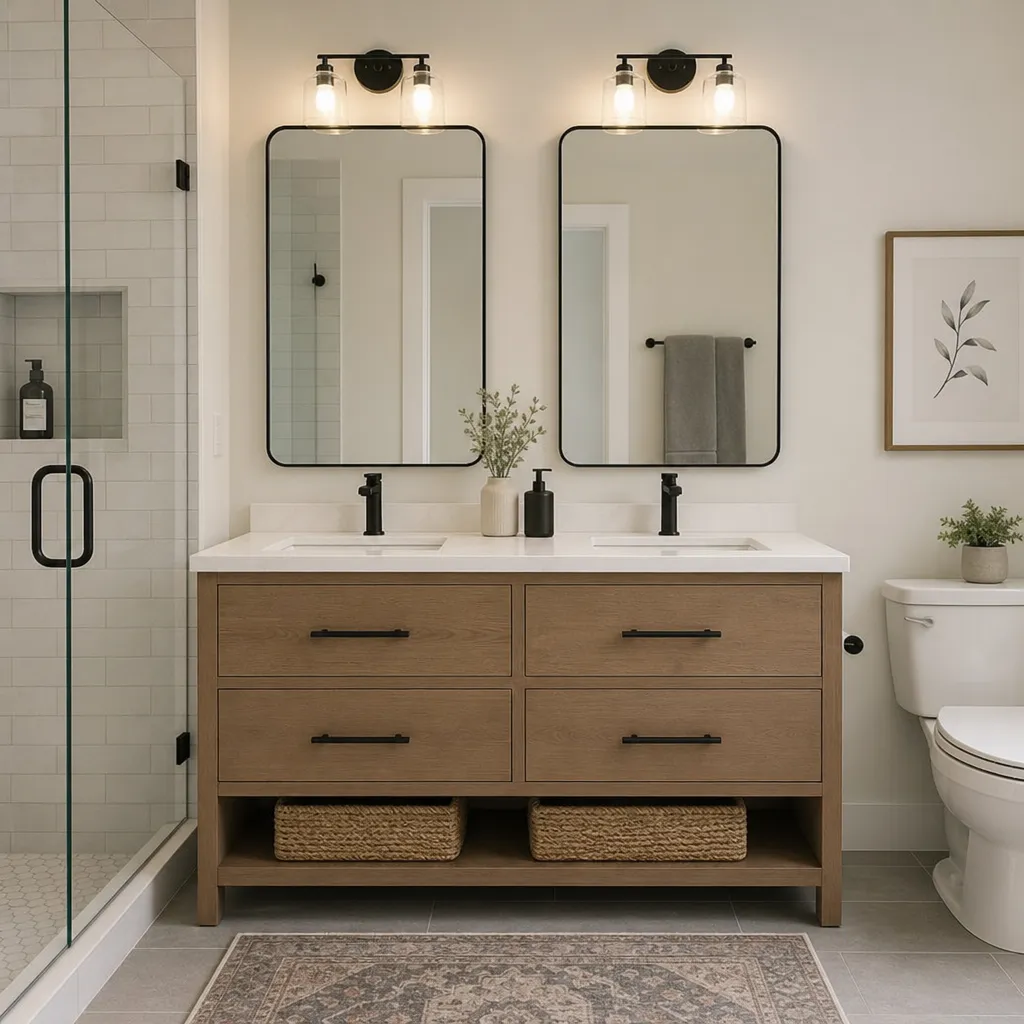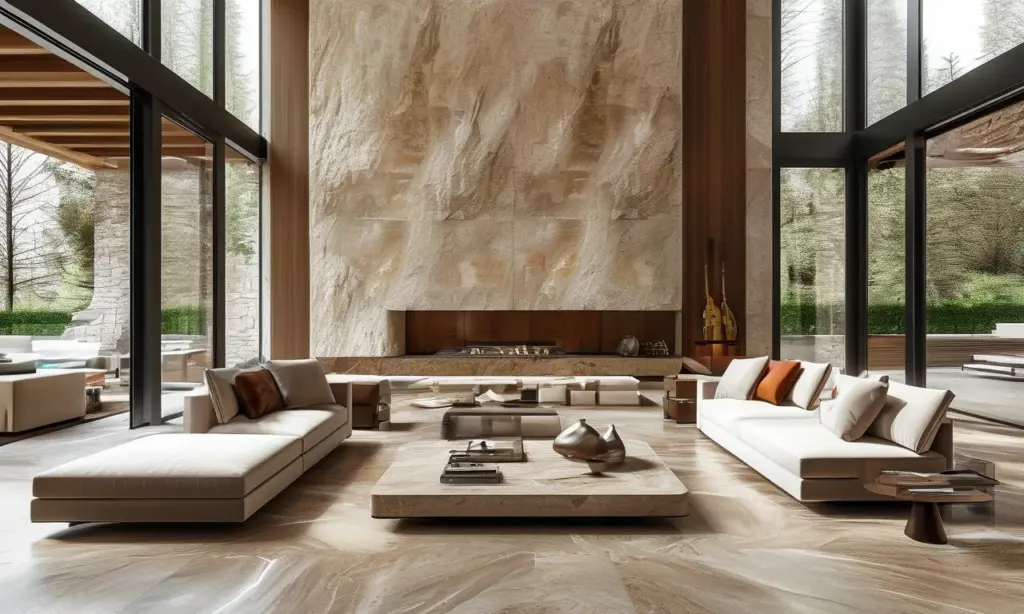
Tile is the most installed hard surface in global construction—floors, walls, wet rooms, facades and patios all rely on it. But “tile” is not one product: the gap between a porcelain and a ceramic tile decides whether a floor lasts two years or twenty. This tile buying guide gives importers, contractors and developers the comparison and ratings they need to specify tiles for 2026 projects without costly failures.
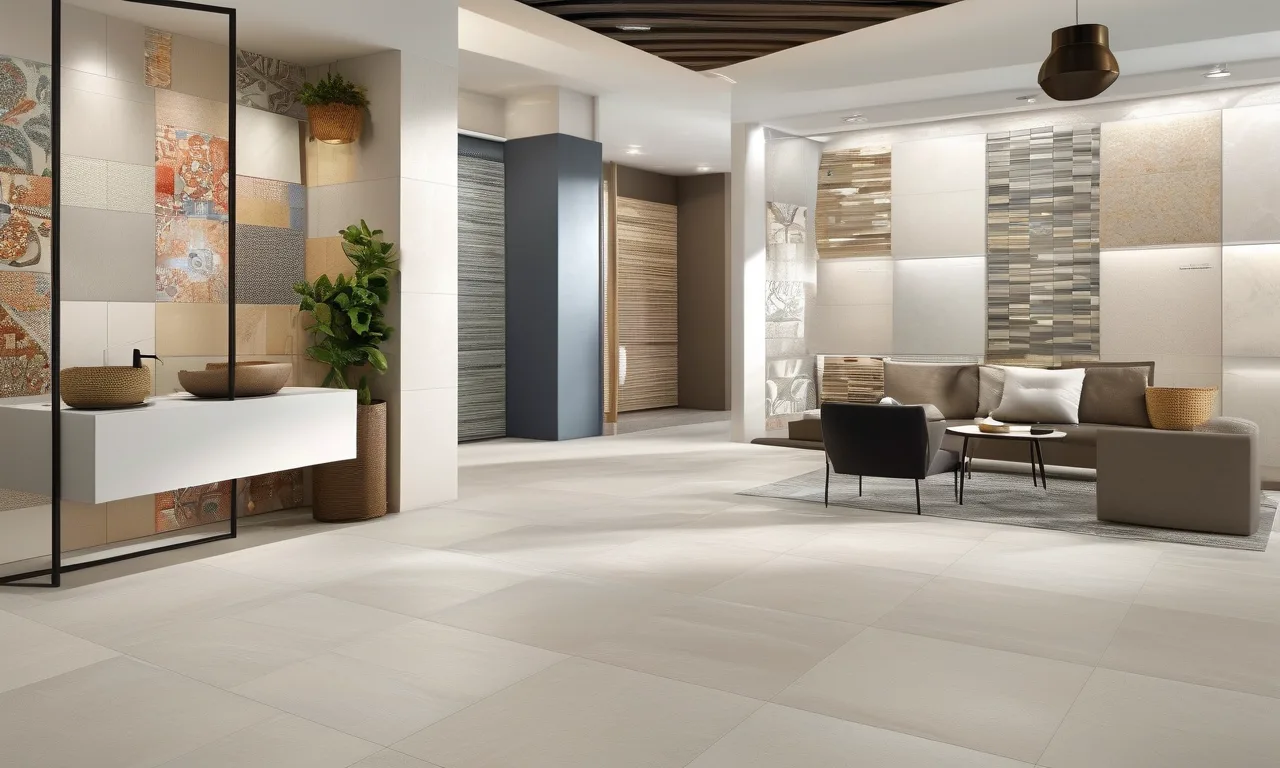
Porcelain vs Ceramic Tile
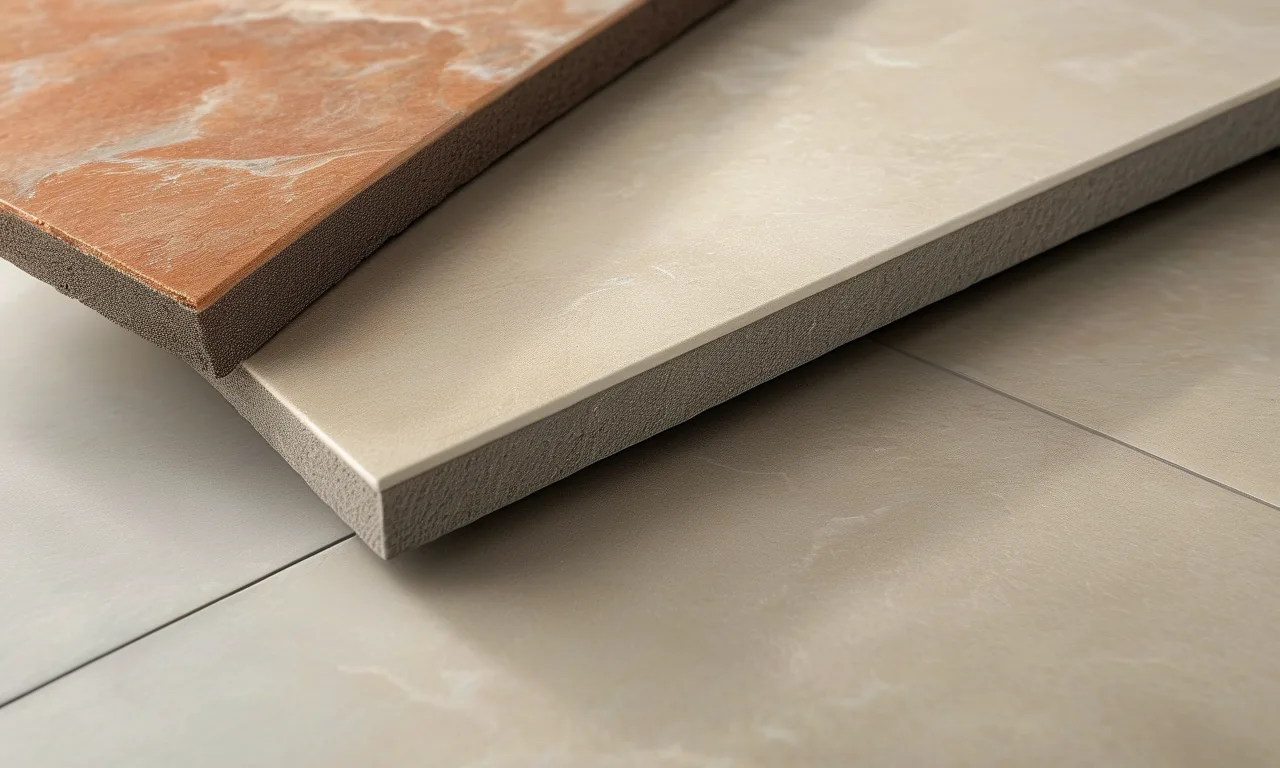
Both start as clay fired in a kiln, but they differ in density, water absorption and where they belong:
| Property | Porcelain | Ceramic |
|---|---|---|
| Clay & firing | Finer, denser clay, fired hotter (1200°C+) | Standard clay, lower firing temp |
| Water absorption | < 0.5% (ISO Group I) | 3–10%+ (Groups III–V) |
| Density / strength | Very high; chip-resistant | Lower; easier to cut |
| Best for | Floors, wet areas, outdoors | Walls, light-traffic interiors |
| Frost resistance | Excellent | Poor (absorbs water, cracks when frozen) |
| Cost | Higher | Lower |
Rule of thumb: use porcelain anywhere it gets walked on, wet or frozen; use ceramic on walls and dry, low-traffic spots where budget leads.
How Tiles Are Rated
Three ratings decide if a tile is fit for a job:
- PEI abrasion class (I–V) — wear resistance. PEI I is wall-only; II light residential (bathrooms); III all home floors; IV heavy residential and light commercial; V heavy commercial and high traffic.
- Water absorption (ISO 13006 groups) — porcelain is Group I at <0.5%; ceramic sits at 3–10%+. Lower absorption means better frost and stain resistance.
- Slip resistance — R-rating (R9 smooth indoor to R13 heavy wet/industrial) or DCOF for North America. Wet areas and ramps need R10–R13.
Glazed vs Unglazed, Finish & Look
Glazed tiles carry a protective surface in any color or pattern; unglazed (full-body) tiles show the same material through the body, so chips are invisible. Finishes range from polished and matte to textured anti-slip. Modern digital printing reproduces wood, stone and marble convincingly:
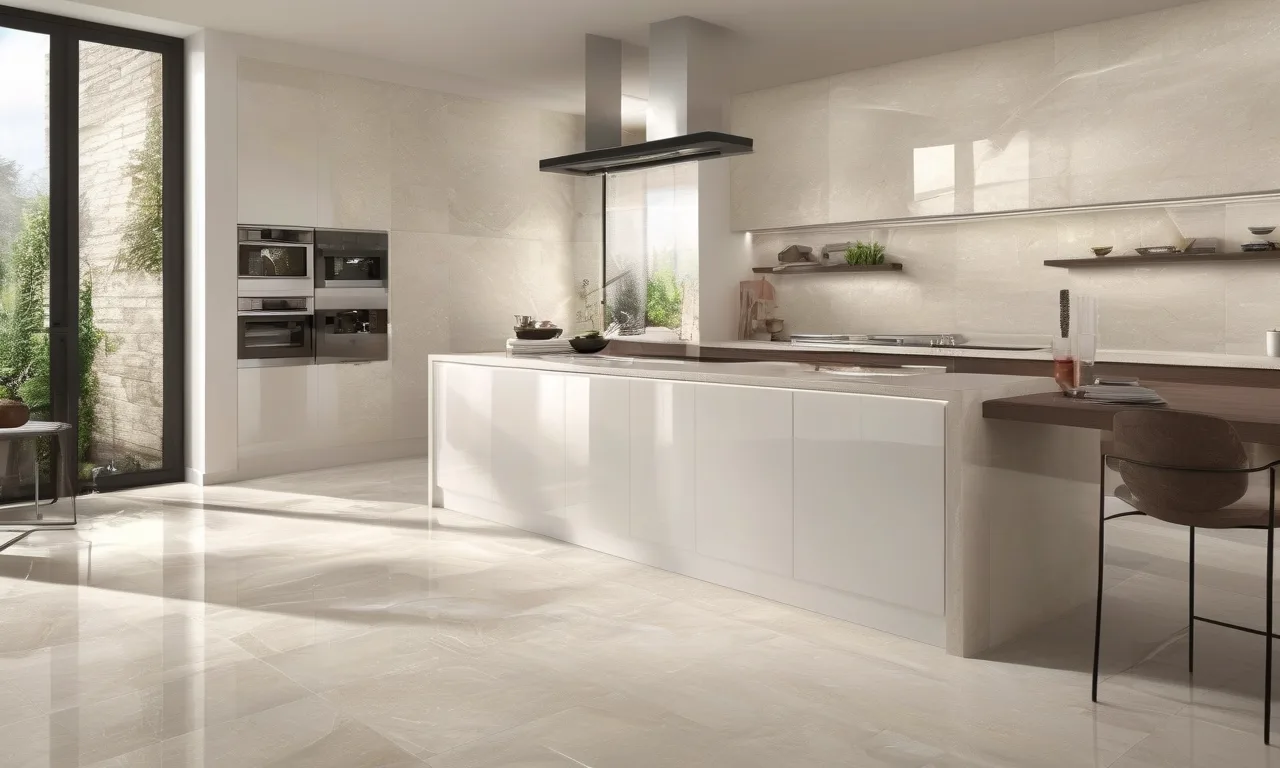
- Polished — reflective, elegant, best for dry interiors; can be slippery when wet.
- Matte / honed — low sheen, practical for living areas and light commercial.
- Textured / structured — grip for wet rooms, pool decks and outdoors.
- Wood-look & marble-look — porcelain that mimics timber or stone without the maintenance.
Tile by Application
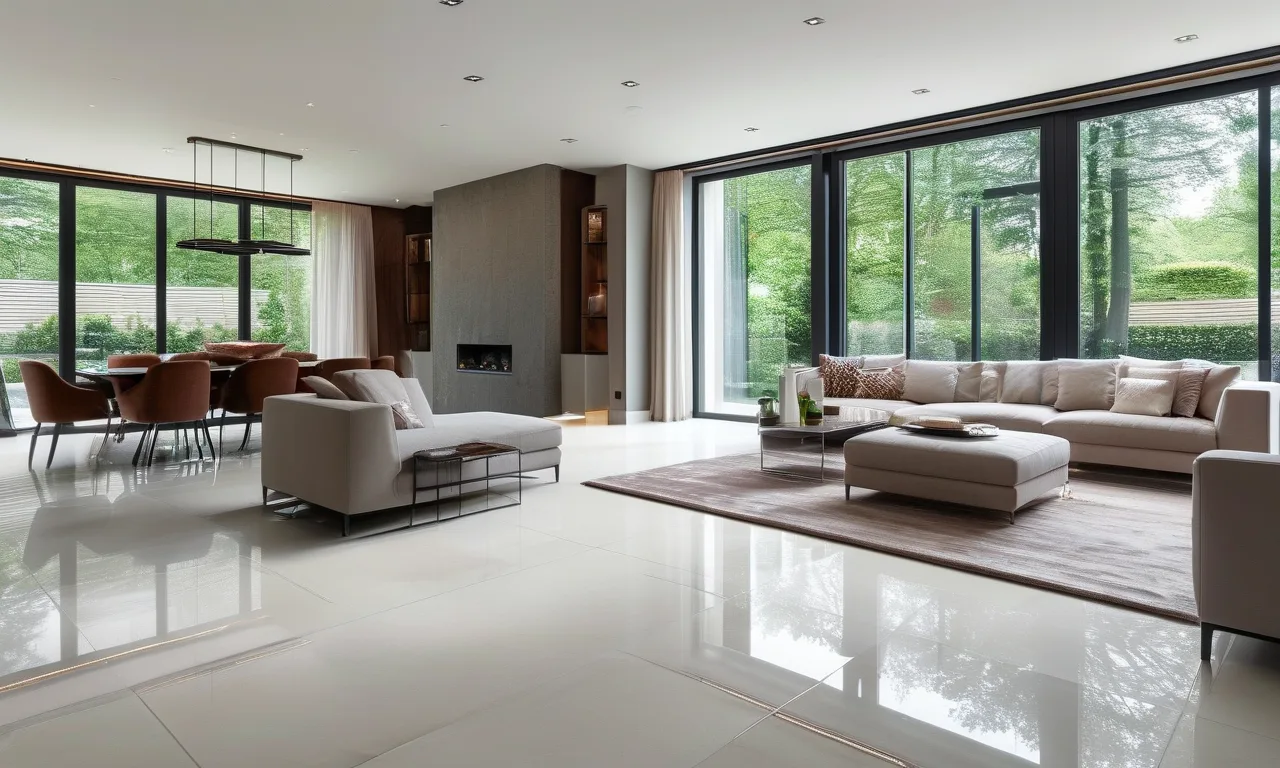
Floors
Specify porcelain with PEI III–V and low water absorption. Large-format (600×600 mm, 800×800 mm, 1200×600 mm and bigger) cuts grout lines and reads more premium.
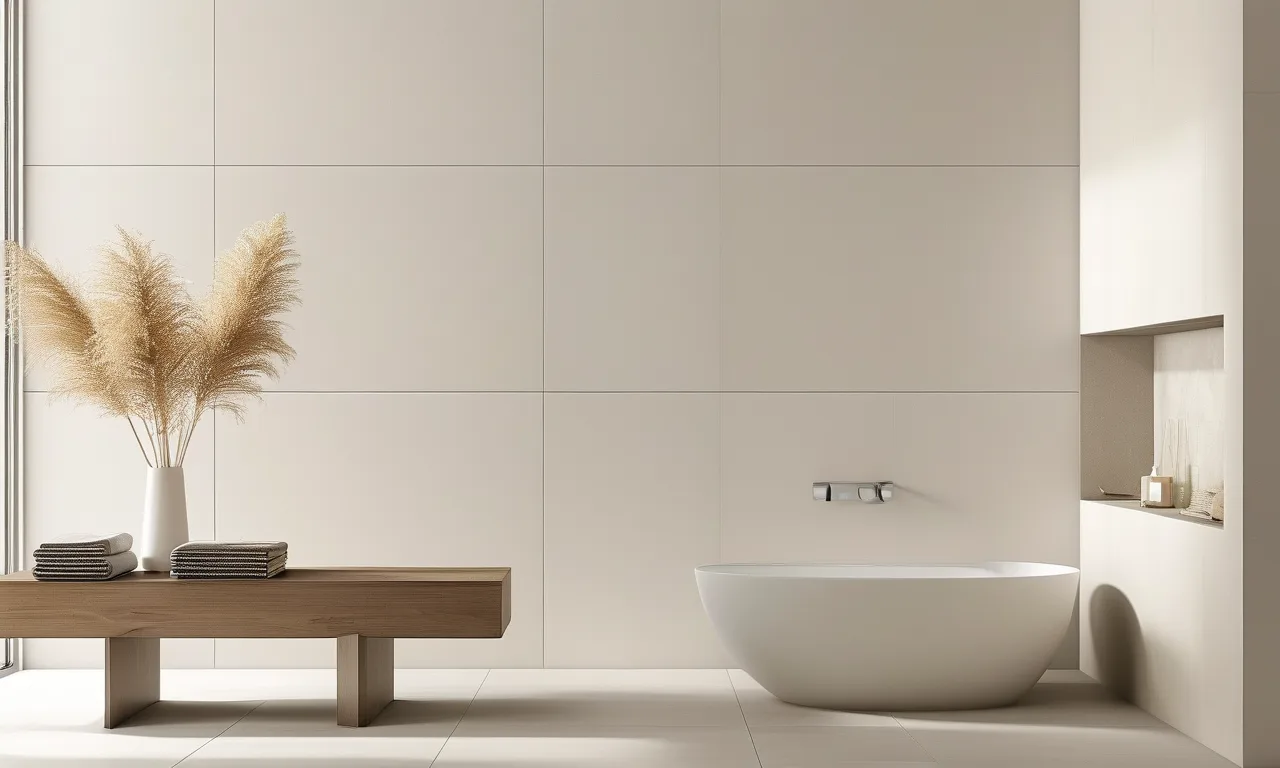
Walls
Ceramic or porcelain, PEI I–II is enough. Lighter weight and easier cutting keep installation fast in bathrooms and kitchens.
Wet Areas (bathroom, shower, pool)
Use porcelain with <0.5% absorption and an R10–R13 slip rating. Impervious bodies stop water ingress and staining behind the tile.
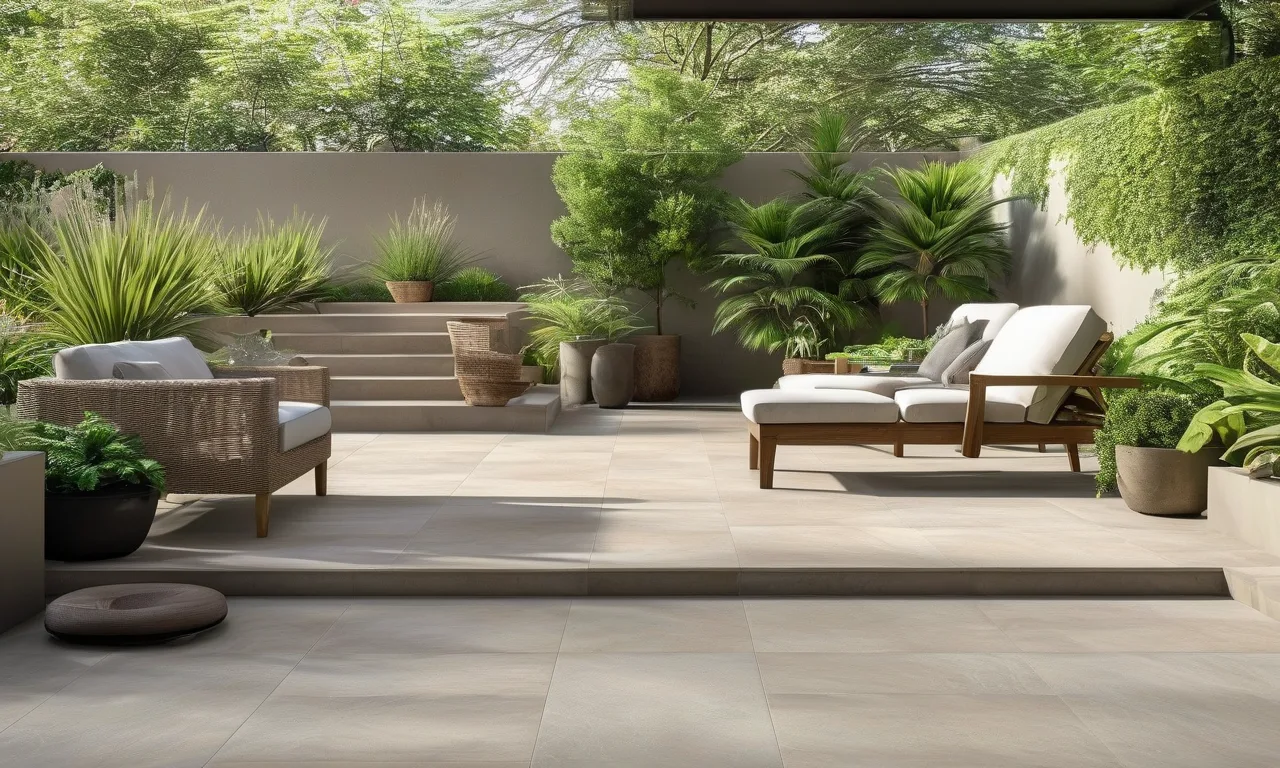
Outdoors & Facade
Only frost-proof porcelain with textured, anti-slip surface. High water absorption in ceramic means freeze–thaw cracking, so outdoor is a porcelain job.
| Area | Type | PEI | Water absorption | Slip |
|---|---|---|---|---|
| Indoor floor | Porcelain | III–V | <0.5% | R9–R10 |
| Wall | Ceramic / Porcelain | I–II | any | n/a |
| Shower / wet room | Porcelain | III–IV | <0.5% | R10–R13 |
| Outdoor / patio | Porcelain (frost-proof) | IV–V | <0.5% | R11–R13 |
Size, Thickness & Format
Standard floor tile is 8–10 mm thick; large-format and outdoor tiles run 9–20 mm. Bigger slabs mean fewer joints and a cleaner look but need a flat substrate and pro handling. Confirm rectified (precise, uniform) edges if you want hairline grout lines.
Specifying Tiles for B2B Orders
When ordering project quantities from a manufacturer, send more than a color: the material (porcelain/ceramic), size and thickness, finish, PEI and water-absorption class, slip rating, quantity per caliber, and export packing. As a Foshan-based tile manufacturer, FenSo Building produces ceramic and porcelain tiles—floor, wall, mosaic, wood-look and stone-look—with matched batches, sample sign-off and seaworthy carton packing for container-scale orders.
Frequently Asked Questions
Is porcelain better than ceramic tile?
For floors, wet areas and outdoors, yes—porcelain is denser, near-impervious and frost-proof. Ceramic wins on wall applications and price.
What PEI rating do I need for a home floor?
PEI III covers all normal residential floors; busy homes and light commercial want PEI IV.
Can ceramic tile be used outside?
Generally no—its higher water absorption leads to freeze–thaw cracking. Use frost-proof porcelain outdoors.
What does water absorption under 0.5% mean?
It is the ISO definition of porcelain (Group I): the tile barely takes in water, so it resists stains, frost and bacteria behind the surface.
Should I use polished tile in a bathroom?
Polished looks great on dry floors and walls, but choose a textured, higher slip-rated tile for shower floors and wet rooms.
Conclusion
A sound tile buying guide decision starts with porcelain vs ceramic, then PEI, water absorption and slip rating matched to the room. Specify to those numbers and the floor performs for decades. Review FenSo’s tile range, then send us your project specs.
Flooring & Marble Solutions · Flooring Buying Guide 2026 · LVP vs Laminate vs Engineered Wood · Quartz vs Sintered Stone · FenSo Building Manufacturer