
If you are weighing types of flooring for your house, one question comes up first: how long does LVP flooring last? Luxury vinyl plank has become the default for homes that want the look of wood or stone without the price, the water worries or the upkeep. This 2026 guide answers that, compares wood looking flooring and natural stone look vinyl flooring options, and helps you decide which flooring is best room by room.
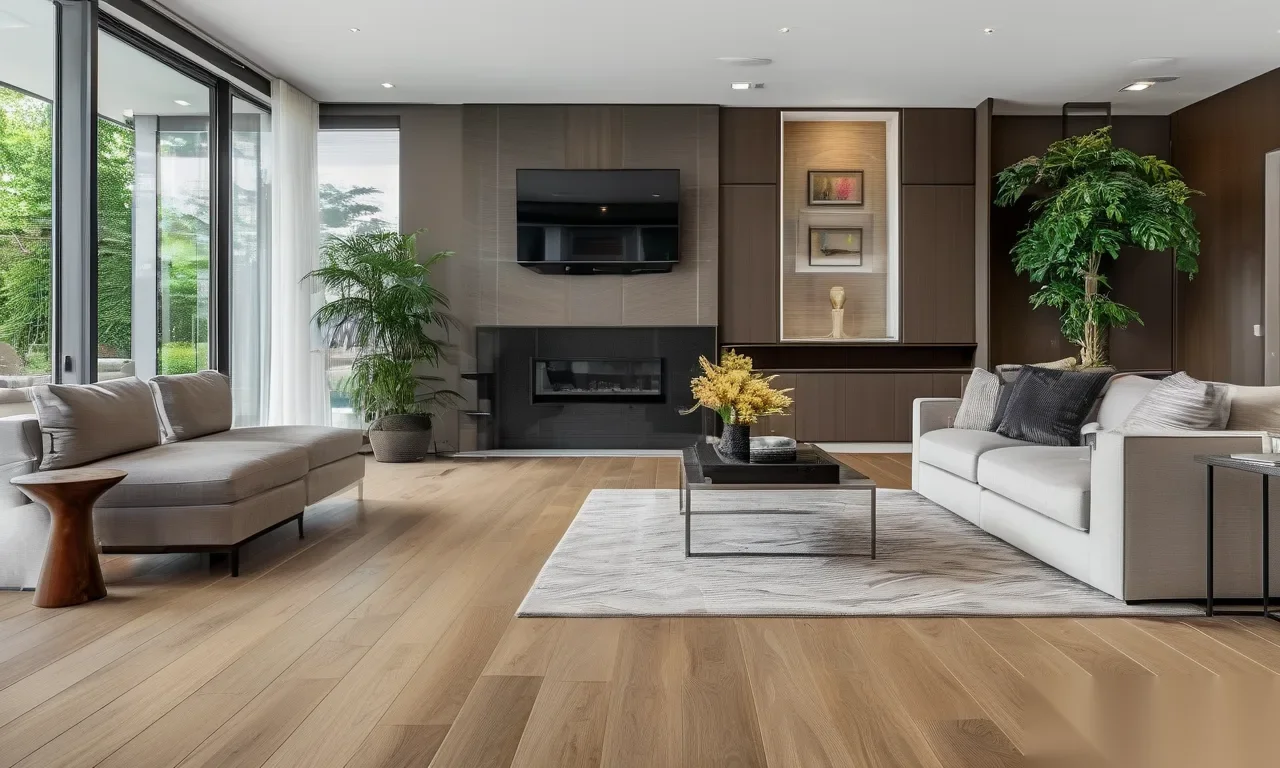
Types of flooring for a house
Most homes mix two or three floors. Here are the main types of flooring for house projects, with where each one shines:
- Hardwood (solid / engineered): warmth and resale value, best in living rooms and bedrooms.
- LVP (luxury vinyl plank): waterproof wood-look, ideal for kitchens, bathrooms, basements and rentals.
- Laminate: budget wood-look for dry, low-traffic rooms.
- Tile & natural stone: unbeatable in wet areas and entryways; cold and hard underfoot.
- SPC / WPC vinyl: rigid-core stone-look and wood-look planks, 100% waterproof.
| Flooring type | Waterproof | Typical lifespan | Best rooms |
|---|---|---|---|
| Solid hardwood | No | 30-100 yr (refinishable) | LR, BR |
| Engineered hardwood | Moderate | 20-30 yr | LR, BR, low-moisture areas |
| LVP / SPC vinyl | Yes | 15-25 yr | Kitchen, bath, basement, whole house |
| Laminate | No (resists surface) | 10-15 yr | Dry LR, BR |
| Tile / natural stone | Yes | 30-50+ yr | Bath, kitchen, entry |
How long does LVP flooring last?
The short answer to how long does LVP flooring last: about 15 to 25 years in a home, and 10 to 20 years in busier commercial spaces. Three things decide where your floor lands in that range:
- Wear-layer thickness: 6-12 mil suits residential use; 20+ mil is built for commercial and pet-heavy homes.
- Core quality: a dense SPC or WPC rigid core resists dents and stays flat over time better than a thin flexible LVP.
- Subfloor prep: a clean, level subfloor is the single biggest factor in avoiding premature failure at the seams.
Unlike laminate, LVP’s vinyl core will not swell when it gets wet, so a small flood rarely means a full replacement — just dry it and move on.
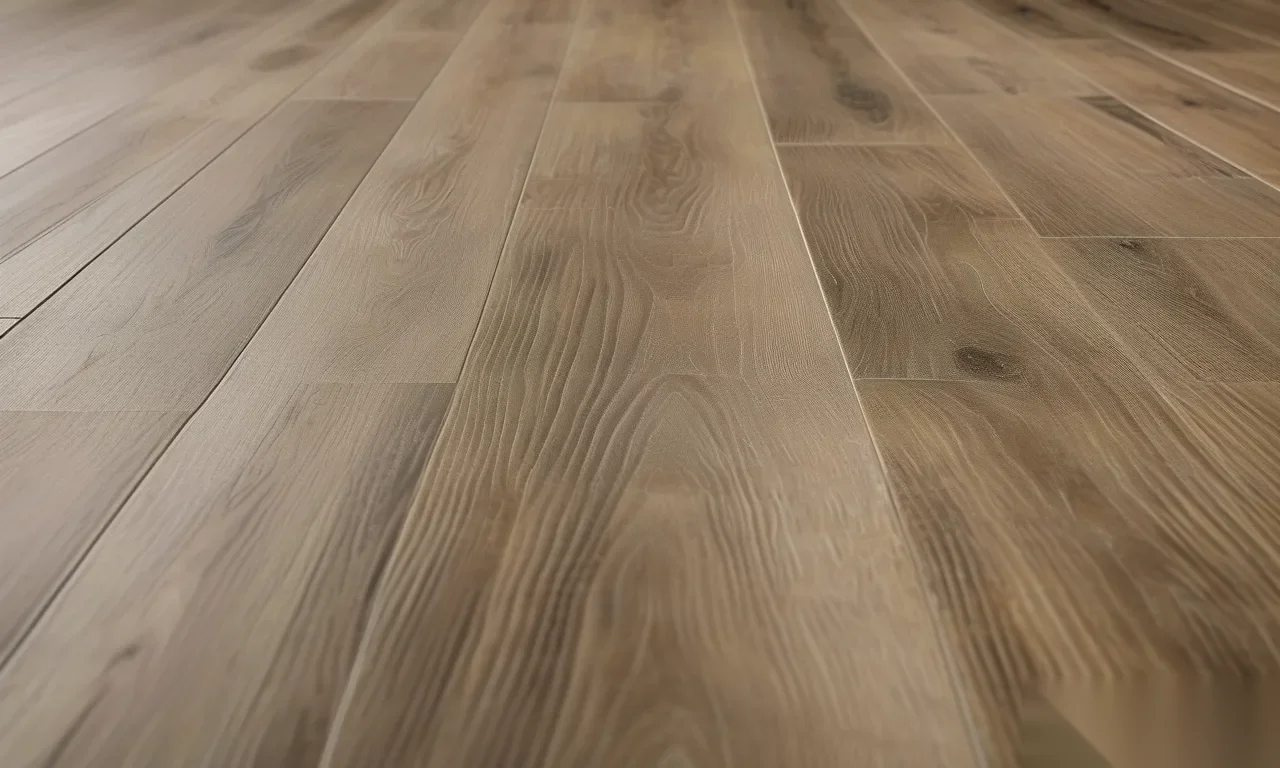
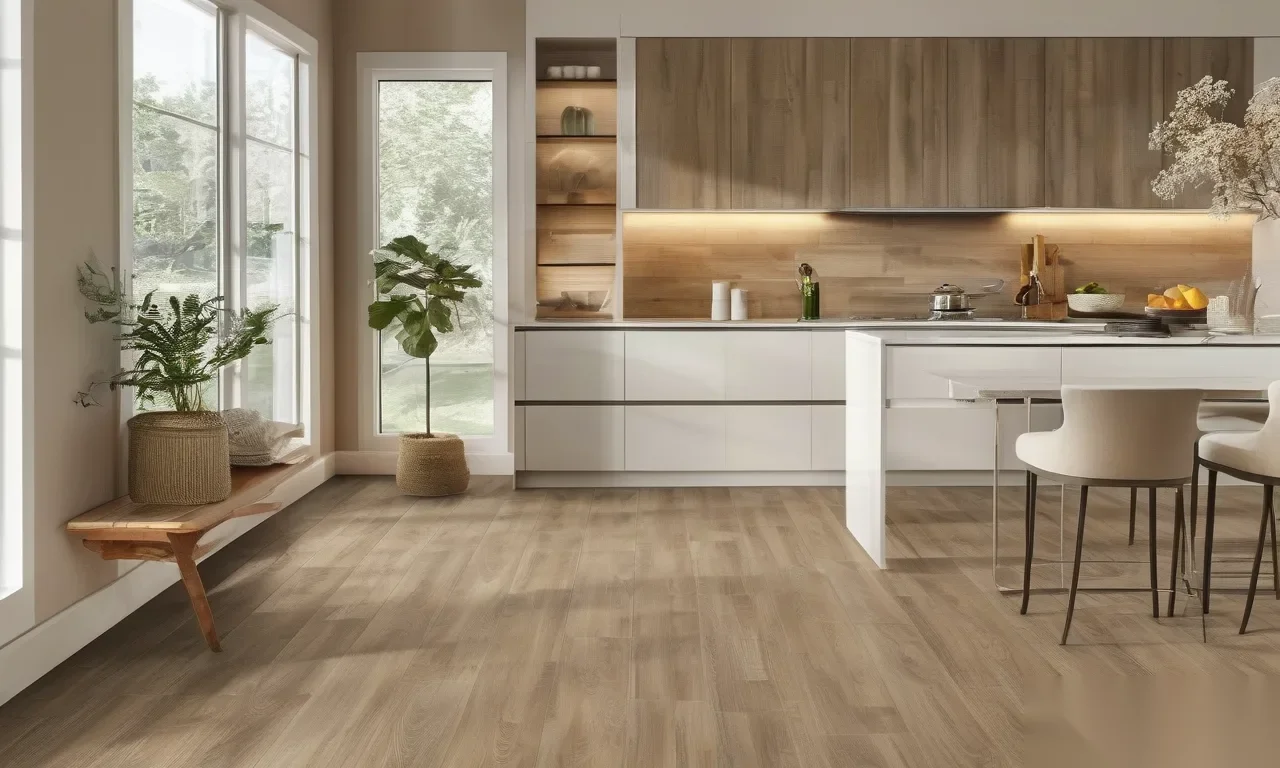
Wood looking flooring: your options
When people ask for wood looking flooring, they usually mean one of four products. All four mimic real grain, but they behave very differently:
- LVP — vinyl with a photographic wood layer; waterproof and the easiest to live with.
- Laminate — a printed melamine surface over fiberboard; sharp visuals, but vulnerable to water at the seams.
- Engineered hardwood — a real hardwood veneer over plywood; looks and feels like solid wood, more stable near moisture.
- Wood-look tile — porcelain printed with wood grain; totally waterproof and ultra-durable, but cold and hard.
For most houses, engineered or solid hardwood wins on feel in living spaces, while LVP wins on practicality everywhere else.
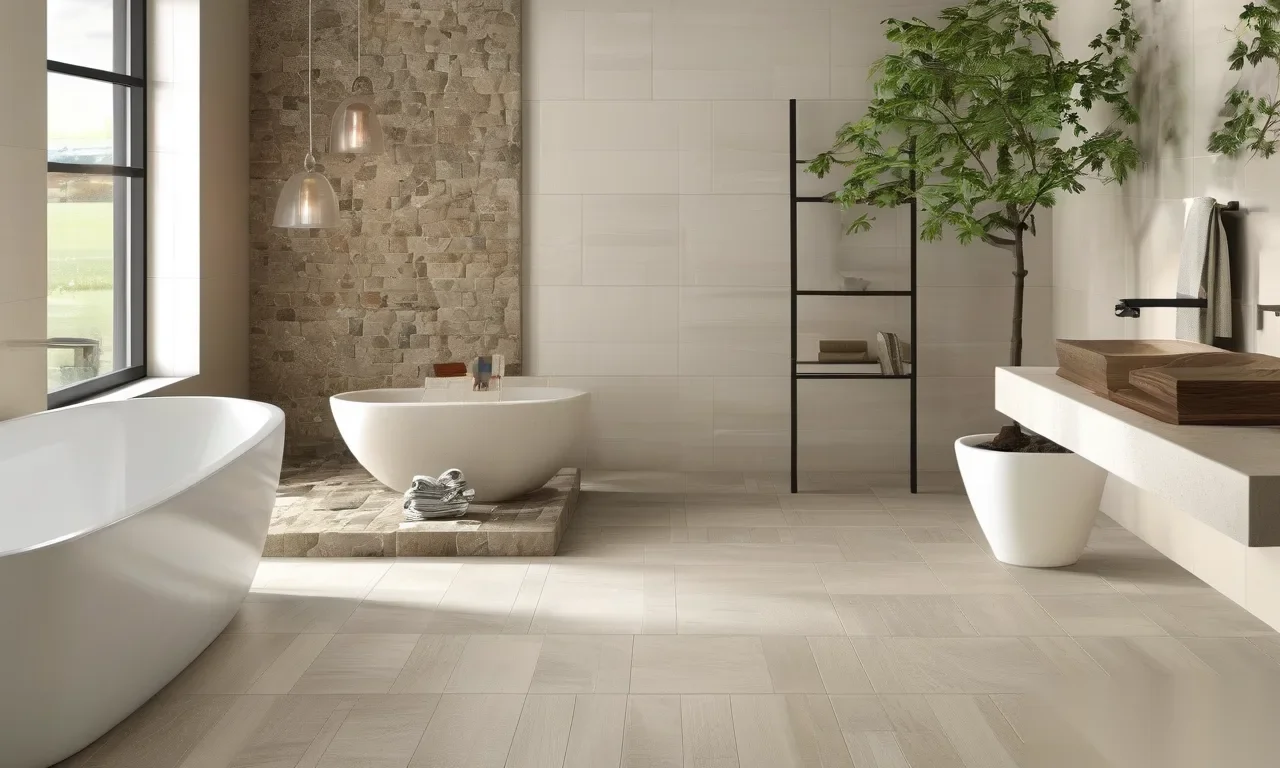
Natural stone look vinyl flooring
Not every stone-look floor needs real stone. Natural stone look vinyl flooring (SPC or WPC rigid-core vinyl) reproduces marble, travertine and slate patterns at a fraction of the cost and weight, and it stays waterproof and warmer underfoot. It is a strong pick for bathrooms and entryways where real stone would be cold and porous, and it pairs well with the natural stone buying guide if you want the real thing in feature areas.
Which flooring is best? (by room, budget and pets)
So, which flooring is best? It depends on the job:
- Kitchen / bathroom / basement: waterproof LVP or SPC vinyl — no swelling, no warping.
- Living room / bedroom: engineered or solid hardwood for value and warmth; LVP if you want zero maintenance.
- High-traffic & pet homes: thick-wear-layer LVP resists claws and spills far better than laminate or real wood.
- Tight budget: laminate for dry rooms; LVP where water is a risk — the small premium pays back in durability.
For a full cost and material breakdown, see the flooring buying guide, and for the LVP-vs-laminate-vs-engineered trade-off read the LVP comparison guide.
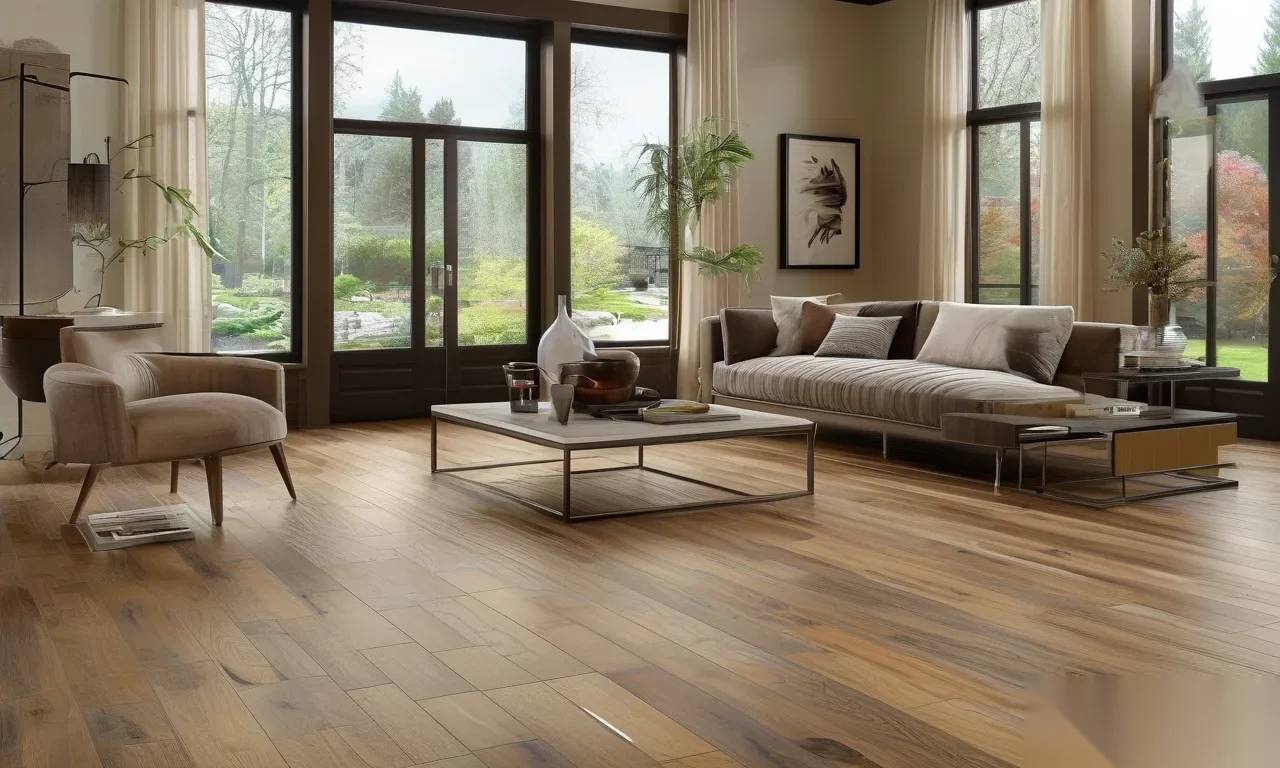
LVP vs the alternatives at a glance
| LVP / SPC | Laminate | Engineered wood | Tile / stone | |
|---|---|---|---|---|
| Waterproof | Yes | No | Moderate | Yes |
| Comfort underfoot | Warm | Hard | Warm | Cold |
| Install | Click, DIY-friendly | Click | Glue/nail | Mortar, pro |
| Cost (mid-range) | $ | $ | $$ | $$$ |
| Refinishable | No | No | Yes (1-2x) | No |
Frequently asked questions
Conclusion
To sum up: how long does LVP flooring last? Around 15-25 years with a good wear layer and a prepared subfloor — long enough to outlast most laminate and to rival real wood in everyday homes. When you compare types of flooring for house projects, wood looking flooring and natural stone look vinyl flooring give you the looks buyers love with the waterproof practicality they actually need. Choose LVP or SPC for wet and busy rooms, hardwood where you want resale warmth, and tile or stone for wet-feature areas. Source all of them from one Foshan partner to simplify logistics — learn more about FenSo’s building-materials supply chain or the Flooring & Marble Solution.
Related guides
- LVP vs Laminate vs Engineered Wood: Cost, Waterproof & Basement Guide
- Flooring Buying Guide 2026: Types, Materials & What B2B Buyers Should Specify
- Solid vs Engineered Hardwood Flooring 2026
- Warm vs Cool Hardwood Flooring 2026: Wood Floor Tone Guide
- Natural Stone Buying Guide 2026: Marble, Granite, Travertine & Limestone
 English
 German
 Chinese
 Arabic
 French
 Spanish
 Turkish
 Russian
 Italian